The Federal Government has challenged the recent position taken by the United States Congress regarding claims of widespread persecution of Christians in Nigeria.
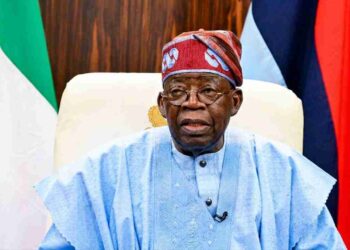
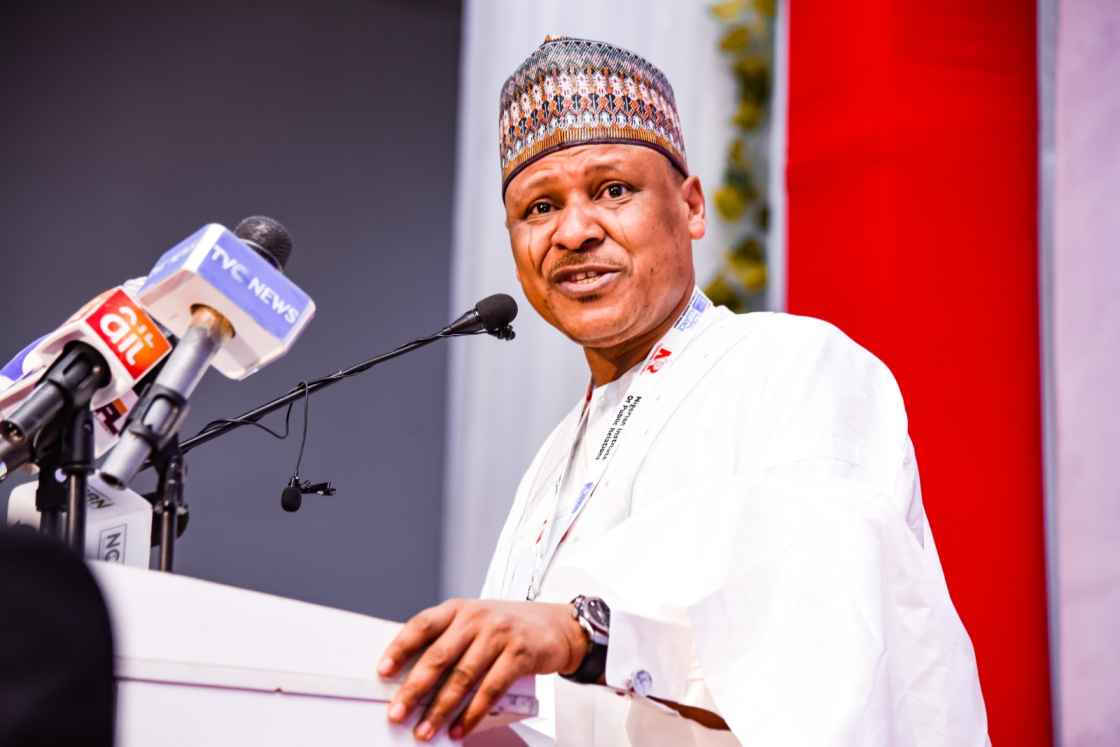
In a statement released on Tuesday, the Minister of Information and National Orientation, Mohammed Idris, dismissed suggestions that the Nigerian state supports or condones religious discrimination.
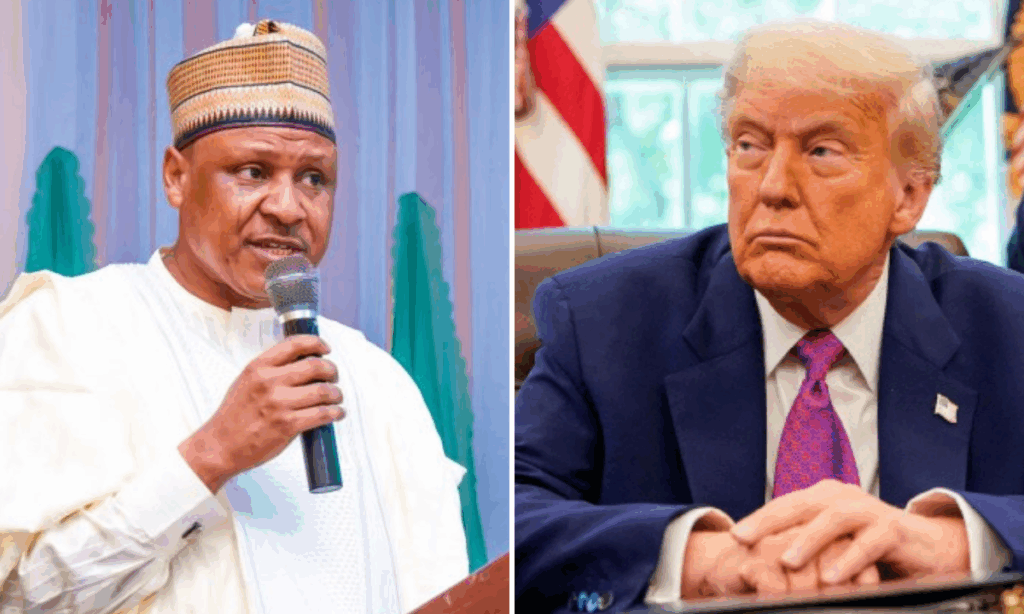
“It is important to state clearly that Nigeria does not have, and has never had, a state policy of religious persecution,” the minister said.
He further explained that the insecurity confronting the nation is not the result of religious bias or official policy but rather stems from a mix of terrorism, organised criminal activity, and protracted communal disputes in various regions of the country.
On Monday, the United States House Committee on Appropriations and the United States House Committee on Foreign Affairs formally presented a report to the White House outlining their assessment and recommendations concerning alleged anti-Christian violence in Nigeria.
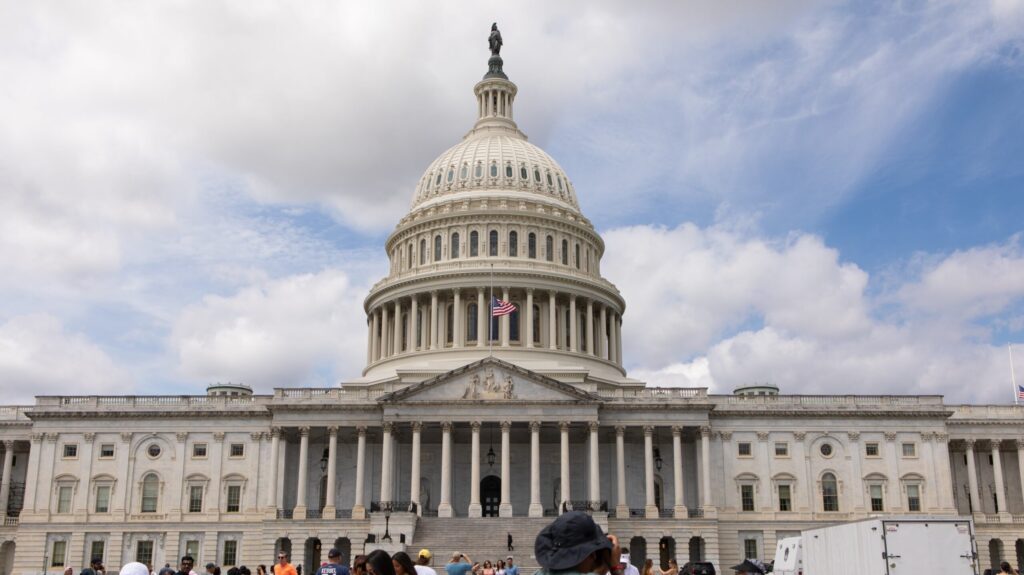
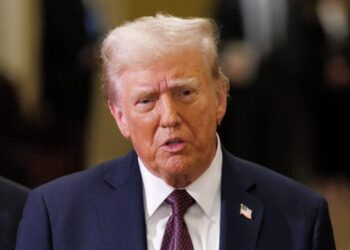
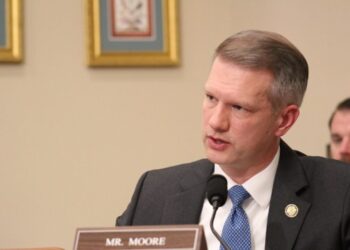
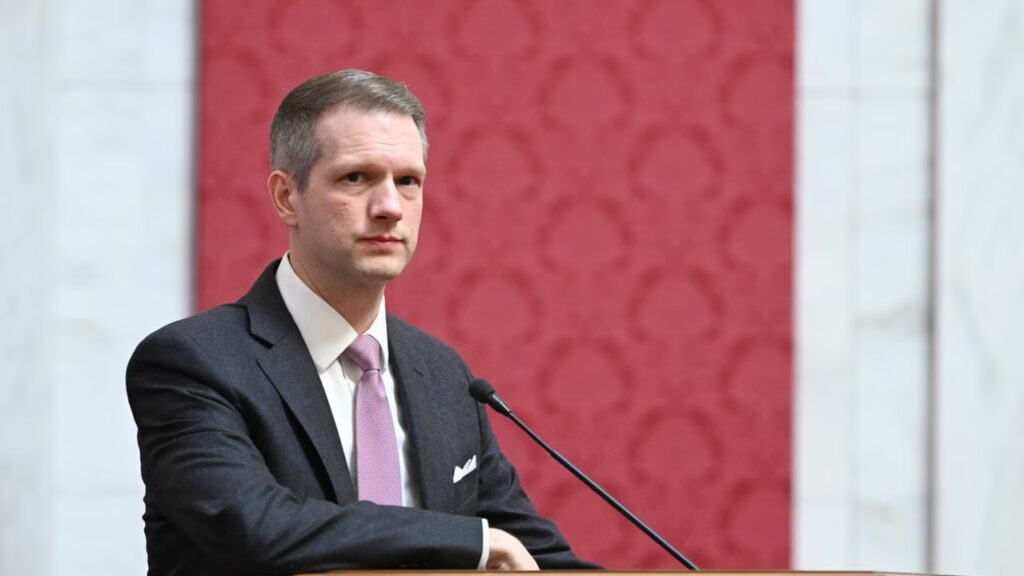
The development followed a decision by Donald Trump to redesignate Nigeria as a Country of Particular Concern. Subsequently, he tasked Congressman Riley Moore and the Chairman of the House Appropriations Committee, Tom Cole, with spearheading a detailed inquiry into reported attacks against Christian communities, as well as examining the broader security situation in the country.
Moore stated that the US delegation had gained what he described as a clearer grasp of the threats facing Nigeria and the claims of targeted violence against Christians. He also encouraged Nigerian authorities to use the moment to reinforce bilateral cooperation with the United States.
In response, the Federal Government reiterated that Nigeria’s Constitution guarantees freedom of religion and the right of every citizen to worship without interference.
“The Federal Government remains firmly committed to upholding these constitutional protections and to ensuring equal protection under the law,” the statement read.
Authorities also highlighted ongoing measures aimed at strengthening humanitarian assistance for internally displaced persons, supporting the safe return of affected populations, and advancing grassroots peacebuilding efforts designed to encourage long-term coexistence among diverse communities.
What You Should Know
The exchange underscores rising diplomatic friction between Nigeria and the United States over how the country’s security crisis is interpreted internationally.
While some American lawmakers view recurring attacks in certain regions as religiously motivated persecution of Christians, Nigerian officials argue the violence is more complex and affects multiple faith groups.
Armed insurgency, banditry, and communal conflicts have destabilised several parts of the country for years, resulting in casualties and displacement.
The Country of Particular Concern designation could influence future US foreign policy decisions, including sanctions or increased scrutiny, potentially shaping bilateral relations and security cooperation.