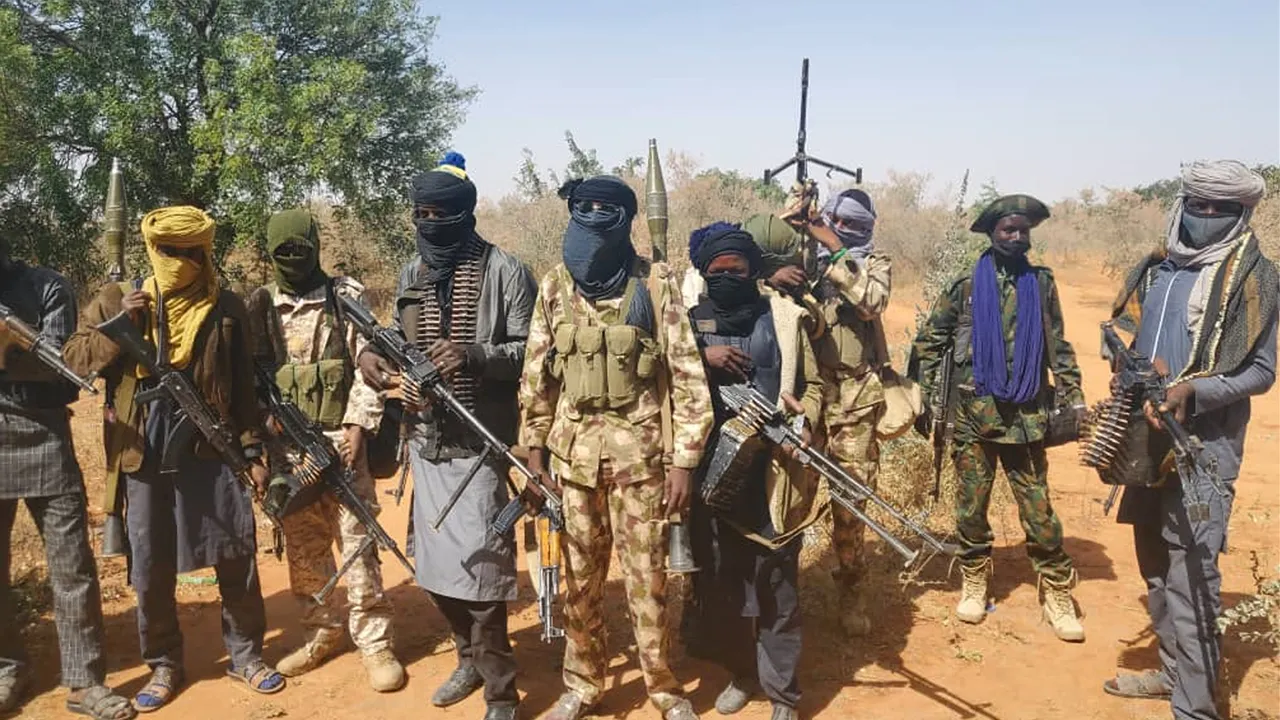
The Federal Government has formally designated kidnappers and violent armed groups operating across Nigeria as terrorists, marking a significant hardening of the country’s approach to insecurity.
The announcement represents a decisive escalation in how authorities intend to respond to widespread abductions, attacks on farmers, and recurring violence affecting communities nationwide.

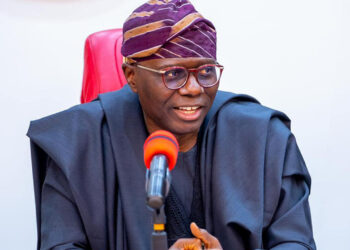
The Minister of Information and National Orientation, Mohammed Idris, made the disclosure on Monday during the Federal Government’s end-of-year press briefing held in Abuja.
According to Idris, the classification signals an end to the long-standing treatment of mass kidnappings and rural violence as ordinary criminal offences, stressing that perpetrators will now face full counterterrorism operations.
“Henceforth, any armed group or individual that kidnaps our children, attacks our farmers, and terrorises our communities is officially classified and will be dealt with as a terrorist,” the minister said.
He explained that the policy change puts an end to years of what he described as vague descriptions and labels previously applied to violent actors across the country.
“Now, the era of ambiguous nomenclature is over. If you terrorise our people, whether you are a group or you are an individual, you are a terrorist and will be classified as such. There is no name hiding under this again,” Idris added.
The minister noted that the new designation is expected to strengthen intelligence collaboration and improve coordination among security agencies, allowing faster and more forceful responses to threats.
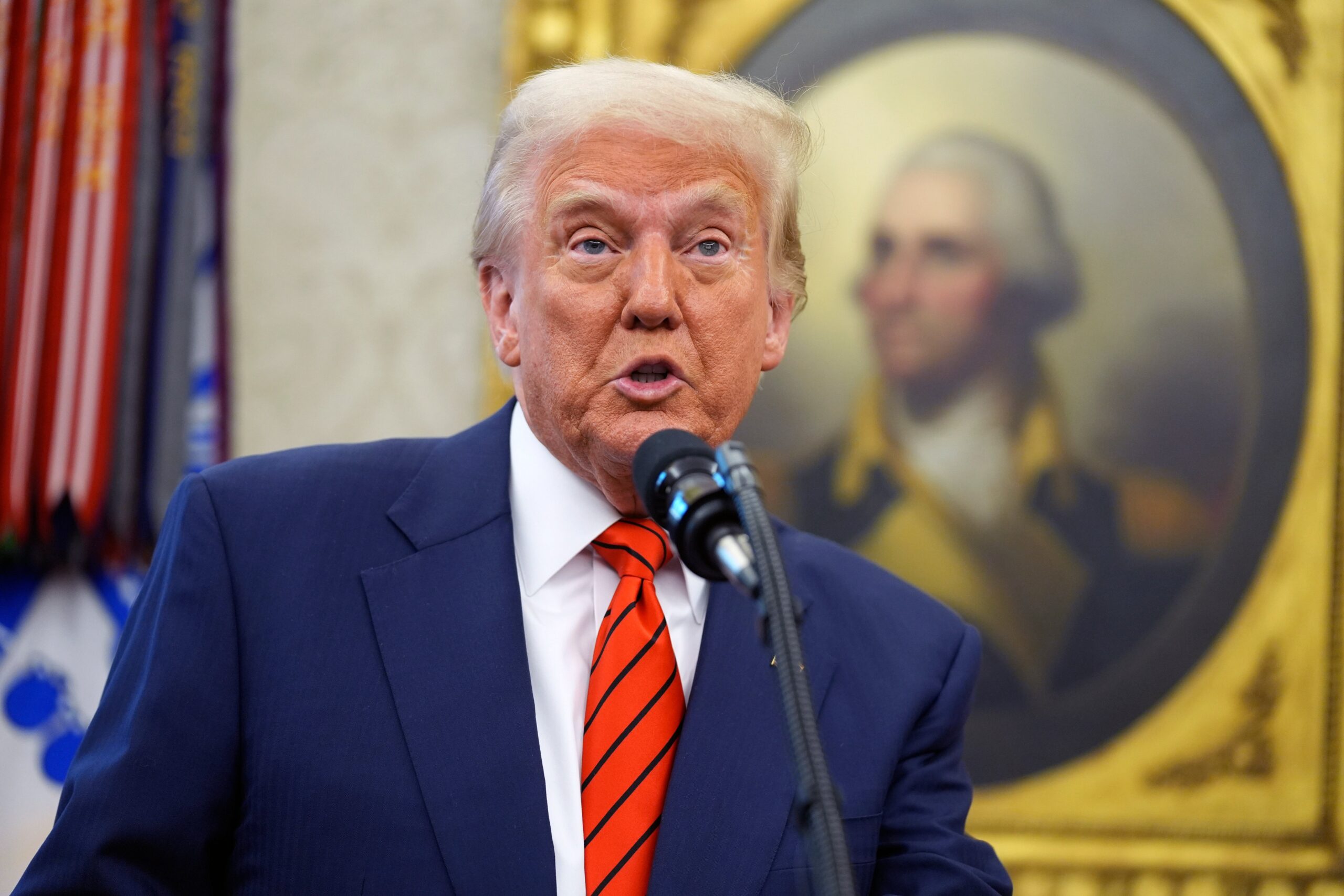
Beyond domestic security, Idris also addressed recent diplomatic frictions between Nigeria and the United States following comments by US President Donald Trump, who had suggested possible military action over alleged killings of Christians in Nigeria.
He said the issue had largely been settled through diplomatic channels.
“The recent diplomatic spat with the United States has been largely resolved through a firm, respectful engagement culminating in a strengthened partnership between America and Nigeria,” he stated.
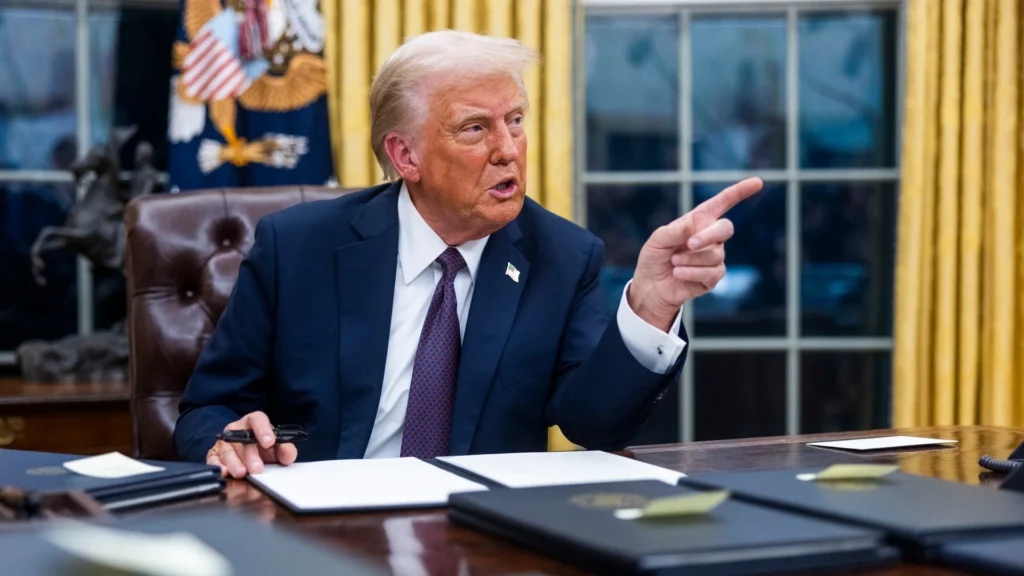
Trump had, in October and November, alleged that Nigerian Christians were facing an “existential threat” and described the situation as “genocide” in the context of Nigeria’s ongoing security challenges.
The remarks sparked varied reactions, with some observers welcoming global attention while others cautioned against worsening religious tensions. Nigeria, however, remains listed by Washington as a country of “particular concern” over claimed violations of religious freedom.
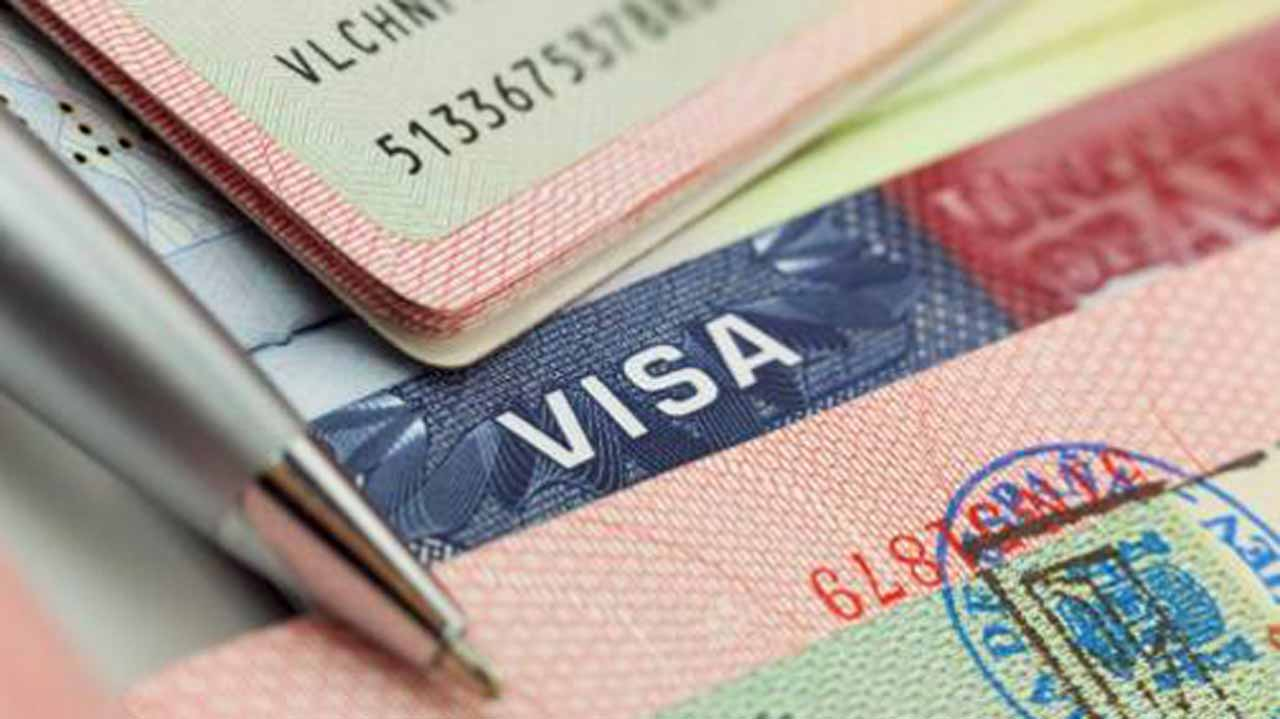
In addition, Nigeria was recently included among countries affected by new visa and immigration restrictions announced by the Trump administration.
What you should know
The Federal Government’s decision to classify kidnappers and armed groups as terrorists represents a fundamental shift in Nigeria’s security strategy.
By moving these crimes into the realm of terrorism, authorities are signaling tougher enforcement, broader intelligence operations, and more aggressive military-style responses. The policy aims to remove legal and operational ambiguities that previously limited security actions.
It also comes amid heightened international scrutiny of Nigeria’s security situation, particularly regarding religious violence claims and diplomatic relations with the United States, making the move both a domestic and global signal of intent.