The Federal Government has proposed an ambitious N1.33 billion investment in the construction, renovation, and equipping of computer-based test centers for the Joint Admissions and Matriculation Board ( JAMB ) across Nigeria, signaling a determined effort to overhaul the country’s university entrance examination infrastructure.
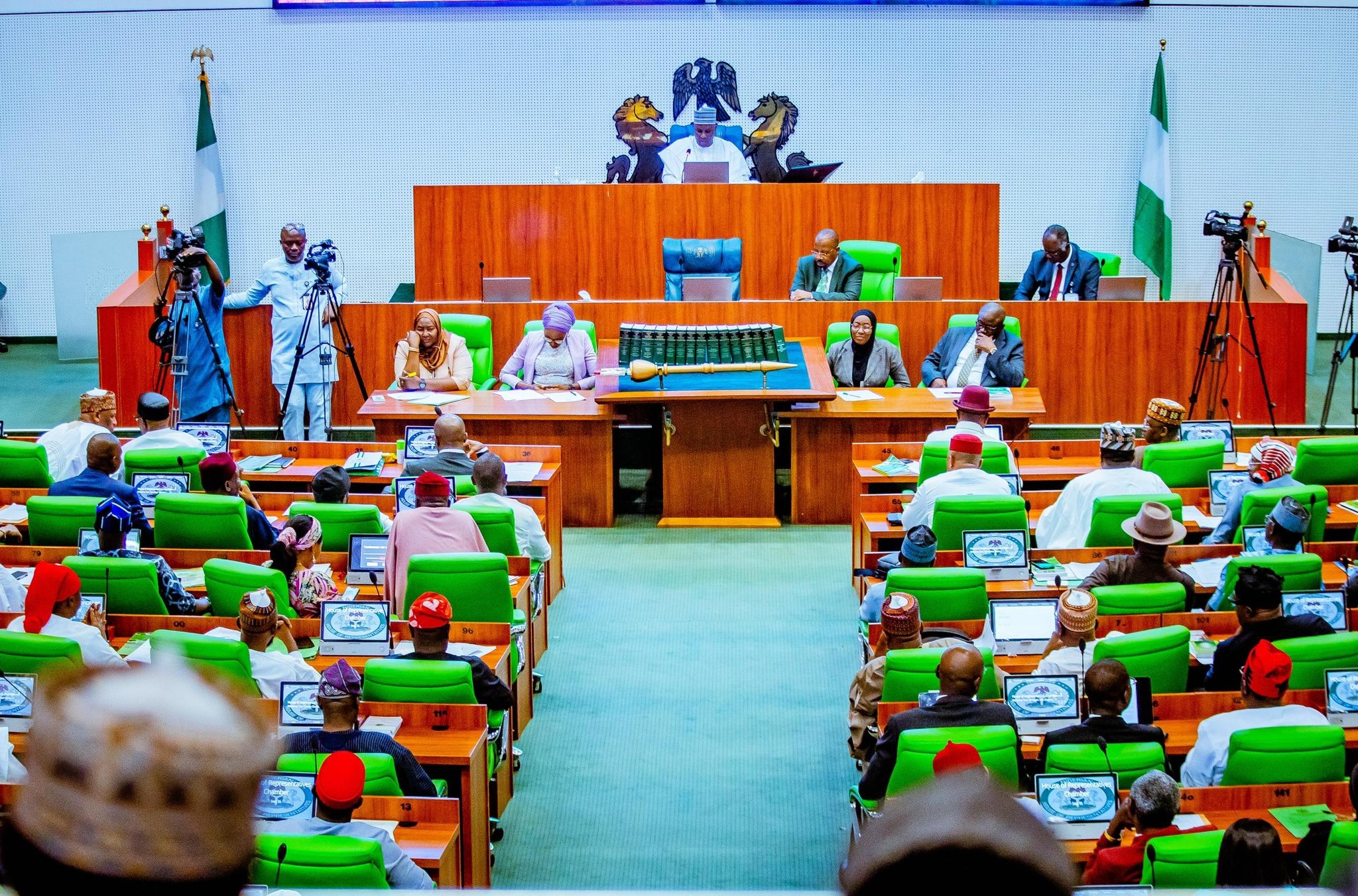
The allocation, embedded in the 2026 Appropriation Bill currently before the National Assembly, represents a significant federal commitment to addressing the systemic failures that plagued last year’s Unified Tertiary Matriculation Examination, which left approximately 380,000 candidates grappling with technical disruptions and logistical nightmares.
According to budget documents reviewed by this newspaper, the N1.33 billion appropriation is distributed across six ongoing capital projects spanning Rivers, Lagos, Abia, Ondo, and Gombe states, with the clear objective of expanding access to standardized examination facilities and reducing the burden on candidates who previously traveled long distances to write their exams.
The lion’s share of the funding—N420 million—has been designated under project code ERGP30236070 for the construction and equipping of a JAMB standard ICT center in Igbotako, Okitipupa Local Government Area, located in Ondo South Senatorial District. This facility is expected to serve candidates across the southern axis of Ondo State.
Lagos State, which hosts one of the largest populations of UTME candidates annually, will receive N336.7 million under project code ERGP29239674. These funds will cover the supply of computers and internet services for CBT centres at Eric Moore and the ICT centre at Epe Grammar School, addressing critical infrastructure gaps in Nigeria’s commercial capital.
In the oil-rich Rivers State, N280 million has been allocated under project code ERGP29243195 for the construction and furnishing of a CBT center in Emohua Local Government Area, a development likely to ease the examination burden on candidates in the state’s hinterlands.
Meanwhile, Gombe State in the Northeast will benefit from a N175 million allocation under project code ERGP29244411 for the construction and equipping of an ICT and JAMB centre in Balanga Local Government Area, extending standardized testing infrastructure to underserved regions.
The budget also sets aside N87.15 million under project code ERGP23225152 specifically for the renovation and upgrading of ICT infrastructure dedicated to JAMB registration, a move designed to improve system reliability during the often chaotic registration and examination periods.
Abia State rounds out the list with a N28 million allocation under project code ERGP1246643 for the construction and furnishing of the Oloko JAMB CBT center in Ikwuano Local Government Area, Abia Central District.
The proposed expenditure comes against the backdrop of widespread discontent following the 2025 UTME cycle, which was characterized by technical glitches, result irregularities affecting hundreds of centers, and logistical challenges that forced many candidates to travel far from their communities to access functional test centers.
While JAMB maintained that candidates were generally permitted to select their preferred examination towns nationwide, the reality on the ground told a different story. The limited number of accredited CBT centers meant that many students—particularly those from rural and semi-urban areas—had to undertake long, expensive journeys to sit for the examination, adding financial and psychological strain to an already stressful process.
The technical failures during the 2025 cycle disrupted the examination experience for roughly 380,000 candidates, with errors affecting result computation and raising questions about the integrity of the entire testing process.
In response to the crisis, JAMB embarked on a comprehensive accreditation exercise late last year, evaluating 848 CBT centres nationwide in preparation for the 2026 UTME. The exercise was part of a broader strategy to strengthen technical readiness and ensure standardization across all examination venues.
As part of its cleanup operation, the Board delisted several CBT centers that failed to meet minimum technical standards and recommended sanctions against centers implicated in examination infractions, underscoring its commitment to restoring credibility to the UTME process.
The proposed federal investment in new and upgraded facilities appears to be the government’s complementary response—a recognition that infrastructure deficits, not just regulatory enforcement, lie at the heart of the examination system’s challenges.
Education stakeholders have cautiously welcomed the proposed allocation, viewing it as a long-overdue intervention in Nigeria’s tertiary education gateway. However, observers note that effective implementation will be crucial, given the federal government’s historical challenges with capital project execution.
If successfully implemented, the projects could significantly reduce the geographical barriers that have historically disadvantaged candidates from less-developed states and local government areas, while also alleviating the pressure on existing centres in urban areas.
The 2026 UTME, scheduled for later this year, will serve as the ultimate test of whether these investments—combined with JAMB’s regulatory reforms—can deliver a seamless, credible examination experience for the millions of Nigerian youths seeking admission into tertiary institutions.
As the Appropriation Bill progresses through legislative scrutiny, all eyes will be on how quickly these funds can be released and deployed to ensure that the infrastructure is ready before the next examination cycle begins.
WHAT YOU SHOULD KNOW
The Federal Government’s N1.33 billion investment in JAMB test centers across six states represents a direct response to the 2025 UTME crisis that disrupted exams for 380,000 candidates.
Nigeria is finally addressing the critical infrastructure gaps—limited CBT centers and poor technical systems—that have forced students to travel long distances and endure examination failures.
With Ondo State receiving the largest allocation (N420 million) and JAMB already accrediting 848 centers nationwide, the success of the 2026 UTME will determine whether this government intervention can restore credibility to Nigeria’s university entrance examination system. The real test isn’t the budget allocation—it’s whether these projects will be completed on time and actually work when candidates need them most.