Biography and Early Life
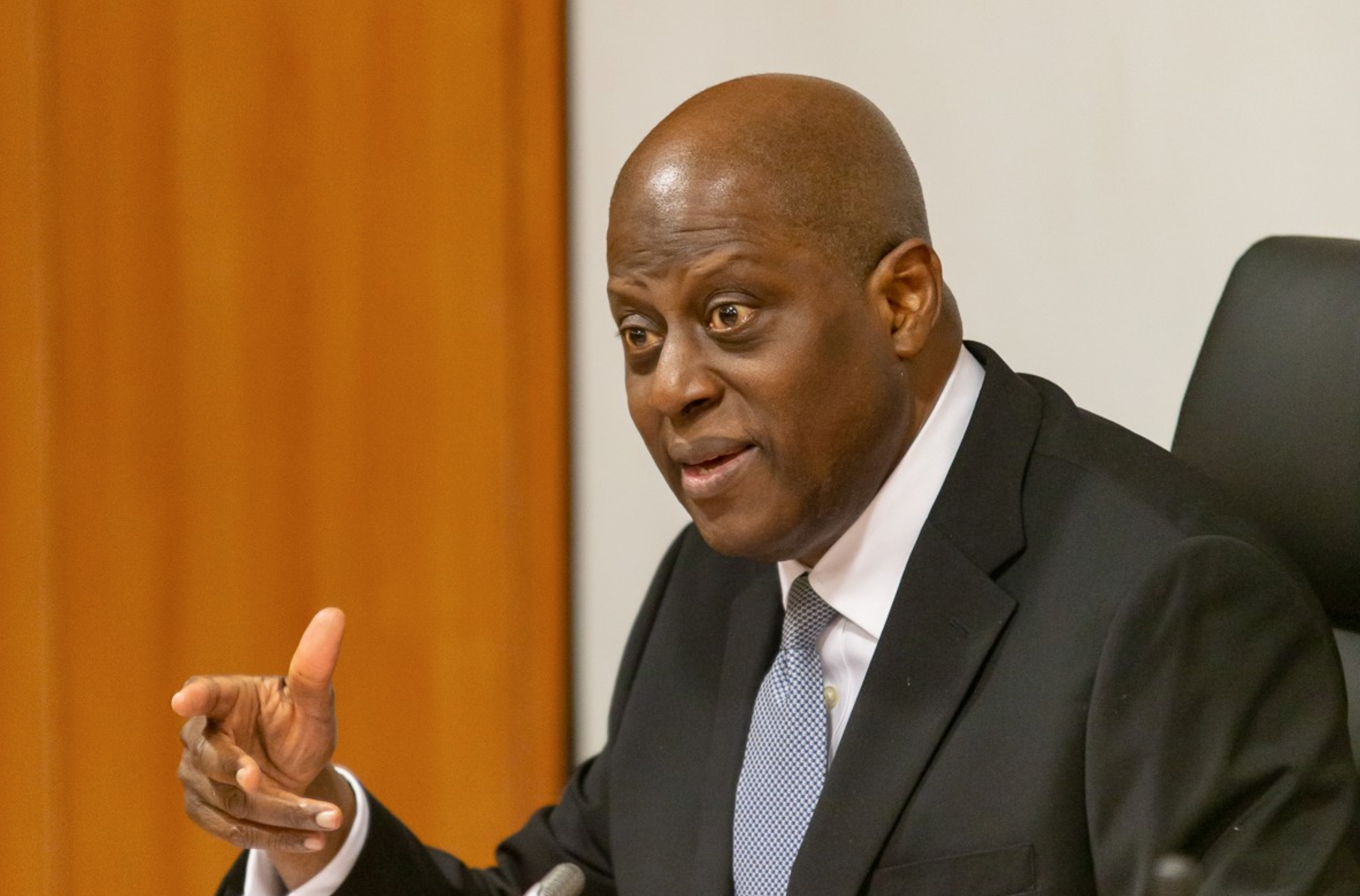
Femi Falana was born on May 20, 1958, in Kafanchan, Kaduna State, Nigeria. He grew up during a tumultuous period in Nigerian history, marked by military coups, civil war, and the struggle for democratic governance. His formative years in Northern Nigeria exposed him to the country’s ethnic and religious diversity, while also witnessing firsthand the injustices perpetrated by authoritarian regimes.
From his youth, Falana displayed a strong sense of justice and an unwillingness to accept oppression. These qualities, combined with intellectual brilliance, would define his life’s trajectory as one of Nigeria’s most celebrated human rights lawyers and activists.
Educational Background
Falana’s educational journey laid the foundation for his distinguished legal career:
University of Ife (now Obafemi Awolowo University): He earned his Bachelor of Laws (LL.B) degree from this prestigious institution, known for producing many of Nigeria’s legal luminaries and progressive intellectuals.
Nigerian Law School: After completing his law degree, Falana attended the Nigerian Law School in Lagos and was called to the Nigerian Bar, qualifying to practice law in Nigeria.
Continuous Legal Education: Throughout his career, Falana has pursued continuous professional development through various legal seminars, conferences, and programs both in Nigeria and internationally.
His legal education was complemented by self-education in radical political thought, human rights law, and progressive movements, shaping his approach to legal practice as a tool for social justice rather than merely a commercial enterprise.
Early Career and Student Activism
Student Union Leadership
Even before becoming a lawyer, Falana was deeply involved in student activism:
University Student Leader: He was active in student union politics, fighting against military dictatorship and advocating for students’ rights and democratic governance.
National Association of Nigerian Students (NANS): Falana was prominent in NANS during the militant student movement of the 1970s and early 1980s, when students were at the forefront of resistance against military rule.
Socialist Orientation: His student activism was influenced by socialist and Marxist thought, emphasizing class struggle, workers’ rights, and radical transformation of Nigerian society.
Entry into Legal Practice
Falana began legal practice in the early 1980s, a period when Nigeria was under military dictatorship and basic freedoms were severely curtailed. Rather than pursuing lucrative corporate law, he chose to focus on human rights litigation, defending activists, journalists, and ordinary citizens facing persecution from authoritarian regimes.
Human Rights Advocacy and Legal Career
Defender of the Oppressed
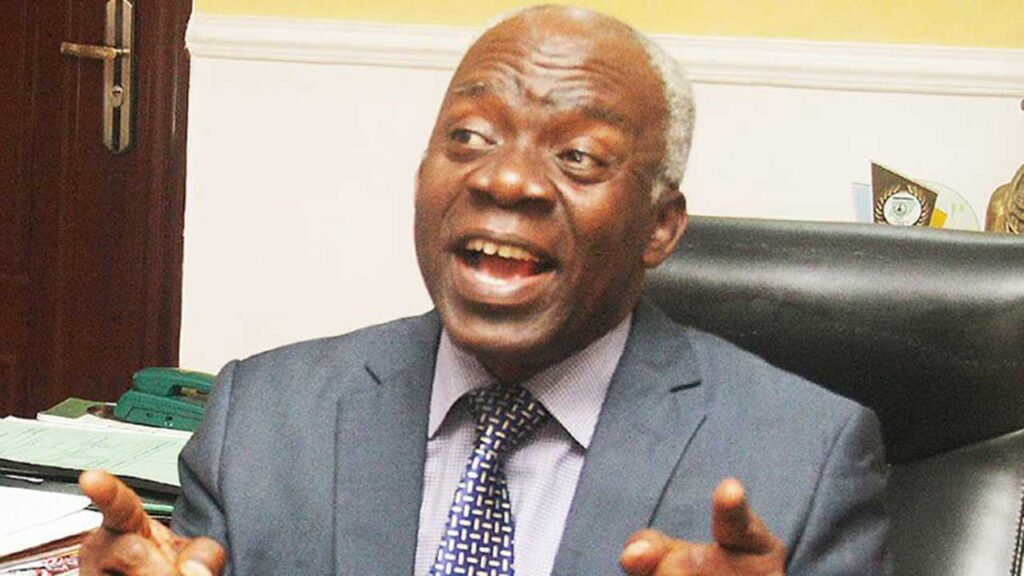
Femi Falana has built his entire legal career around defending human rights and representing marginalized individuals and groups:
Pro Bono Work: A significant portion of his practice involves pro bono (free) representation of those who cannot afford legal services, including protesters, detained activists, and victims of state brutality.
Political Prisoners: Throughout Nigeria’s military era and beyond, Falana has defended countless political prisoners, often at great personal risk.
Landmark Cases: He has litigated numerous landmark cases that have shaped Nigerian jurisprudence on human rights, freedom of expression, and constitutional law.
Strategic Litigation: Falana employs strategic litigation to challenge unjust laws and policies, using courts as arenas for social change.
Major Areas of Legal Practice
Freedom of Expression: Defending journalists, bloggers, activists, and media houses against censorship and persecution.
Labor Rights: Representing workers and labor unions in disputes with employers and the government.
Economic Rights: Litigating cases concerning citizens’ economic rights, including subsidy removal, tax issues, and government financial accountability.
Police Brutality: Fighting against extrajudicial killings, torture, and arbitrary detention by security forces.
Electoral Justice: Challenging electoral malpractices and defending electoral rights.
Anti-Corruption: Using legal mechanisms to fight corruption and demand accountability from public officials.
Environmental Rights: Representing communities affected by environmental degradation, particularly in the Niger Delta.
Resistance Against Military Dictatorship
Activism During Military Rule
Falana’s most dangerous and courageous work came during Nigeria’s military regimes, particularly under General Sani Abacha (1993-1998), one of Nigeria’s most brutal dictators.
Personal Persecution: Falana was detained multiple times without trial, tortured, and his life threatened because of his activism and legal work against the military regime.
Defense of Fellow Activists: Even while facing his own persecution, Falana defended other activists, pro-democracy campaigners, and journalists arrested by the regime.
Campaign for Democratic Rule: He was a key figure in pro-democracy movements demanding return to civilian governance and respect for human rights.
Survival of the Abacha Era: Many activists disappeared or were killed during the Abacha regime; Falana’s survival and continued resistance is remarkable and speaks to both his courage and resilience.
Post-Military Era Advocacy
After Nigeria’s return to democracy in 1999, Falana continued his advocacy, demonstrating that his fight was for justice itself, not merely against military rule:
Holding Civilian Governments Accountable: He has been equally critical of civilian governments that violate rights, showing his principles transcend partisan politics.
Institutional Reform: Advocating for reforms of police, judiciary, and other institutions to make them more accountable and respectful of rights.
Constitutional Advocacy: Pushing for constitutional amendments and interpretations that expand rights protections.
Senior Advocate of Nigeria (SAN)
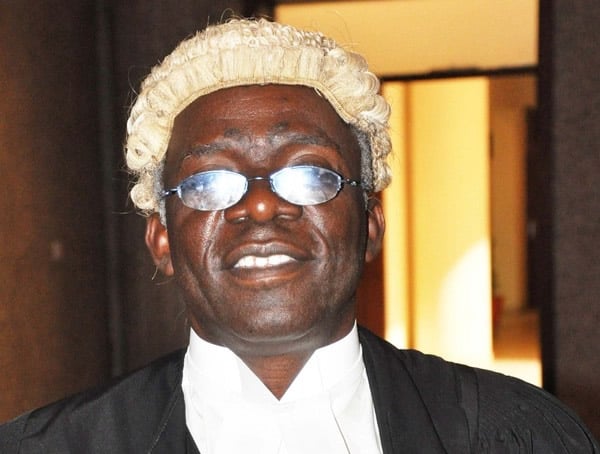
In recognition of his legal excellence and contributions to jurisprudence, Femi Falana was conferred with the prestigious rank of Senior Advocate of Nigeria (SAN) in 2007. This is the highest professional recognition for lawyers in Nigeria, equivalent to Queen’s Counsel in the United Kingdom.
This achievement was particularly significant as it represented recognition of human rights practice—often seen as less prestigious than commercial law—as deserving the highest legal honors. Falana became one of the first prominent human rights lawyers to receive this designation.
Major Campaigns and Movements
#BringBackOurGirls
Following the 2014 kidnapping of Chibok schoolgirls by Boko Haram, Falana provided legal support and strategic guidance to the #BringBackOurGirls movement, using legal mechanisms to pressure government action.
#EndSARS Movement (2020)
During the October 2020 protests against police brutality:
Legal Support: Falana and his chambers provided free legal representation to arrested protesters.
Strategic Advice: Offered legal guidance to protesters about their rights and how to navigate police confrontations.
Post-Massacre Advocacy: After the Lekki Tollgate shooting, Falana demanded judicial inquiry and accountability, representing victims’ families.
Judicial Panel: Served and provided expertise to judicial panels investigating police brutality across Nigeria.
Fuel Subsidy Protests (2012)
When the federal government removed fuel subsidies in January 2012, causing massive price increases, Falana was prominent in the “Occupy Nigeria” protests that forced partial government retreat.
Minimum Wage Advocacy
Consistently fought for the implementation of minimum wage laws and workers’ rights across Nigeria.
Anti-Corruption Advocacy
Used legal mechanisms to demand accountability for corruption, filing cases against public officials and challenging government financial opacity.
Political Philosophy and Ideology
Falana’s approach combines several ideological strands:
Socialist Orientation: Influenced by Marxist and socialist thought, emphasizing workers’ rights, wealth redistribution, and class struggle.
Human Rights Framework: Strong commitment to universal human rights as enshrined in international and domestic law.
Pan-Africanism: Believes in African unity and solidarity, frequently engaging with human rights issues across the continent.
Rule of Law: Despite criticizing many aspects of the Nigerian state, he maintains faith in law as an instrument for social change when combined with popular mobilization.
Anti-Imperialism: Critical of Western exploitation of Africa while also opposing African dictatorships—a nuanced position that avoids both blind anti-Westernism and comprador tendencies.
Media Presence and Public Intellectual Role
Beyond legal practice, Falana is a public intellectual and commentator:
Columns and Articles: Writes extensively for newspapers and online platforms on legal, political, and social issues.
Television and Radio: Regular guest on current affairs programs, providing legal analysis and social commentary.
Public Speaking: Sought-after speaker at conferences, universities, and public forums on human rights, law, and governance.
Social Media: Active on social media platforms, where he shares legal insights and mobilizes public opinion on justice issues.
Educational Content: Produces accessible content explaining legal rights and processes to ordinary Nigerians.
Major Legal Victories and Landmark Cases
Throughout his career, Falana has secured numerous significant legal victories:
Constitutional Interpretations: Won cases establishing important constitutional principles regarding rights protections.
Freedom of Information: Championed Freedom of Information (FOI) implementation and won cases enforcing citizens’ rights to government information.
Police Reform Cases: Secured judgments against police brutality and established compensation rights for victims.
Electoral Cases: Won important electoral justice cases at various levels.
Workers’ Rights: Secured victories protecting workers from illegal dismissals and ensuring payment of entitlements.
Habeas Corpus: Successfully secured the release of countless individuals detained illegally or without trial.
Falana & Falana Chambers
Femi Falana is the principal partner of Falana & Falana, a law firm known for human rights litigation. His son, Folarin Falana (popularly known as Falz, a successful musician and activist), though trained as a lawyer, has pursued entertainment while maintaining activist credentials, continuing the family’s progressive tradition in a different arena.
The chambers handle a wide range of human rights cases and have become synonymous with fearless advocacy for justice in Nigeria.
Challenges, Controversies, and Criticisms
Government Harassment
Surveillance: Falana has faced government surveillance throughout his career, with authorities monitoring his activities and communications.
Threats and Intimidation: Received numerous threats related to his activism and legal work.
Professional Targeting: Attempts have been made to use professional regulatory bodies to intimidate or sanction him for his activism.
Criticisms
Ideological Rigidity: Some critics argue his socialist ideology sometimes prevents pragmatic solutions or coalition-building with those of different ideological orientations.
Celebrity Activism: Questions about whether his high profile sometimes overshadows the causes he champions or the clients he represents.
Selective Outrage: Critics occasionally accuse him of being more vocal on some injustices than others, though supporters argue he addresses issues across the board.
Relationship with Power: His willingness to engage with and advise various political actors has sometimes drawn criticism from those who prefer complete distance from power.
Personal Life
Femi Falana is married to Funmi Falana, herself a prominent human rights activist and women’s rights advocate. Their partnership represents a union of shared values and commitment to justice. Together, they have children, including Folarin (Falz).
The Falana family represents a dynasty of activism, with multiple family members engaged in social justice work through different mediums such as law, activism, and entertainment.
Falana is known for his modest lifestyle despite his professional success, maintaining credibility as an advocate for the poor while himself living relatively simply compared to many successful lawyers.
Awards and Recognition
Falana has received numerous awards and recognitions:
International Human Rights Awards: Recognition from international human rights organizations for his courageous work.
Professional Honors: Beyond the SAN title, various legal professional bodies have honored his contributions.
Academic Recognition: Received honorary degrees and academic recognition from universities.
Civil Society Awards: Numerous awards from Nigerian and African civil society organizations.
Media Recognition: Featured prominently in documentaries, books, and media profiles of Nigerian human rights struggles.
Influence and Legacy
Shaping Nigerian Jurisprudence
Falana’s litigation has shaped Nigerian law in multiple areas:
- Expanded interpretations of constitutional rights
- Established precedents on freedom of expression
- Strengthened protections against arbitrary detention
- Advanced economic and social rights jurisprudence
Inspiration for the Legal Profession
He has inspired a generation of lawyers to see law as a tool for social justice rather than merely personal enrichment, demonstrating that principled practice can coexist with professional success.
Model of Courage
In a society where many intellectuals and professionals are co-opted by power, Falana represents an unwavering commitment to principles despite personal cost.
Institutional Memory
He serves as the institutional memory of Nigeria’s struggles for democracy and rights, connecting contemporary fights with historical struggles.
Continuing Work
As of 2025, in his late 60s, Femi Falana remains extraordinarily active:
Legal Practice: Continues taking on pro bono cases and defending victims of injustice.
Public Advocacy: Remains vocal on contemporary Nigerian issues through media appearances and writings.
Mentorship: Training younger lawyers in human rights litigation and activist lawyering.
Regional Engagement: Involved in Pan-African human rights initiatives and organizations.
Electoral Justice: Active in advocating for electoral reforms and defending electoral rights.
Assessment and Significance
Femi Falana occupies a unique space in Nigerian society:
Legal Excellence: Combines activist passion with legal rigor, earning respect even from those who disagree with his politics.
Moral Authority: His personal history of sacrifice during military rule gives him moral authority that few contemporary figures possess.
Bridge Builder: While ideologically socialist, he works across ideological lines when justice demands it.
Accessibility: Unlike many elite professionals, Falana remains accessible to ordinary Nigerians seeking legal help.
Consistency: His principles have remained consistent across decades, through military and civilian rule, across different political dispensations.
Living History: He embodies Nigeria’s democratic struggles, having fought against military dictatorship and now holding civilian governments accountable.
Perspectives on Falana
Admirers See Him As:
- Nigeria’s conscience and moral compass
- Fearless defender of the oppressed
- Model of principled legal practice
- Living connection to Nigeria’s democratic struggles
- Proof that integrity and success can coexist
Critics Argue:
- His ideological stance sometimes limits practical effectiveness
- He could be more strategic in picking battles
- His high profile sometimes overshadows his causes
- Too willing to engage with flawed political actors
Balanced Assessment: Femi Falana represents the best tradition of cause lawyering, using legal expertise in service of justice rather than merely profit. His courage during military rule, when many others fled or stayed silent, earned him credibility that endures. His continued activism in the democratic era shows his fight was always for justice itself, not merely against military rule. While his socialist ideology and confrontational style invite criticism, his contributions to Nigerian democracy, human rights jurisprudence, and the culture of accountability are undeniable.
Femi Falana SAN’s life and career represent a testament to the power of principled commitment to justice. From student activist to torture survivor under military dictatorship to Senior Advocate defending the oppressed, his journey embodies the struggle for human dignity in Nigeria. In a legal profession often criticized for ethical compromise, Falana stands as proof that lawyers can be both successful and principled, that legal practice can serve justice rather than merely power, and that courage and consistency matter. His legacy extends beyond the cases won or lost to the example set, that standing for justice, even at personal cost, remains worthwhile and that the law, when combined with popular mobilization and moral clarity, can be a tool for liberation rather than oppression. Whether in courtrooms, on protest grounds, or in media spaces, Femi Falana continues to be a voice for Nigeria’s voiceless and a guardian of its democratic aspirations.