The Federal Government moved swiftly yesterday to dispel mounting speculation about the future of the troubled Ajaokuta Steel Company Limited, with officials insisting the decades-old industrial project remains structurally sound and economically viable.
In a statement that appeared designed to calm investor nerves and public anxiety, the Ministry of Steel Development pushed back against recent media reports questioning the steel complex’s prospects, emphasizing the government’s unwavering commitment to Nigeria’s industrial ambitions.
Salamatu Jibaniya, Head of Press and Public Relations at the Ministry of Steel Development, issued the clarification following what sources describe as growing uncertainty in both local and international circles about the fate of what was once billed as Africa’s largest steel production facility.
“The Federal Government remains firmly committed to the development of Nigeria’s steel sector, including the resuscitation of ASCL,” the ministry declared, using language that suggests officials are treating the project as a cornerstone of the country’s industrial policy.
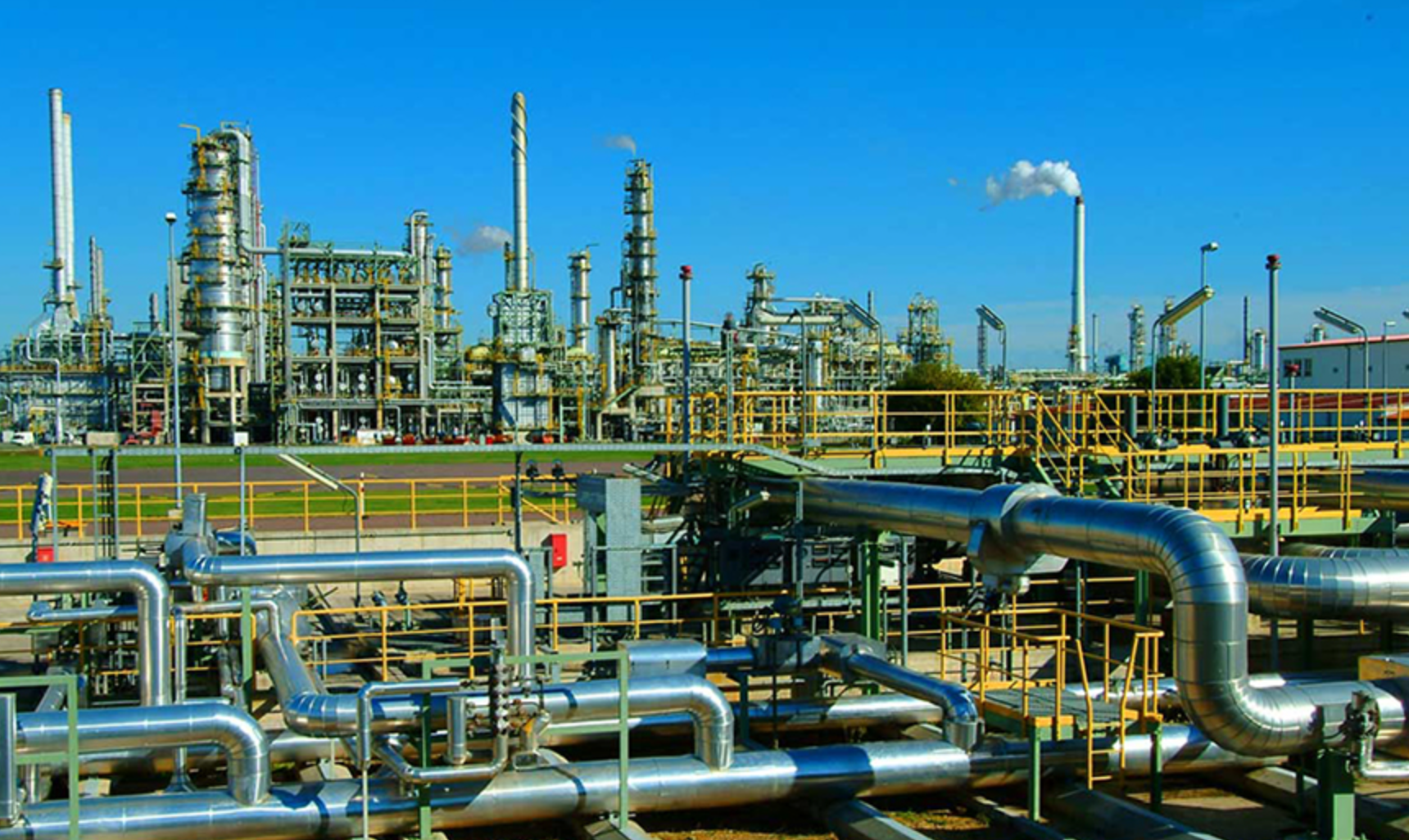
The timing of the government’s intervention is significant. Located in Kogi State, the Ajaokuta Steel Company has become a symbol of Nigeria’s unfulfilled industrial potential since construction began in the 1970s with Soviet technical assistance. Despite billions of dollars in investment over the decades, the complex has never achieved full operational capacity, making it a frequent target of criticism and speculation about its future.
Central to the government’s defense is a comprehensive technical and financial audit currently underway—a process officials describe as crucial to ensuring transparency and data-driven decision-making. This represents the latest in a series of assessments that have periodically reviewed the plant’s condition and potential.
The ministry drew particular attention to findings from a 2018 technical audit, which officials say provides reason for optimism. According to that assessment, “the general status of the steel plant is in robust condition except for normal deterioration of replaceable parts.” The 2018 report also recommended automation upgrades to manual control systems as a pathway to improved efficiency.
This characterization stands in marked contrast to the persistent narrative of decay and obsolescence that has surrounded the facility in recent years. Industry observers have long questioned whether equipment installed decades ago could remain competitive in today’s global steel market, particularly given the rapid technological advances in steel production.
The government’s emphasis on transparency through the ongoing audit process appears calculated to address longstanding concerns about accountability in the project’s management. Previous attempts to revitalize Ajaokuta have faced criticism over opaque decision-making and questionable financial arrangements.
The ministry’s statement concluded on an optimistic note, expressing confidence that the updated audit “will provide a sound basis for decisive action that advances Nigeria’s industrial aspirations.” This language suggests that significant announcements about the plant’s future may be forthcoming once the assessment is completed.
The Ajaokuta project has weathered numerous challenges since its inception, including changes in government, shifts in international partnerships, and questions about its economic viability. Its potential revival remains closely watched by industry stakeholders, given Nigeria’s substantial iron ore deposits and the potential for domestic steel production to reduce import dependence.
For a government that has made industrial diversification a key priority, the successful operation of Ajaokuta would represent a significant achievement and validation of long-term industrial planning. However, skeptics continue to question whether decades-old infrastructure can be economically transformed to meet modern production standards.
The ministry’s intervention yesterday suggests officials remain determined to silence doubts and maintain momentum toward what they characterize as an essential component of Nigeria’s industrial future.
WHAT YOU SHOULD KNOW
The Nigerian government is pushing back against reports questioning the viability of the long-troubled Ajaokuta Steel Company, insisting the facility remains in “robust condition” based on a 2018 audit.
A new comprehensive assessment is currently underway to determine the plant’s future, with officials promising transparent, data-driven decisions about the decades-old project that has never reached full production despite billions in investment.
The government’s intervention signals its continued commitment to making the steel complex operational as part of Nigeria’s industrial diversification goals.