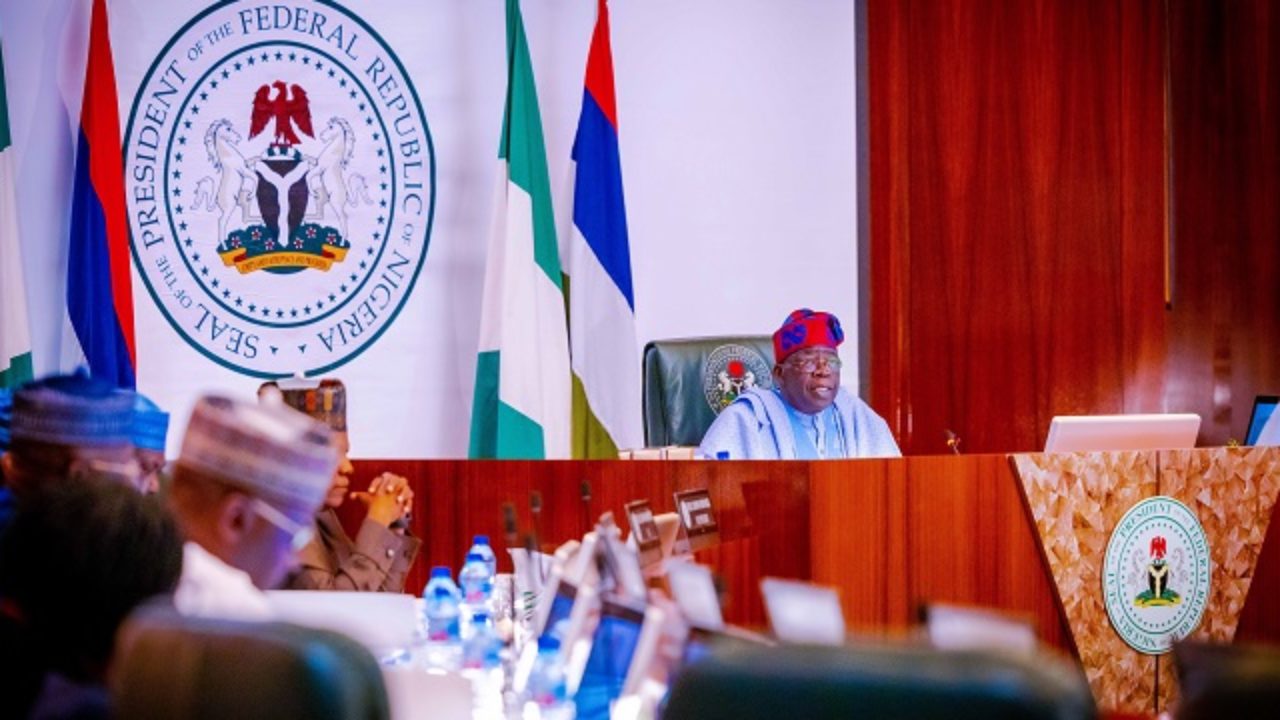
The Federal Executive Council has approved an upward revision of the 2026 federal budget, raising it from ₦54.5 trillion to ₦58.47 trillion.
The approval was granted during an emergency meeting of the council held at the State House in Abuja and chaired by Vice President Kashim Shettima. The session marked the first time the Vice President presided over a Federal Executive Council meeting under the current administration.
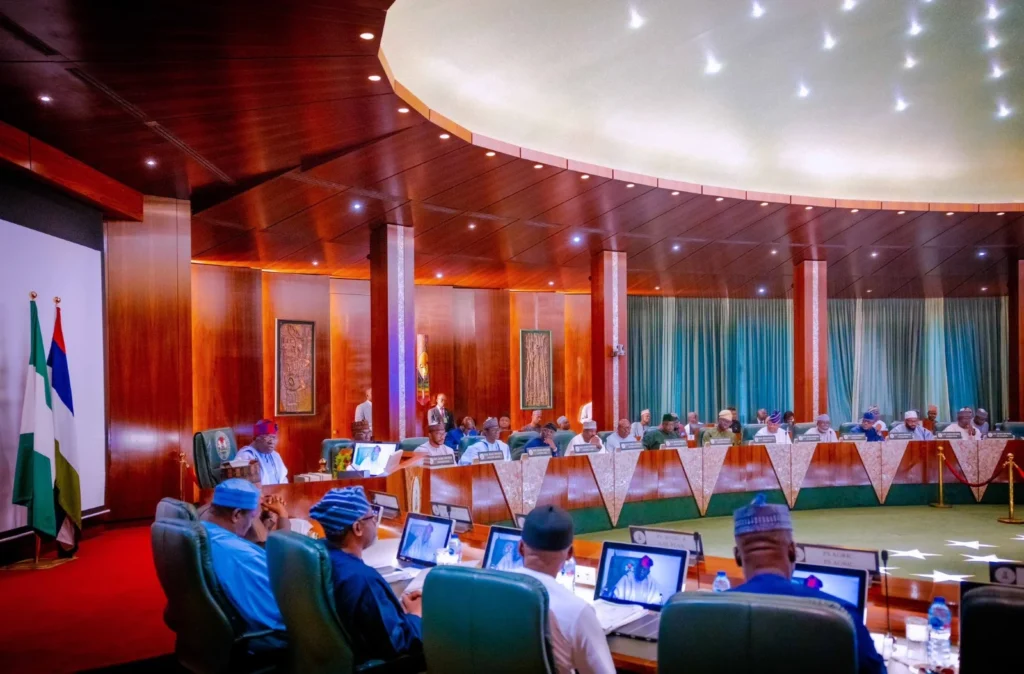
Speaking to State House correspondents after the meeting, the Director-General of the Budget Office, Tanimu Yakubu, said the revised 2026 appropriation bill represents a six per cent increase over the 2025 budget estimate. He explained that the expenditure framework includes projected spending by government-owned enterprises estimated at ₦4.98 trillion, as well as ₦1.37 trillion earmarked for grants and donor-funded projects.
Yakubu said the aggregate expenditure projection also covers statutory transfers of ₦4.1 trillion and debt servicing obligations amounting to ₦15.52 trillion. This figure includes ₦388.54 billion allocated to a sinking fund meant to retire maturing bonds issued to local contractors and creditors. Personnel costs, including pensions, were put at ₦10.75 trillion, a sum that incorporates ₦1.02 trillion for government-owned enterprises and reflects a seven per cent increase over the 2025 provision.
He added, “Overhead cost ₦2.22 trillion, capital expenditure ₦25.68 trillion, 1.8 per cent lower than the 2025 capital provision, reflecting a more conservative approach to capital planning and the focus on completing ongoing projects.”
According to him, capital spending priorities include ₦11.3 trillion for ministries, departments and agencies, ₦2.052 trillion for multilateral and bilateral loans, and ₦1.8 trillion as the capital component of the development levy.
Yakubu noted that the 2026 budget was designed to strike a careful balance between macroeconomic stabilisation and development needs within the framework of the medium-term fiscal plan. He said the underlying assumptions guiding the budget were conservative and realistic, especially with respect to oil prices, exchange rate projections and expected dividends from government-owned enterprises.
He explained that although projected revenues are expected to decline year-on-year, non-oil revenues now make up roughly two-thirds of total government receipts, signalling a structural shift away from reliance on crude oil. According to him, corporate income tax, value-added tax, customs duties and independent revenues remain the key pillars supporting government finances.
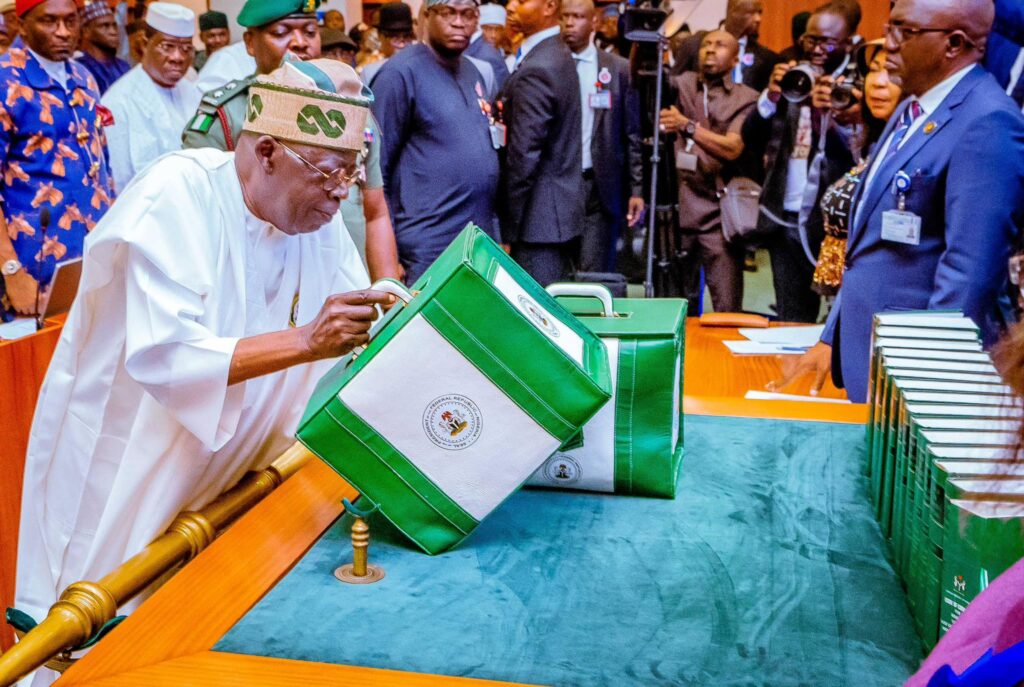
Yakubu further stated that expenditure growth is being driven largely by debt servicing, wages and pension obligations rather than discretionary expansion. He added that capital spending was slightly reduced to ensure the completion of ongoing projects and improve value for money.
He said the wider budget deficit reflects existing fiscal realities rather than a loosening of policy, noting that financing will depend mainly on domestic borrowing, complemented by concessional loans from multilateral institutions.
Earlier, the Minister of Budget and Economic Planning, Atiku Bagudu, disclosed that the council also approved amendments to the Medium-Term Expenditure Framework. He added that the meeting considered a downward revision of the exchange rate assumption from ₦1,512 to ₦1,400.
What you should know
The upward revision of the 2026 budget underscores the government’s effort to adjust fiscal planning in response to economic pressures, rising debt obligations and changing revenue realities.
While overall spending has increased, the emphasis is on managing debt, sustaining personnel costs and completing existing projects rather than launching new ones.
The growing share of non-oil revenue highlights Nigeria’s gradual shift away from oil dependence, while conservative assumptions on exchange rate and capital spending signal caution amid economic uncertainty.