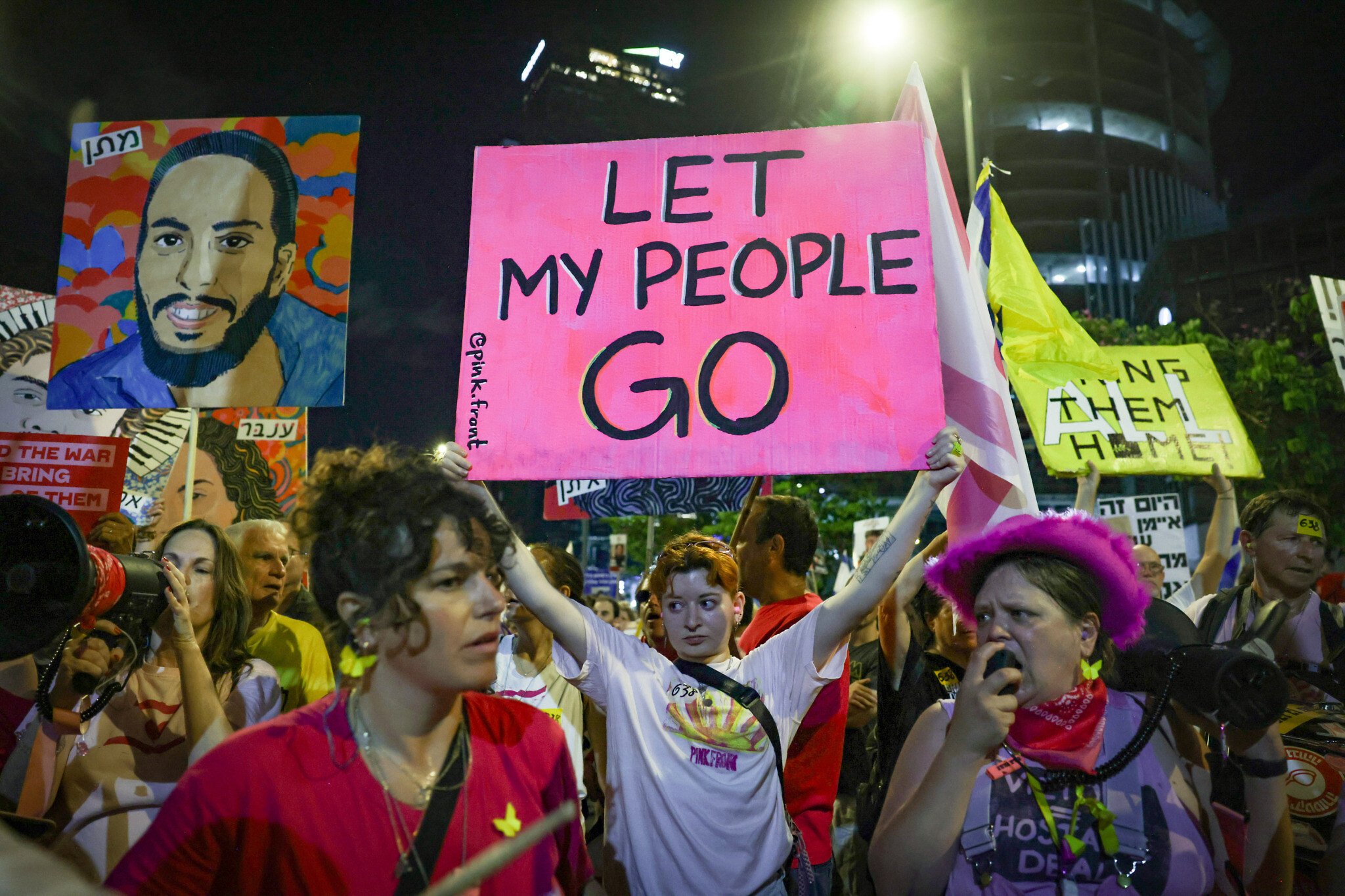
Families of Israeli hostages have called for a suspension of the next stage of the US-brokered Gaza ceasefire agreement until Hamas returns the bodies of all remaining deceased captives.
In a statement released on Monday, the Hostages and Missing Families Forum said, “Hamas knows exactly where every one of the deceased hostages is held. Two weeks have passed since the deadline set in the agreement for the return of all 48 hostages, yet 13 remain in Hamas captivity.”

The group urged the Israeli government, the United States, and mediators to delay any advancement in the ceasefire process until Hamas fully complies with its commitments. “The families urge the Government of Israel, the United States administration and the mediators not to advance to the next phase of the agreement until Hamas fulfils all of its obligations and returns every hostage to Israel,” the statement read.
The ceasefire, which came into effect on October 10, ended the devastating Gaza war sparked by Hamas’s cross-border attack that killed 1,221 people in Israel. During that assault, the Palestinian militant group abducted 251 individuals, setting off one of the deadliest conflicts in recent history.
Israel’s retaliatory military campaign in Gaza resulted in the deaths of at least 68,527 people, according to the enclave’s health ministry figures, which the United Nations regards as credible.
Under the terms of the US-mediated truce, facilitated alongside Qatar and Egypt, Hamas has released all 20 surviving hostages and returned the remains of 15 out of the 28 confirmed dead. However, 13 bodies—11 Israeli citizens and two foreign workers from Thailand and Tanzania—are yet to be recovered.
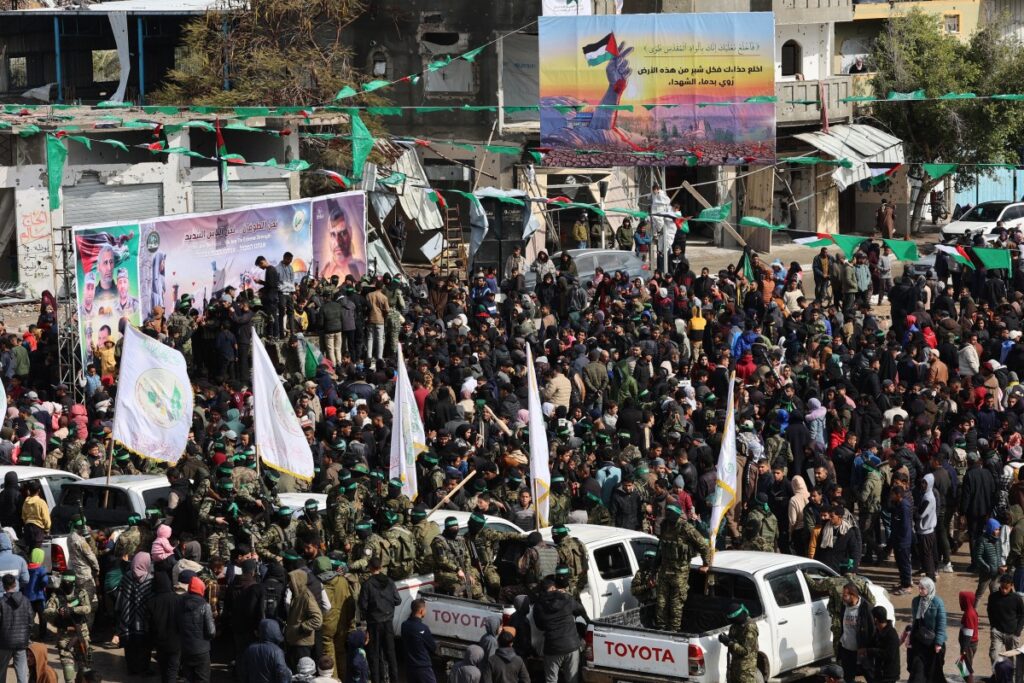
Hamas claims it remains committed to the ceasefire and is making efforts to locate the remaining bodies but says the search is hindered by the extensive destruction caused by Israeli bombardments.
Lead Hamas negotiator Khalil al-Hayya stated on Saturday, “There are challenges in locating the bodies of Israeli captives because the occupation has altered the terrain of Gaza. Moreover, some of those who buried the bodies have been martyred or no longer remember where they buried them.”
In recent days, Egypt has deployed recovery crews and heavy machinery into Gaza—with Israel’s approval—to assist in the effort to retrieve the missing remains.
Although no concrete timeline has been established for the next steps of the ceasefire plan, the administration of US President Donald Trump is reportedly working on creating an international peacekeeping force composed of troops from Arab and Muslim countries to oversee the truce.

The US military has also established a coordination centre in southern Israel to monitor compliance with the ceasefire and facilitate aid distribution and reconstruction efforts. Nonetheless, humanitarian agencies continue to push for expanded access to Gaza to deliver essential relief supplies.
While Israel has withdrawn its troops from Gaza’s main urban areas, it still holds positions along roughly half of the territory, particularly around the “Yellow Line.” The Israeli government has so far resisted increasing aid flow through the Rafah border crossing with Egypt, citing security concerns.
What You Should Know
The families of Israeli hostages are demanding a pause in ceasefire progress until Hamas returns the bodies of all deceased captives.
The ceasefire, brokered by the US, Qatar, and Egypt, ended months of deadly conflict that left over 68,000 Palestinians and more than 1,200 Israelis dead. Hamas says ongoing destruction in Gaza has made it difficult to recover the bodies.
Meanwhile, the US is pushing to form an international security force to maintain peace and assist in rebuilding the war-torn enclave.