The European Union announced Sunday it will extend its suspension of retaliatory trade measures against the United States until early August, signaling a continued commitment to diplomatic resolution even as President Donald Trump escalates threats of punitive tariffs on European goods.
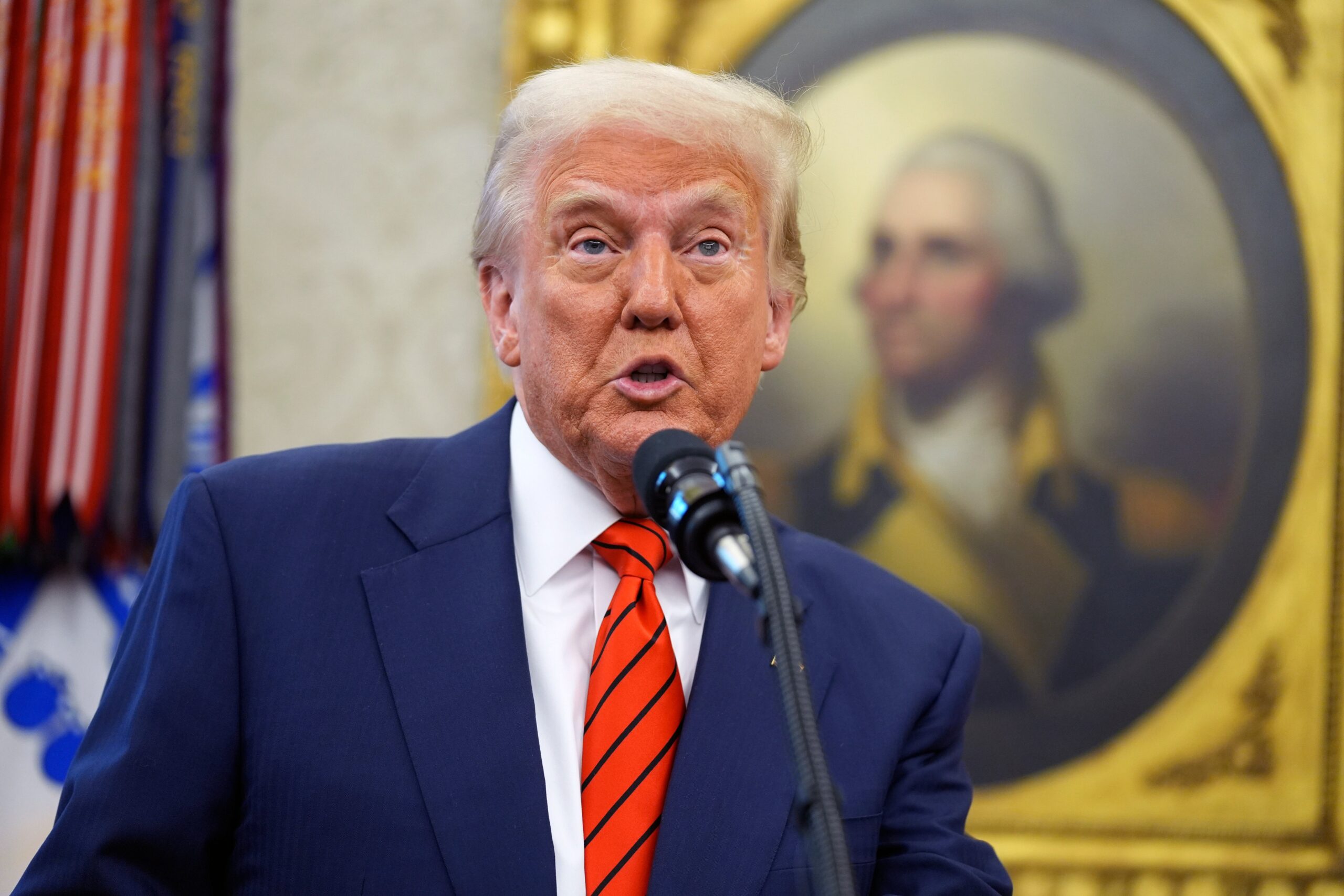
European Commission President Ursula von der Leyen’s announcement comes just one day after Trump threatened to impose a comprehensive 30% tariff on all EU imports starting August 1, marking a dramatic expansion of trade tensions that have simmered for months despite intensive bilateral negotiations.
The extension represents a calculated gamble by Brussels to preserve space for dialogue while Trump’s administration takes an increasingly aggressive stance. Von der Leyen emphasized that the bloc remains prepared for confrontation, stating that officials would “continue to prepare further countermeasures so we are fully prepared” should diplomatic efforts fail.
The EU’s restraint reflects the high economic stakes involved. The first package of countermeasures, originally set to expire Monday, would have targeted $24.6 billion worth of American goods in response to U.S. steel and aluminum tariffs. A more substantial second package, developed since May, has been designed to hit $72 billion in U.S. exports—a figure that underscores the potential magnitude of a full-scale trade conflict between the world’s two largest economic blocs.
The timing of Trump’s latest threat appears strategically designed to pressure European negotiators, coming after what sources describe as months of intense but fruitless trade talks. The proposed 30% levy would represent one of the most sweeping tariff actions in recent decades, potentially affecting everything from European automobiles to luxury goods and agricultural products.
Von der Leyen’s measured response suggests EU leadership believes diplomatic channels remain viable, though her comments indicate Brussels is simultaneously preparing for a more confrontational approach. The commission president notably referenced the EU’s Anti-Coercion Instrument—a recently developed tool designed to counter economic pressure from third countries—but indicated it was not yet under consideration.
“The instrument is created for extraordinary situations; we are not there yet,” von der Leyen said, though she outlined the tool’s broad retaliatory capabilities, including restrictions on market access, foreign investment controls, and financial market measures.
The extension of the tariff suspension until early August creates a narrow window for negotiators to find common ground before both sides potentially implement measures that could significantly disrupt transatlantic trade flows. With European officials describing their countermeasures as “fully prepared,” the stage appears set for either a breakthrough in talks or an escalation that could reshape global trading relationships.
The stakes extend beyond bilateral trade statistics. A full-scale trade war between the U.S. and the EU would likely ripple through global supply chains, potentially affecting third-country exporters and importers while creating uncertainty for businesses operating across both markets.
As negotiations continue against this backdrop of mutual threats, both sides face pressure to demonstrate strength to domestic audiences while preserving the economic relationship that has underpinned decades of transatlantic cooperation.
WHAT YOU SHOULD KNOW
The EU has extended its suspension of retaliatory tariffs until early August in a final attempt to negotiate with the U.S., even as President Trump threatened sweeping 30% tariffs on all European imports starting August 1.
Brussels has $96.6 billion worth of countermeasures ready to deploy against American goods if talks fail, setting up a critical month that could either resolve tensions or trigger one of the largest trade wars between the world’s two biggest economic blocs. The window for diplomacy is rapidly closing, with both sides prepared for significant economic escalation.