The U.S. dollar found its footing in Monday trading as market participants prepared for a crucial week of economic data releases following the conclusion of a government shutdown that left investors starved for information about the health of the world’s largest economy.
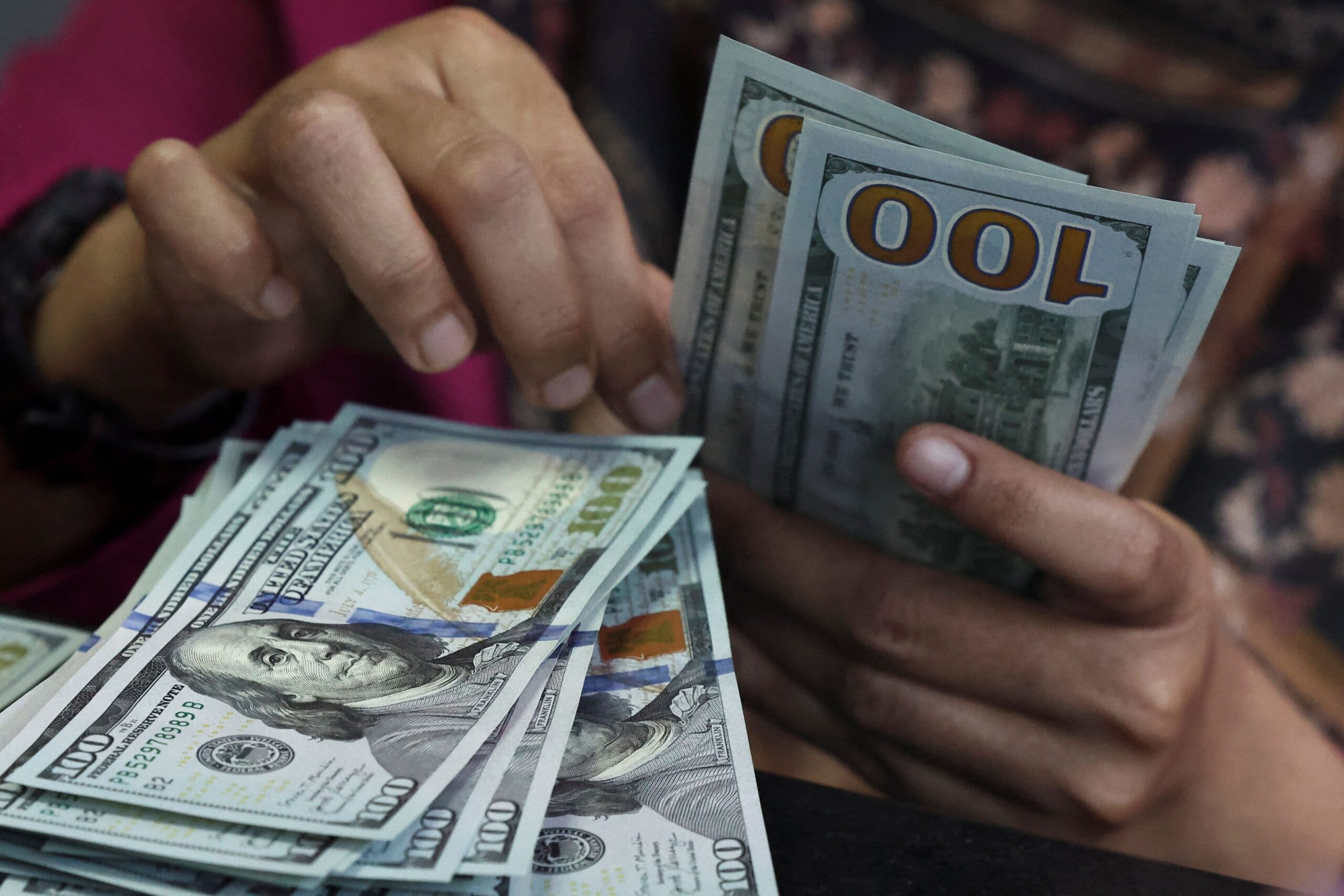
After surrendering ground last week amid a broader selloff that engulfed stocks and bonds, the greenback managed to claw back modest gains in Asian trading hours. The dollar index, which tracks the currency against a basket of major peers, advanced 0.14% to 99.46, while the euro slipped 0.2% to $1.1597.
Data Drought Ends After Six-Week Hiatus
The extended government closure created an unprecedented 40-day vacuum of economic statistics, leaving traders and policymakers alike operating in the dark. That drought is set to end this week with a flood of releases, headlined by September’s nonfarm payrolls report due Thursday—a critical gauge of labor market strength that could reshape expectations for Federal Reserve policy.
“We have had a data vacuum for over 40 days, so I think markets will be super interested in any new information about the U.S. economy,” noted Carol Kong, a currency strategist at Commonwealth Bank of Australia. Kong warned that disappointing employment figures could reignite speculation about a December interest rate cut and weaken the dollar further.
Fed Rate Cut Odds Decline Despite Economic Concerns
Market pricing currently assigns just over a 40% probability to a 25-basis-point rate reduction at the Fed’s December meeting—down sharply from more than 60% earlier this month. The recalibration reflects investor concerns that gaps in economic data may force the central bank to pause its easing cycle, even as recent private-sector indicators suggest softening conditions.
Yet the dollar has failed to capitalize meaningfully on these reduced rate cut expectations. Thierry Wizman, global foreign exchange and rates strategist at Macquarie Group, attributed last week’s currency weakness to “speculative traders closing long U.S. dollar positions ahead of heightened volatility” in anticipation of the coming data deluge.
Tariff Reversal Draws Muted Response
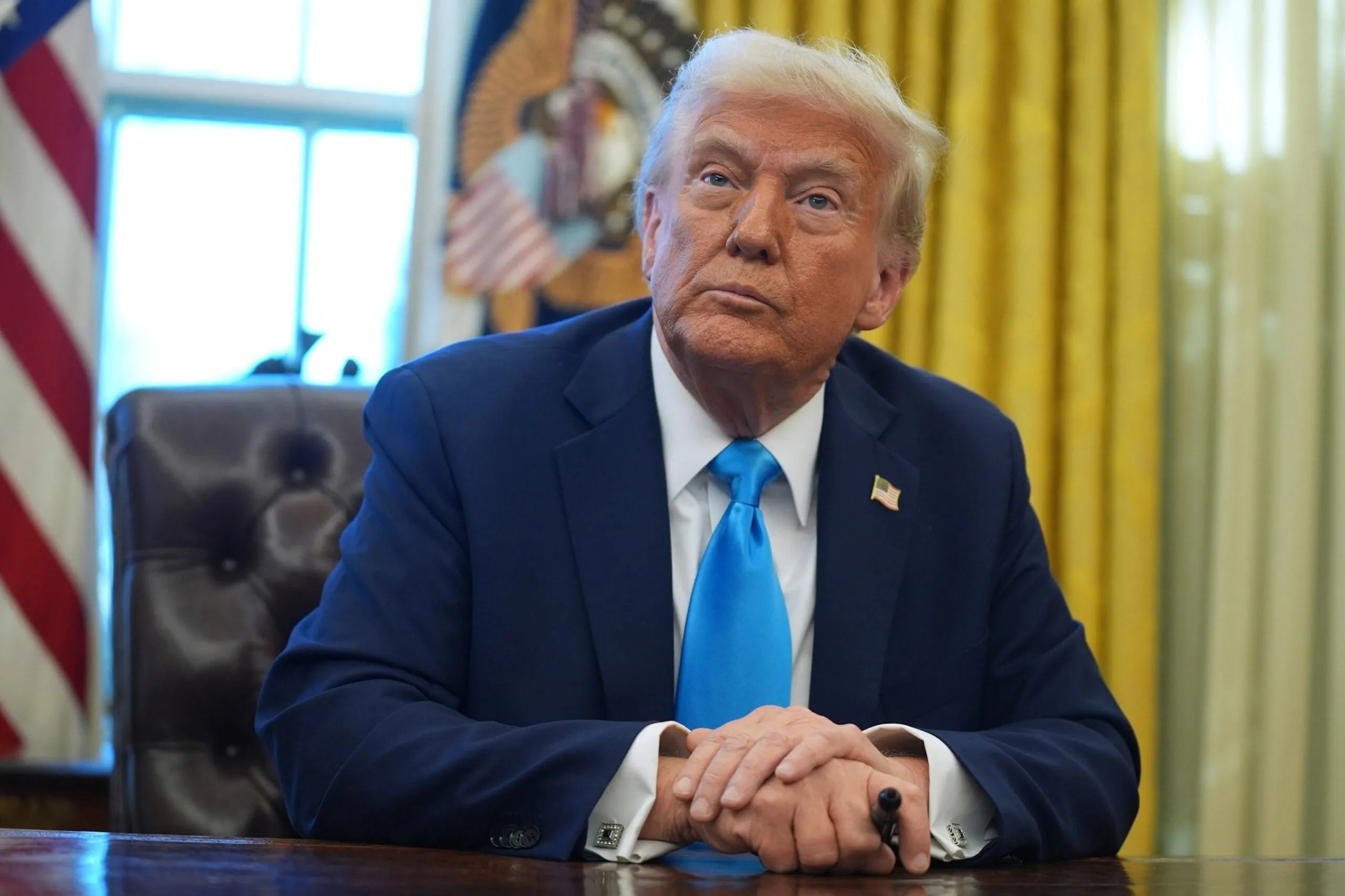
Markets largely shrugged off President Donald Trump’s decision to reverse tariffs on more than 200 food products, a move analysts characterized as unsurprising given mounting cost-of-living pressures facing American consumers. The policy U-turn underscored the administration’s balancing act between protectionist trade policies and domestic inflation concerns.
Sterling Under Siege Ahead of Crucial Budget
The British pound extended its decline, falling 0.3% to $1.3137, as investors grappled with uncertainty surrounding Finance Minister Rachel Reeves’ upcoming November 26 budget. The currency faced sharp volatility Friday after news emerged that Reeves would not raise income tax rates—a revelation that sent government borrowing costs surging as markets questioned how the chancellor would address an expected fiscal shortfall.
Analysts estimate Reeves must raise tens of billions of pounds to meet her fiscal targets, and many had viewed income tax increases as the most straightforward path to closing the gap. Against the euro, sterling hovered near its weakest level in roughly two-and-a-half years at 88.25 pence.
“It will definitely be more difficult to fill the big budget hole without raising the income tax rate,” Kong observed. “Concerns remain that the UK government may not be able to consolidate the budget as much as previously expected, and that could again fuel concerns about the UK fiscal trajectory.”
Safe Haven Flows Ebb; Yen Intervention Threat Looms
The Swiss franc retreated from a one-month peak, easing to 0.7954 per dollar after finding support last week from anxiety over a severe global equity market selloff. Meanwhile, commodity-linked currencies weakened, with the Australian dollar sliding 0.24% to $0.6521 and the New Zealand dollar declining 0.18% to $0.5670.
In Tokyo, the yen languished near the psychologically significant 155 per dollar level, last trading at 154.80—a position that kept traders vigilant for potential intervention by Japanese monetary authorities. Japan last stepped into currency markets in July 2024 when the yen plummeted to a 38-year low around 161.96, as currency depreciation fueled sharp increases in food and fuel prices.
The yen showed little reaction to data Monday revealing Japan’s economy contracted at an annualized 1.8% rate in the third quarter—the first decline in six quarters. The contraction was driven by falling exports as U.S. tariffs took their toll on Japanese trade.
As markets brace for this week’s data avalanche, currency traders face a delicate moment: the incoming statistics will either validate recent Fed policy expectations or force a dramatic reassessment that could send shockwaves through foreign exchange markets already on edge.
WHAT YOU SHOULD KNOW
The U.S. dollar is stabilizing as markets prepare for a critical week of economic data—particularly Thursday’s September jobs report—after a 40-day government shutdown left investors flying blind. This data dump will likely determine whether the Federal Reserve cuts interest rates in December, with current odds sitting at just 40%, down from over 60% earlier this month.