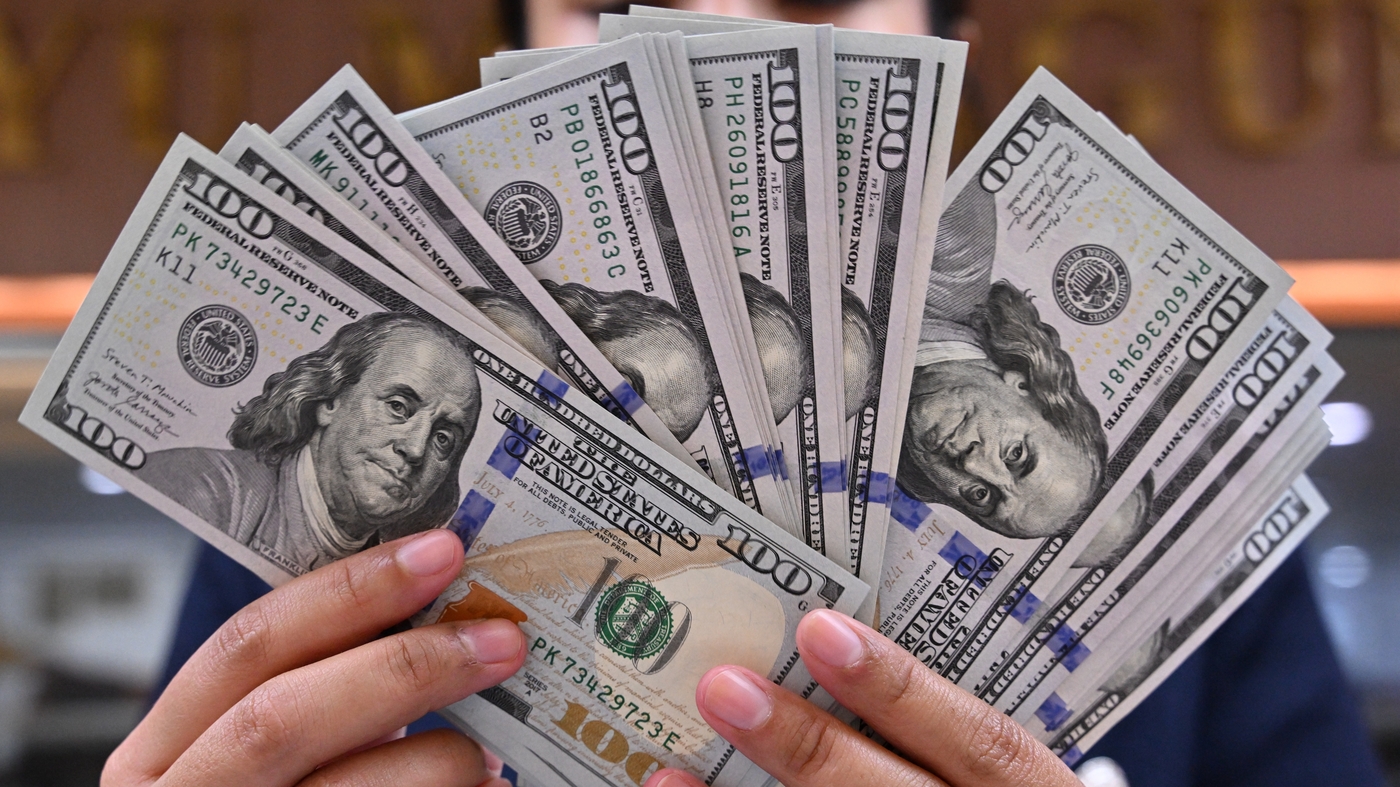
The U.S. dollar mounted a broad-based rally on Wednesday, gaining significant ground against major trading partners as markets recalibrated expectations following Federal Reserve Chair Jerome Powell’s notably cautious commentary on the pace of future monetary easing.
The greenback’s resurgence came after two consecutive sessions of losses, with the dollar index climbing 0.65% to 97.87 as investors parsed Powell’s Tuesday remarks for clues about the central bank’s policy trajectory. The Fed chair emphasized the delicate balancing act facing policymakers as they navigate between persistent inflationary pressures and signs of labor market softening.
Cross-Currency Movements Paint Broad Dollar Strength
The dollar’s advance was particularly pronounced against safe-haven currencies, with the Swiss franc bearing the brunt of the selling pressure. The USD/CHF pair jumped 0.46% to 0.795, positioning the dollar to break its recent two-day losing streak against the traditionally strong Swiss currency.
European currencies also faced headwinds, with the euro declining 0.67% to $1.1736 despite having posted gains in the previous two sessions. The single currency’s weakness was amplified by disappointing German business sentiment data, as the closely watched business morale index fell unexpectedly in September, raising fresh concerns about the eurozone’s largest economy.
Sterling followed suit, dropping 0.68% to $1.3431, though it managed to hold steady against the euro at 87.34 pence, suggesting the dollar’s strength was the primary driver rather than pound-specific weakness.
Market Positioning and Fed Policy Outlook
“The dollar is a little firmer broadly against most of the G10, although it is still choppy and range-bound,” observed Marvin Loh, senior global market strategist at State Street in Boston. His analysis points to underlying structural support for the dollar, noting that “based on our flows and holdings data, the dollar is still very underweight within the real money community, so I think it’s due for a period of consolidation.”
Current market pricing reflects expectations for measured Fed action, with traders anticipating quarter-point rate cuts at the remaining two Federal Open Market Committee meetings this year, followed by another reduction in the first quarter of 2026. This timeline aligns with the central bank’s own guidance issued after last week’s policy meeting.
Data Dependencies Drive Near-Term Outlook
The focus now shifts to this week’s economic data releases, particularly Friday’s personal consumption expenditures price index—the Fed’s preferred inflation gauge. This reading will be crucial in shaping market expectations for the central bank’s next policy moves.
“We are still data point-to-point about the Fed, and that’s going to be the catalyst for rates and the dollar in terms of determining how aggressive or hawkish the market starts to view the Fed,” Loh explained, underscoring the data-dependent nature of current monetary policy.
Regional Central Bank Developments
Beyond U.S. monetary policy, currency markets are also digesting changes in other major central banks. The New Zealand dollar faced pressure following the appointment of a new central bank governor, reflecting investor uncertainty about potential shifts in the Reserve Bank of New Zealand’s policy stance.
Later today, San Francisco Fed President Mary Daly is scheduled to speak, providing another opportunity for policymakers to clarify the Fed’s current thinking on the economic outlook and appropriate policy response.
The dollar’s Wednesday rally represents a potential inflection point as markets continue to recalibrate expectations around the Fed’s easing cycle, with upcoming economic data likely to determine whether this strength can be sustained in the coming sessions.
WHAT YOU SHOULD KNOW
The U.S. dollar strengthened significantly across major currencies on Wednesday after Fed Chair Jerome Powell signaled a more cautious approach to interest rate cuts, emphasizing the need to balance inflation risks with job market concerns.
Markets are now pricing in only modest quarter-point cuts at remaining Fed meetings this year, with Friday’s inflation data (PCE index) serving as the critical catalyst for determining the Fed’s next moves.
The dollar’s rally suggests investors are reassessing expectations for aggressive monetary easing, making upcoming economic data releases crucial for currency direction.