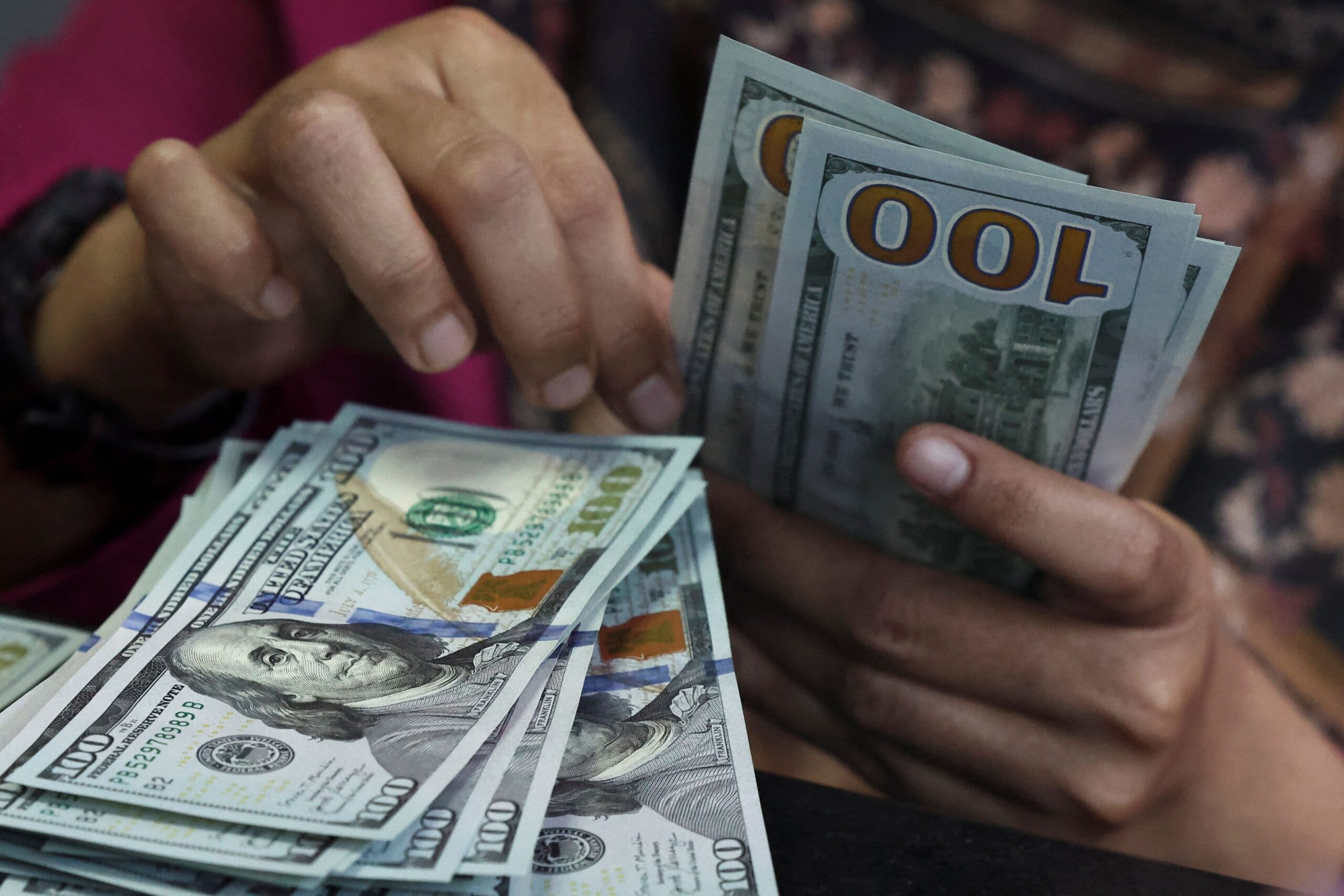
The U.S. dollar maintained a steady course on Thursday as traders parsed through a contradictory batch of economic data, seeking clarity on the American economy’s trajectory while bracing for what could be a market-moving employment report set for release on Friday.
In European trading, the euro held firm at $1.1679, positioning itself for a modest weekly decline despite riding high on an extraordinary 13.5% surge throughout 2025—its strongest annual performance in years. The single currency’s remarkable rally has come largely at the dollar’s expense, with currency strategists now eyeing the psychologically significant $1.20 level as a realistic target for 2026.
The British pound slipped 0.3% to trade at $1.3456, retreating slightly from the near four-month peak it scaled earlier this week but remaining well-supported by improving UK economic sentiment.
Thursday’s data dump painted a picture of an economy stuck between gears. Labor Department figures revealed job openings fell more sharply than economists anticipated in November, declining to levels that suggest employers remain hesitant to expand their workforces. Simultaneously, hiring activity cooled, reinforcing what analysts are characterizing as a “no hire, no fire” environment—a holding pattern where companies maintain existing staff but show little appetite for growth.
Yet offsetting this labor market softness, the services sector—which accounts for roughly 70% of U.S. economic activity—showed unexpected resilience. The Institute for Supply Management’s services index rose in December, indicating the economy may have finished 2025 on a stronger footing than many feared.
“The latest U.S. data releases paint a mixed picture of the economy,” said Lloyd Chan, senior currency analyst at MUFG. “For the Fed, this mix of signals could reinforce a cautious approach.”
The conflicting indicators arrive as the Federal Reserve navigates a delicate policy landscape. Financial markets are currently pricing in at least two interest rate cuts in 2026, though the central bank’s own December projections suggested just one reduction for the year. Most analysts expect the Fed to hold rates steady at its January meeting as policymakers assess incoming data.
“We might not see as many Fed rate cuts as expected in 2026, mainly because the country’s robust growth does not justify aggressive cutting,” said Matthias Scheiber, senior portfolio manager at Allspring Global Investments. He noted that an “ideology shift toward a more pro-growth approach” in rate-setting remains possible, though the Fed faces the challenging task of balancing growth objectives against persistent inflation concerns.
The dollar is emerging from its worst annual performance since 2017, and analysts broadly expect further depreciation in 2026, albeit at a more moderate pace than last year’s decline.
In Asian markets, the Japanese yen traded flat at 156.69 per dollar as investors adopted a wait-and-see stance ahead of both Japanese and U.S. economic releases. The Australian dollar eased to $0.6704, just shy of the 15-month high reached earlier this week, while New Zealand’s kiwi dollar fell 0.13% to $0.5763.
The dollar index, which tracks the greenback against six major currencies, held steady at 98.737, positioning for a modest weekly gain after suffering its steepest annual slide in nearly a decade.
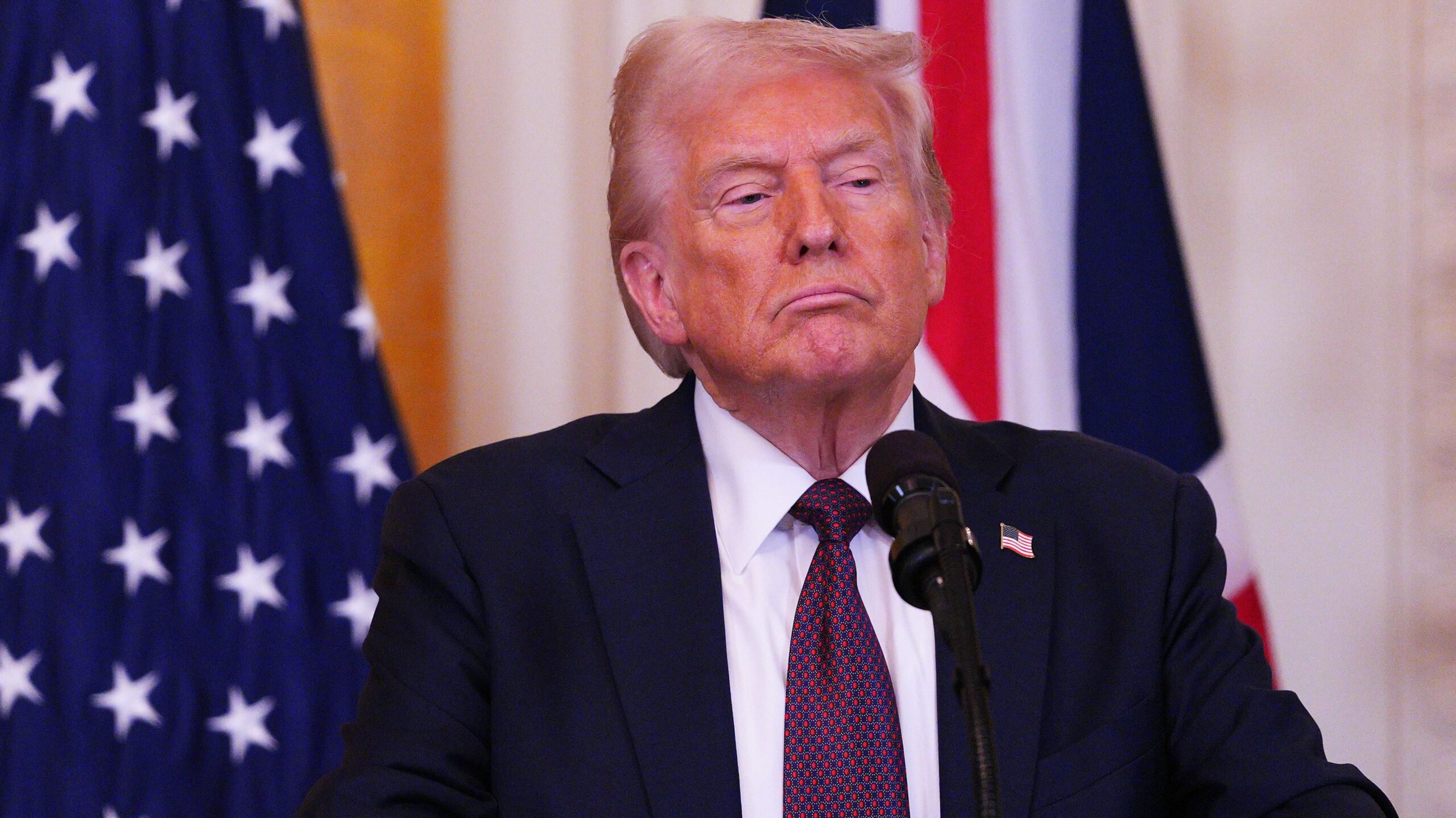
Remarkably, currency markets have absorbed recent geopolitical turbulence—including U.S. intervention in Venezuela and escalating tensions between China and Japan—with relative equanimity. However, Prashant Newnaha, senior Asia-Pacific rates strategist at TD Securities, pointed to a potentially more significant catalyst: a possible Supreme Court ruling on President Trump’s tariff policies.
“If there is a decision that the tariffs are constitutional, this takes the demand for refunds off the table. This would be USD positive,” Newnaha said. Speculation has intensified that the court could issue its decision as early as Friday, though the court does not announce its ruling schedule in advance.
Still, Friday’s nonfarm payrolls report remains the week’s marquee event. The closely watched employment data will provide the clearest snapshot yet of labor market health and could significantly influence the Fed’s rate path for the months ahead. Any substantial surprise—either stronger or weaker than expected—could trigger sharp moves across currency markets after days of range-bound trading.
For now, investors appear content to hold their positions, awaiting greater clarity on an economy sending decidedly mixed messages.
WHAT YOU SHOULD KNOW
The U.S. dollar remains in limbo as markets digest contradictory economic signals—a weakening labor market versus resilient services sector growth. Friday’s jobs report is the critical data point that will determine the dollar’s near-term direction and shape expectations for Federal Reserve rate cuts in 2026.
With the dollar coming off its worst year since 2017 and traders positioning for potential rate cuts, this employment data could either validate the case for Fed easing or force a reassessment of the policy outlook.
A Supreme Court decision on Trump’s tariff policies, if it comes on Friday, adds another wild card that could swing currency markets.