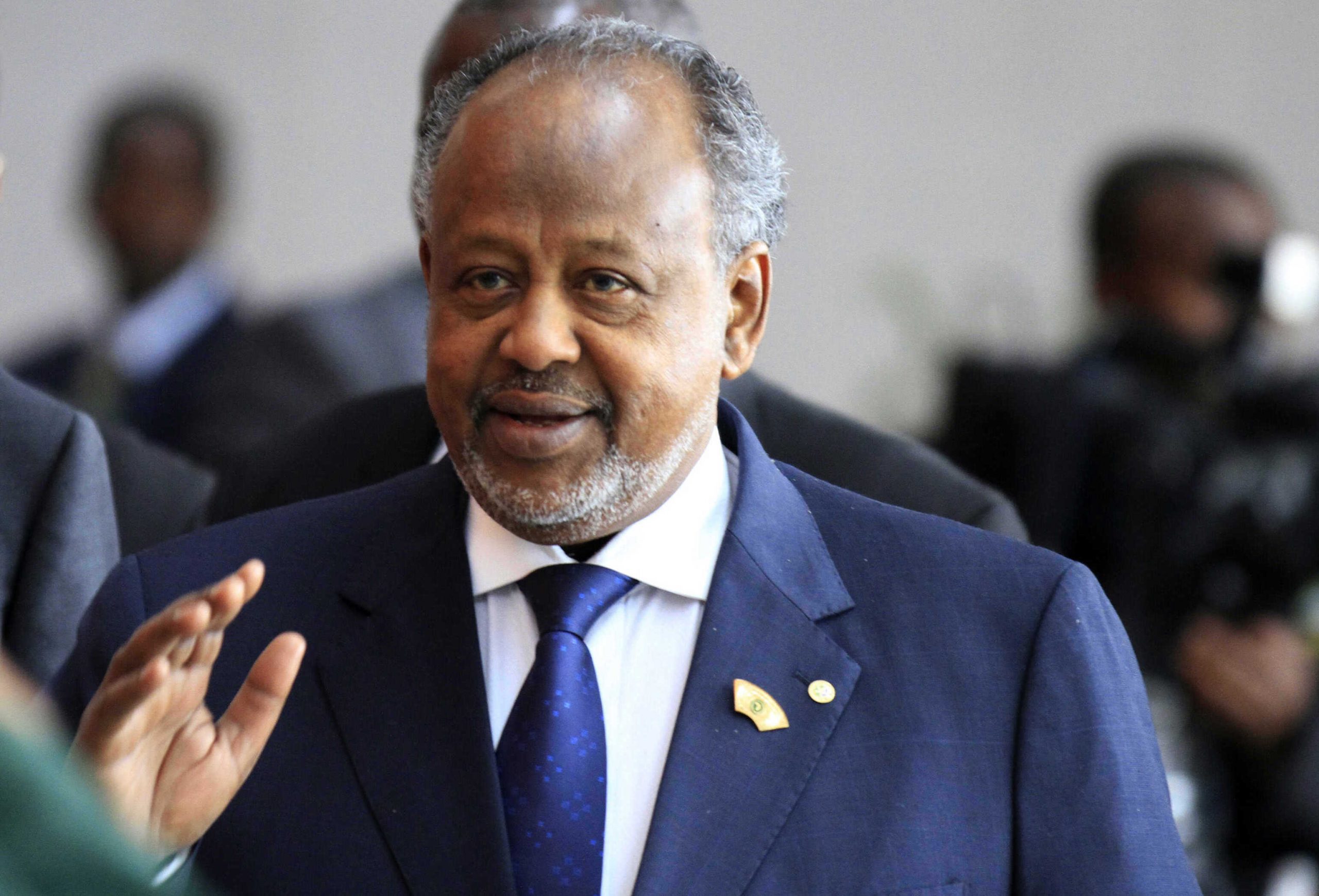
Djibouti’s long-serving president, Ismail Omar Guelleh, is set to run for a sixth term in the upcoming 2026 presidential election after parliament scrapped a constitutional clause that previously barred him from contesting due to age.
The announcement came after a congress of the ruling People’s Rally for Progress (RPP), where National Assembly President Dileita Mohamed Dileita confirmed Guelleh’s candidacy. Although the presidency has yet to make an official statement, party insiders told AFP that “everything went smoothly.”
Guelleh, 77, has ruled the small Horn of Africa nation since 1999 and remains a dominant political figure. His re-election is widely considered a certainty, given his control of the ruling coalition, the Union for the Presidential Majority, which holds most parliamentary seats. In the 2021 election, he secured a landslide victory with 97 percent of the vote, results international observers and rights groups described as neither free nor fair.
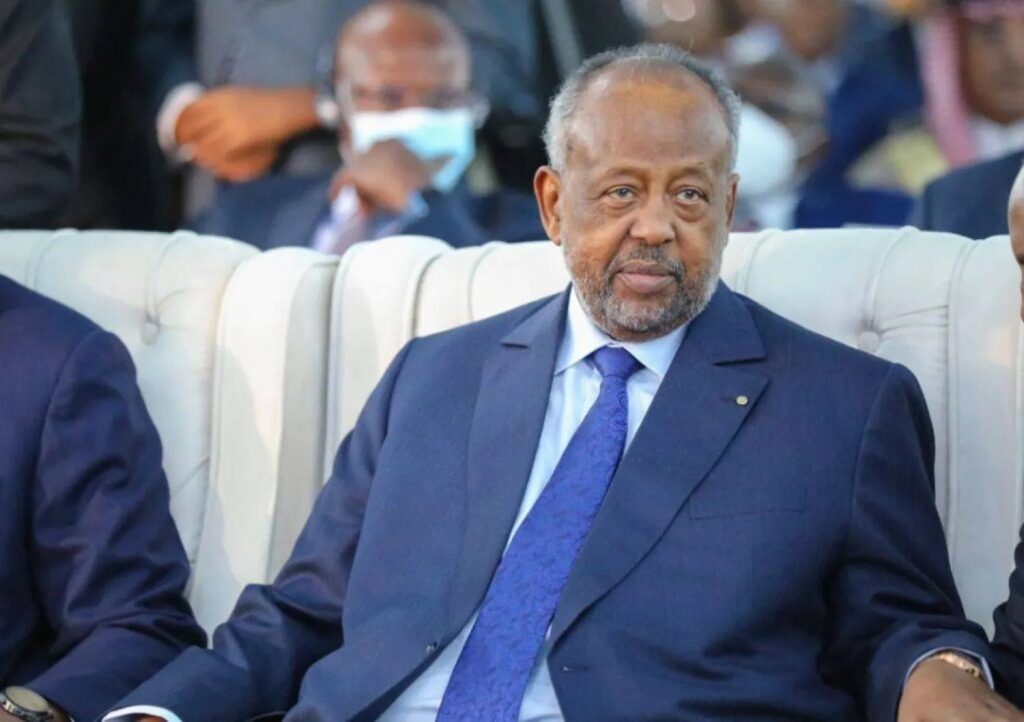
Djibouti, strategically located along the Bab el-Mandeb Strait on the Red Sea, hosts military bases for major world powers, including the US, France, China, Japan, and Italy. Despite its stability, the country faces criticism for curbing dissent and restricting press freedom. It currently ranks 168th out of 180 on Reporters Without Borders’ 2025 World Press Freedom Index, which notes that media is “completely controlled” by the state.
The constitutional changes—first removing the two-term limit in 2010 and now eliminating the 75-year age cap—have effectively allowed Guelleh to extend his hold on power indefinitely.
When asked earlier this year about his political future, Guelleh said, “I love my country too much to embark on an irresponsible adventure and be the cause of divisions.” Addressing health concerns, he added with a smile, “I probably need to lose a few pounds. Otherwise, everything is perfect.”
What You Should Know
Ismail Omar Guelleh, who has ruled Djibouti since 1999, will contest a sixth term in 2026 following the removal of the presidential age limit.
His long rule has been marked by stability and economic partnerships but also persistent human rights criticisms and limited press freedom. His re-election appears almost certain.