Biography and Early Life
Dino Melaye was born Daniel Jonah Melaye on January 1, 1974, in Kano State, Nigeria, though he hails from Ayetoro Gbede in Ijumu Local Government Area of Kogi State. Growing up in Northern Nigeria before returning to his ancestral Kogi State roots, Melaye was exposed to the diverse cultural and political landscape of Nigeria from an early age.
His upbringing would shape his understanding of Nigerian politics, though little is publicly known about his early childhood beyond his own accounts. What is certain is that from his youth, Melaye possessed the charisma, confidence, and flair for the dramatic that would later define his public persona.
Educational Background
Melaye’s educational credentials have been subject to significant controversy and debate:
Claimed Credentials: Melaye has claimed various educational qualifications, including:
- Bachelor’s degree in Geography from Ahmadu Bello University (ABU), Zaria
- Master’s degree in International Relations
- Various certificates from institutions, including Harvard University extension programs
Controversies: His educational background has faced serious scrutiny:
ABU Controversy: Ahmadu Bello University publicly disputed some of his claims about his degree and graduation, leading to investigations and public debates about certificate forgery.
Certificate Scandals: Multiple allegations have emerged over the years questioning the authenticity of various certificates he has presented, including questions about his National Youth Service Corps (NYSC) certificate.
Senate Investigations: His educational qualifications were investigated by the Senate following petitions challenging his credentials.
Court Cases: Several court cases have been filed challenging his educational credentials, though Melaye has maintained his qualifications are genuine and has produced documents to support his claims.
Despite these controversies, Melaye has remained defiant, insisting his credentials are legitimate and that challenges against him are politically motivated persecution.
Early Political Career and Activism
Student Union Activism
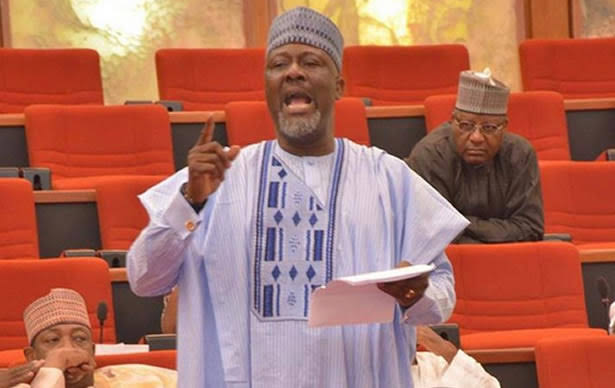
Melaye’s entry into public life came through student union politics:
National Association of Nigerian Students (NANS): He was active in NANS during the late 1990s and early 2000s, a period when the organization was involved in pro-democracy activism and student welfare advocacy.
Anti-Fuel Subsidy Activism: Gained early prominence, leading protests against fuel price increases and advocating for students’ rights and welfare.
Transition to Politics: Used his student union platform and visibility to transition into mainstream politics.
House of Representatives (2007-2011)
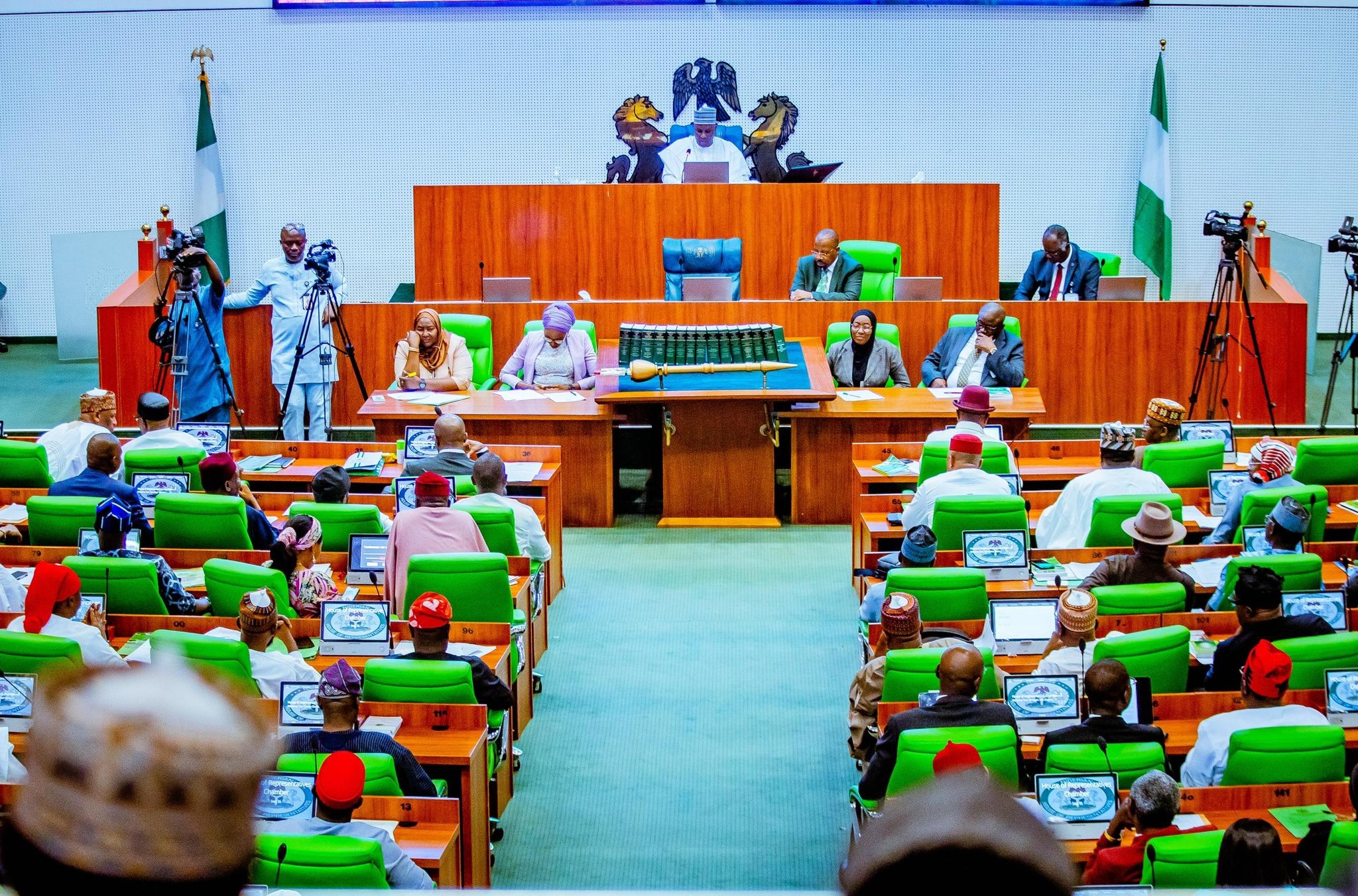
Melaye’s first major elective position was as a member of the House of Representatives representing Kabba/Bunu/Ijumu Federal Constituency of Kogi State from 2007 to 2011.
Legislative Activities: He was vocal in the House, particularly on issues affecting his constituency and Kogi State.
Media Presence: Even as a House member, Melaye cultivated a high media profile, appearing frequently on television and in newspapers.
Controversies: His tenure was marked by various controversies, including disputes with colleagues and allegations of misconduct.
Senator Representing Kogi West (2015-2019)
Melaye’s political prominence peaked when he was elected to the Senate in 2015, representing Kogi West Senatorial District under the All Progressives Congress (APC) platform.
Senate Tenure and Activities
Committee Memberships: Served on several Senate committees, including those dealing with the Federal Capital Territory, Aviation, and other sectors.
Legislative Contributions: Sponsored and co-sponsored various bills and motions, though critics question the substantive impact of his legislative work.
Media Engagement: Used his Senate position to maintain a constant media presence through interviews, social media, and public appearances.
Opposition Voice: Despite being elected on the APC platform, Melaye became increasingly critical of his party’s leadership and eventually emerged as one of the Senate’s most vocal opposition figures.
Major Controversies During Senate Tenure
Certificate Scandal Redux: Fresh challenges to his educational credentials emerged, with petitions filed to the Senate questioning his qualifications to hold office.
Recall Attempt (2017-2018): Constituents initiated a recall process against Melaye, citing non-performance and frequent absences from the constituency. The recall effort eventually failed, but it generated significant controversy and media attention.
Police Confrontations: Melaye had several dramatic confrontations with police:
- Siege at His Residence: Police besieged his Abuja home for days, attempting to arrest him on various charges, including illegal arms possession.
- Hospital Drama: He was dramatically hospitalized during one arrest attempt, claiming health issues and refusing to leave the ambulance or hospital.
- Court Appearances: Made theatrical court appearances, sometimes arriving in neck braces or being wheeled in, claiming police brutality and health complications.
Defection from APC: In 2018, Melaye defected from the APC to the People’s Democratic Party (PDP), citing internal party crises and the leadership of Kogi State Governor Yahaya Bello, with whom he had a bitter political rivalry.
Legal Battles: Faced multiple criminal charges, including alleged criminal conspiracy, illegal possession of firearms, and other offenses, which he claimed were politically motivated persecution by Governor Bello and the APC.
Feud with Governor Yahaya Bello
Melaye’s most defining political conflict has been his bitter rivalry with Kogi State Governor Yahaya Bello:
Political Falling Out: Initially allies, Melaye and Bello became fierce political enemies, engaging in a public war of words and accusations.
Mutual Accusations: Both accused each other of corruption, misgovernance, and using state institutions for persecution.
Media Warfare: Their conflict played out dramatically in the media, with Melaye frequently appearing on television to attack the governor.
Impact on Career: This feud significantly impacted Melaye’s political trajectory and contributed to the eventual loss of his Senate seat.
Loss of Senate Seat and Post-Senate Activities
2019 Election Defeat
Melaye lost his re-election bid in 2019 to Smart Adeyemi of the APC, marking the end of his Senate career. The election was contentious, with Melaye alleging rigging and manipulation by Governor Bello’s political machine.
Gubernatorial Ambition
2019 Governorship Race: Melaye contested the PDP governorship primary in Kogi State in 2019 but lost.
2023 Governorship Campaign: He ran again for Kogi State Governor in 2023 under the PDP, becoming the party’s candidate. He campaigned vigorously but lost to the APC candidate in an election he and his party contested as fraudulent.
Court Challenges: Following both governorship elections, Melaye challenged the results in court, though without success.
Continued Political Activism
Despite electoral losses, Melaye has remained politically active:
PDP Spokesperson: Served as spokesperson for the Atiku Abubakar presidential campaign in 2023.
Political Commentary: Maintains high media visibility as a political commentator and PDP chieftain.
Social Media Influence: Continues to command a significant social media following, using platforms to comment on political developments.
Public Persona and Lifestyle
Melaye is perhaps as famous for his flamboyant lifestyle and public persona as for his political career:
Ostentatious Lifestyle
Luxury Car Collection: Melaye is famous for his collection of luxury and exotic cars, including Lamborghinis, Ferraris, Bentleys, and other high-end vehicles. He frequently posts images and videos of his cars on social media.
Fashion and Style: Known for expensive, flashy clothing, designer accessories, and attention-grabbing fashion choices.
Mansions: Owns luxurious properties, including his famous Abuja mansion that became a media focal point during police sieges.
Display of Wealth: Regularly displays his wealth through social media posts, parties, and public appearances.
Entertainment and Media Presence
Music: Melaye has released several music videos, often with political themes or celebrating his lifestyle. While not professional quality, these videos generate significant attention and viral moments.
Social Media: Highly active on Instagram, Twitter, and other platforms, where he combines political commentary with lifestyle content.
Catchphrases and Quotes: Known for colorful language, including mixing English with Yoruba phrases and creating memorable (if sometimes grammatically questionable) statements.
Theatrical Behavior: His public behavior is often theatrical and dramatic, from his court appearances to his protest actions to his media interviews.
Public Speaking Style
Melaye’s communication style is distinctive:
- Often mixes English with Yoruba and other Nigerian languages
- Uses proverbs, idioms, and metaphors liberally
- Employs dramatic gestures and expressions
- Sometimes criticized for grammatical errors but defended by supporters as authentic and relatable
Controversies and Criticisms
Educational Credentials
The ongoing questions about his educational qualifications remain perhaps the most serious criticism, with allegations of certificate forgery and credential falsification never fully resolved in public perception.
Legislative Record
Critics argue that despite his media visibility, Melaye’s actual legislative achievements are limited, with more focus on publicity than substantive lawmaking.
Wealth Questions
Given his civil servant and politician salaries, questions persist about the source of his extravagant wealth and luxury lifestyle.
Theatricality Over Substance
Many critics contend that Melaye prioritizes publicity, drama, and entertainment over serious governance and constituency service.
Constituency Neglect
The recall attempt against him was partly based on allegations that he rarely visited his constituency and provided inadequate representation.
Violence Allegations
Various allegations of involvement in or encouragement of political violence have been made against him, particularly during elections.
Credibility Issues
The combination of credential controversies, theatrical behavior, and inconsistent statements has led many to question his credibility and seriousness as a political leader.
Political Ideology and Positions
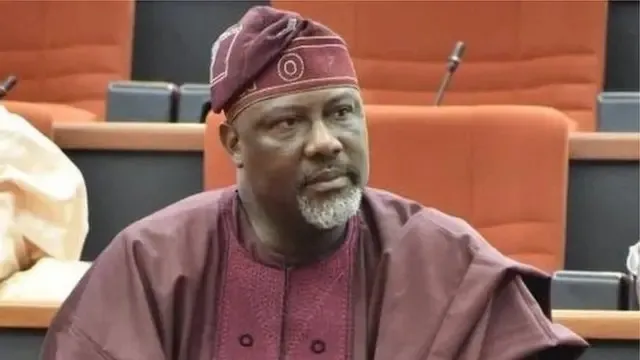
Melaye’s political positions are somewhat difficult to pin down, as he has:
Party Switching: Moved from PDP to ACN to APC and back to PDP, suggesting pragmatic rather than ideological motivations.
Populist Rhetoric: Employs populist language about fighting for the common people, though his lifestyle contradicts this image.
Anti-Establishment Posturing: Often positions himself as fighting against oppressive establishment figures, even when he himself is part of the political elite.
Issue Positions: Has taken positions on various issues, including fuel subsidy, minimum wage, and governance, though critics argue these are more opportunistic than principled.
Accomplishments and Positive Aspects
Despite controversies, Melaye’s supporters point to:
Fearlessness: Willingness to confront powerful political figures, including governors and presidents.
Entertainment Value: His dramatic personality has made politics more entertaining and accessible to many Nigerians.
Media Skills: Exceptional ability to generate media attention and shape narratives.
Constituency Projects: Claims of various projects delivered to his constituency, though these are disputed.
Vocal Opposition: During his Senate tenure, he was among the most vocal critics of government policies he disagreed.
Political Courage: Physical courage in confronting police and other security agencies during various standoffs.
Personal Life
Melaye has been married and has children, though he keeps much of his personal family life relatively private despite his otherwise public persona. He has faced various personal controversies, including disputes with former associates and allegations of domestic issues, though details remain largely private.
He is a Christian and occasionally references faith in his public statements, though critics question the consistency between his lifestyle and stated religious values.
Current Status and Future Prospects
As of 2025, Melaye remains a prominent figure in Nigerian politics despite lacking elective office:
PDP Chieftain: Maintains significant influence within the PDP, particularly in Kogi State and nationally.
Media Personality: Continues to command media attention and social media following.
Gubernatorial Ambitions: Likely to make future attempts to become Kogi State Governor or pursue other elective offices.
Party Spokesperson: Often serves in campaign spokesperson or party publicity roles.
Political Relevance: Despite electoral losses, it maintains relevance through media presence and party activities.
Legacy and Impact
Melaye’s legacy is deeply contested:
Supporters See Him As:
- A fearless voice against oppression
- An authentic, relatable politician who doesn’t pretend to be what he’s not
- An entertaining figure who makes politics accessible
- A fighter who refuses to be intimidated by powerful opponents
Critics View Him As:
- A symbol of Nigeria’s political dysfunction
- An unserious politician, more focused on entertainment than governance
- Someone whose credential controversies disqualify him from public office
- A representation of how style can triumph over substance in Nigerian politics
- An example of wealth accumulation disconnected from official earnings
Cultural Impact: Regardless of one’s assessment of his politics, Melaye has undeniably influenced Nigerian political culture, particularly in how politicians use social media, engage with entertainment, and maintain public profiles. He represents a particular type of Nigerian politician: flamboyant, controversial, media-savvy, and polarizing.
Reflection on Melaye’s Career
Dino Melaye embodies several contradictions of contemporary Nigerian politics: populist rhetoric alongside ostentatious wealth display, claims of fighting for common people while living in extraordinary luxury, a serious legislative position combined with an entertainment-focused public persona, and allegations of credential fraud alongside electoral success.
His career raises important questions: What do Nigerian voters value, is it entertainment or competence, style or substance? Can someone with serious credentials legitimately hold public office? Is fearless opposition valuable even when coming from questionable sources? How should society assess politicians who combine real courage with apparent character flaws?
Dino Melaye remains one of contemporary Nigeria’s most recognizable and controversial politicians. Whether viewed as a fearless fighter against oppression or as an unserious entertainer masquerading as a statesman, he has undeniably made his mark on Nigerian politics. His journey from student activist to House member to Senator to gubernatorial candidate reflects both the possibilities and pathologies of Nigerian politics, where charisma and media savvy can take one far, but where questions of character, credentials, and substance ultimately shape one’s legacy. As he continues his political career, seeking pathways back to power, Dino Melaye remains a fascinating, frustrating, and thoroughly Nigerian political phenomenon.