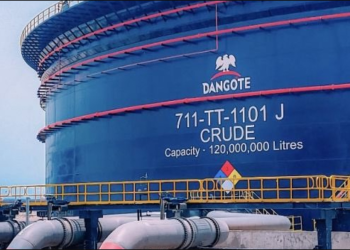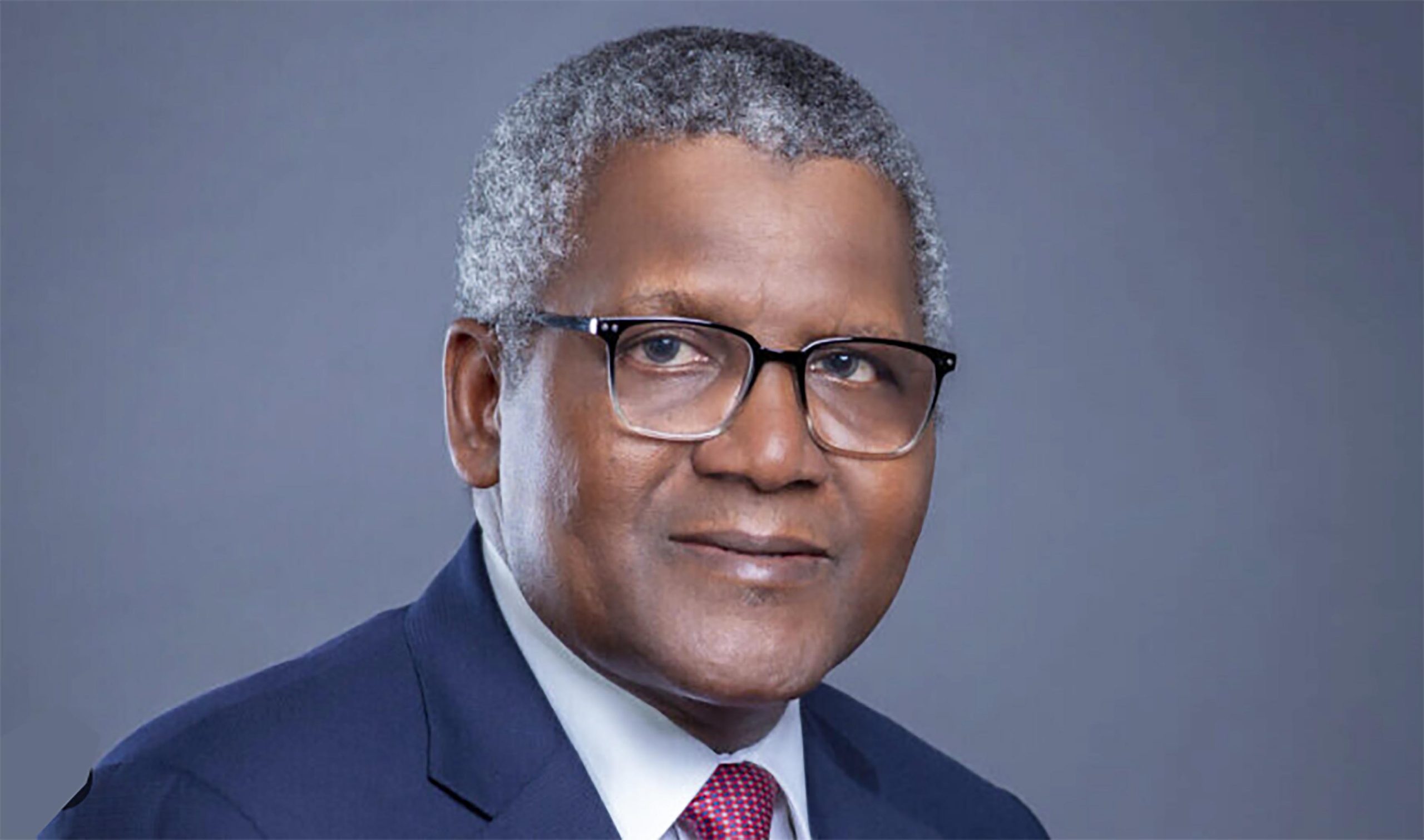
Africa’s richest person, Aliko Dangote, has applied to begin work on a seaport near his fertilizer and oil refinery plants to make it easier to export goods—including liquefied natural gas—and support the rapid growth of his industrial empire.
This ambitious project represents the latest chapter in Aliko Dangote’s unprecedented expansion of Nigeria’s industrial landscape. The proposed Atlantic seaport in Olokola, Ogun State, positions itself as a direct competitor to existing facilities, particularly the Chinese-backed Lekki Deep Sea Port that opened in 2023.
In a recent interview in Lagos, Dangote confirmed that his group submitted all required documentation in late June 2025 to begin work on what he called “the biggest, deepest port in Nigeria.” The timing is strategic, coming at a moment when Nigeria’s port infrastructure faces significant congestion challenges.
The economic implications of this development extend far beyond simple logistics. The new port will serve as a crucial link in Dangote’s integrated industrial ecosystem, connecting his $20 billion refinery in the Lekki Free Zone with his fertilizer complex. Currently, the billionaire exports urea and fertilizer through an on-site jetty he constructed, which also handles heavy equipment imports for his refinery operations.
What makes this project particularly significant is its potential to transform Nigeria’s liquefied natural gas export capabilities. Dangote plans to construct pipelines from Nigeria’s oil-rich Niger Delta region to facilitate gas exports, positioning his operation to challenge Nigeria LNG Ltd., currently the continent’s largest LNG exporter. This joint venture between the Nigerian government, Shell, Eni, and TotalEnergies has dominated the market for years.
The project’s location carries historical significance. The Olokola site was previously earmarked for Dangote’s refinery and fertilizer complex, but those plans were abandoned following disputes with local authorities. The resolution of these tensions under Nigeria’s current administration has cleared the path for this new venture.
The port development aligns with Nigeria’s broader infrastructure modernization efforts. Construction is expected to start soon, signaling a major step in Nigeria’s drive to upgrade port capacity and logistics. This expansion comes as Nigeria grapples with port congestion that has historically hampered trade efficiency and increased costs for businesses.
Beyond immediate operational benefits, the project reflects Dangote’s strategy of vertical integration across his industrial empire. His natural gas sourcing from the Niger Delta already supplies his fertilizer plant, where it serves as feedstock for hydrogen production in ammonia manufacturing. The new port will streamline this entire value chain while opening new export opportunities.
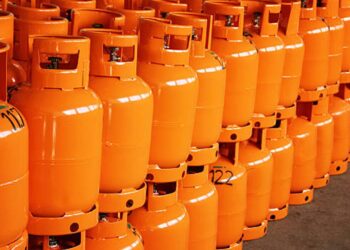
The timing coincides with Dangote’s plans to begin fuel distribution to Nigerian retailers in August, utilizing a fleet of 4,000 gas-powered trucks. This move has drawn criticism from some quarters, with accusations of attempting to monopolize the oil sector, which Dangote has firmly denied.
The billionaire’s expansion continues to reshape Nigeria’s economic landscape. With a net worth of $27.8 billion, according to the Bloomberg Billionaires Index, Dangote’s industrial empire spans cement manufacturing and sugar production and is increasingly dominating the energy sector across Africa.
This seaport project represents more than infrastructure development; it signals a fundamental shift in how Nigeria approaches industrial policy and export capabilities. As the country seeks to diversify its economy beyond crude oil exports, Dangote’s integrated approach to refining, fertilizer production, and now port operations could serve as a model for other African nations pursuing industrial transformation.
The success of this venture is likely to influence Nigeria’s position in regional trade networks and its ability to compete with established ports across West Africa. With the project’s approval process underway, industry observers will be closely watching to see how this development affects Nigeria’s broader economic trajectory and Dangote’s continued influence on the continent’s industrial future.
WHAT YOU SHOULD KNOW
Africa’s richest man, Aliko Dangote, is building what he calls “the biggest, deepest port in Nigeria” in Olokola, Ogun State, after submitting permits in late June 2025.
This $27.8 billion new seaport will directly compete with existing facilities like the Chinese-funded Lekki Deep Sea Port while serving its massive refinery and fertilizer operations.