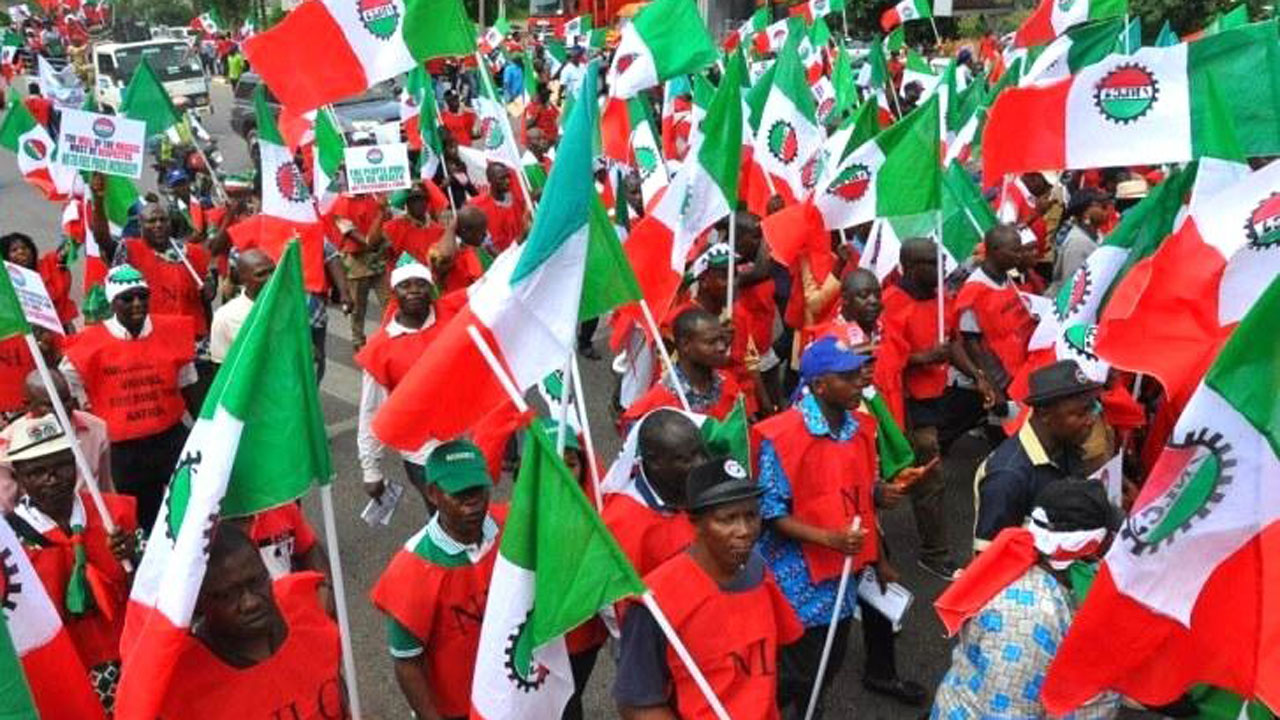
Justice Emmanuel Subilim of the National Industrial Court has issued an interim order restraining the Nigeria Labour Congress (NLC), the Trade Union Congress (TUC), and three other parties from embarking on any form of industrial action or protest.
The order followed an ex-parte application filed by the Minister of the Federal Capital Territory (FCT), Nyesom Wike, and the FCT Administration. In his ruling, Justice Subilim restrained the 1st to 5th respondents, as well as their agents and affiliates, from proceeding with any strike or protest pending the hearing of a motion on notice.

The judge also directed the 5th to 9th defendants, who are security agencies, to ensure that there is no breakdown of law and order within the FCT.
According to submissions by counsel to Wike and the FCTA, Ogwu Onoja, the Chairman of the FCT council had circulated a mobilisation message to union members and affiliated bodies for a mass protest scheduled for February 3. He argued that the planned protest was in violation of existing court orders.
Onoja further told the court that after an earlier ruling delivered on January 27, the court order was duly served on the defendants the same day. Despite this, the NLC and TUC allegedly issued a joint statement to all affiliated unions, directing them to intensify and sustain the ongoing strike.
The statement, jointly signed by the two labour centres, reportedly instructed striking workers to continue the action on the grounds that their counsel, Femi Falana, had filed an appeal against the interlocutory ruling of the court.
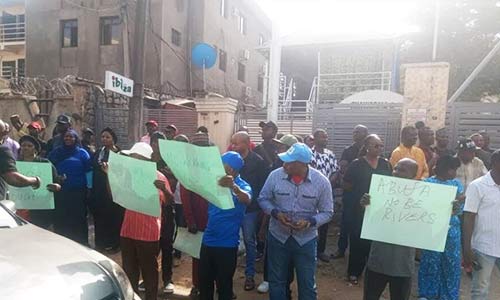
It was also submitted that the Joint Union Action Committee (JUAC) subsequently issued a circular directing all employees to remain on strike. Counsel argued that these actions were capable of causing a breakdown of law and order in the nation’s capital.
Following the ruling, the court adjourned the matter until February 10 for hearing.
What you should know
The interim order is part of an ongoing legal battle between organised labour and the FCT Administration over strike actions by FCDA workers.
While labour unions insist on their right to protest and pursue outstanding welfare demands, the FCT authorities are relying on court orders to prevent disruptions to governance and public order in Abuja.
The outcome of the next hearing will determine whether the restraint on the unions will be lifted or sustained.