Introduction
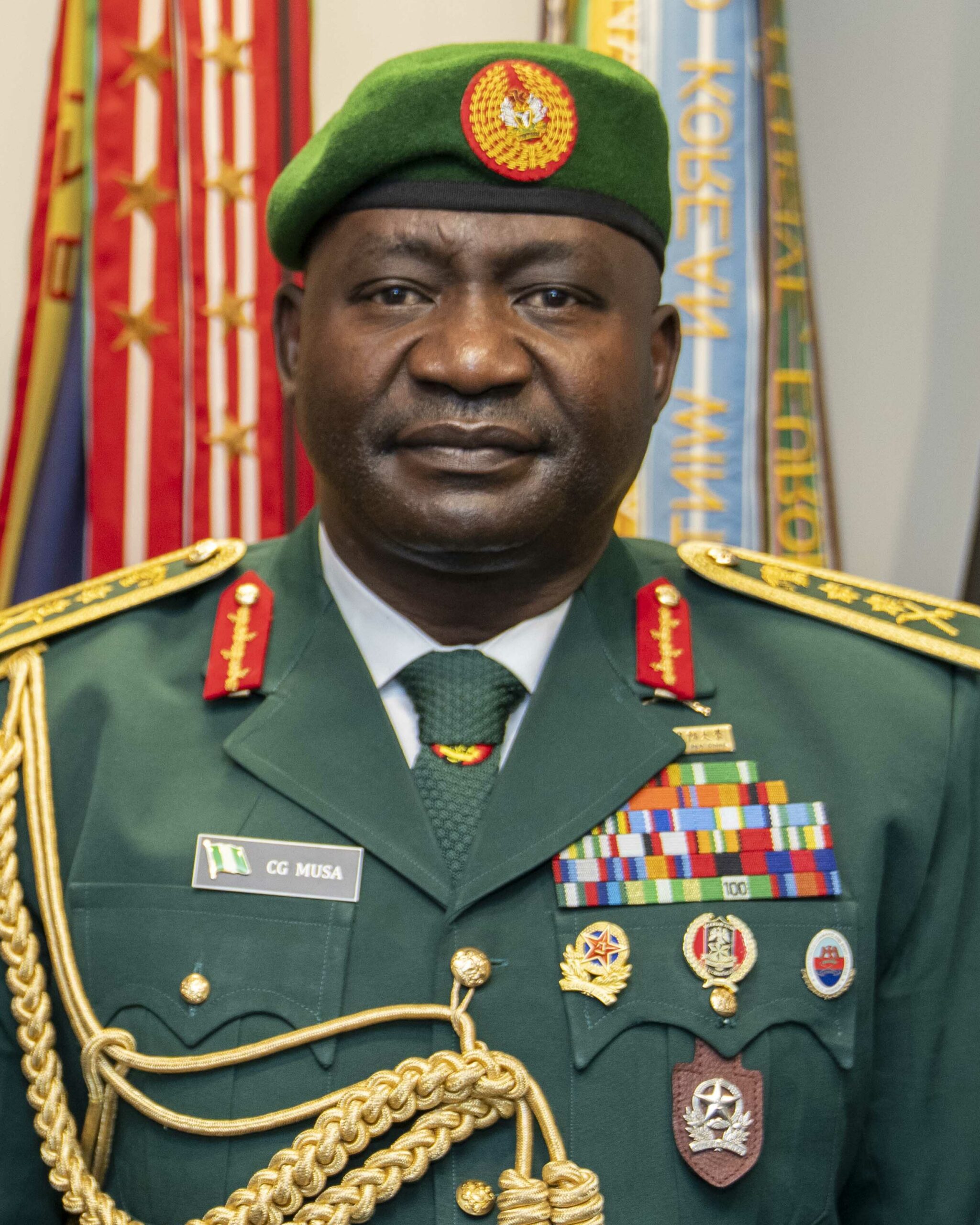
In the complex theatre of Nigerian military leadership, few officers have risen as rapidly and controversially as General Christopher Gwabin Musa, OFR. From his commissioning as a Second Lieutenant in 1991 to becoming Nigeria’s 18th Chief of Defence Staff in 2023, and now serving as Minister of Defence since December 2025, General Musa’s career embodies both the promise of professional military excellence and the persistent shadows of Nigeria’s most contentious security operations. His leadership during critical counter-insurgency campaigns against Boko Haram, his international recognition, including the prestigious Colin Powell Award, and his current pivotal role in shaping Nigeria’s defence policy make him one of the most consequential military figures of his generation. Yet his career trajectory passes through the dark valley of the 2015 Zaria massacre of Shiite Muslims, an incident that continues to haunt his legacy and raise uncomfortable questions about accountability in Nigeria’s armed forces.
Early Life and Formative Years
Christopher Gwabin Musa was born on December 25, 1967, in Sokoto, in what was then the North-Western State of Nigeria. While born in Sokoto, a predominantly Muslim northern city, Musa hails from Zangon Kataf Local Government Area in Southern Kaduna State, a predominantly Christian region of Nigeria’s volatile Middle Belt.
His parents, Musa Sukwai Gwabin and Asabe Sabanet, were devoted leaders in the ECWA Church (Evangelical Church Winning All) in Sokoto, raising their son in a disciplined Christian household that emphasized education, integrity, and service. This religious upbringing in a predominantly Muslim environment shaped young Christopher’s ability to navigate Nigeria’s complex ethno-religious landscape, a skill that would prove invaluable throughout his military career.
Growing up as a Christian minority in Sokoto during the 1970s and 1980s required resilience, adaptability, and cultural sensitivity, qualities that would later define Musa’s leadership style. His ethnic identity as a member of the Tyap (Atyap) ethnic group from Southern Kaduna connected him to one of the Middle Belt’s most politically active communities, which have long advocated for greater representation in Nigeria’s military and political leadership.
Educational Journey: From Sokoto to Beijing
Primary and Secondary Education
Musa began his educational journey at Marafa Danbaba Primary School in Sokoto in 1974, later transferring to Model Primary School on Dorowa Road, Sokoto, from 1978 to 1980. After completing primary school, he underwent vocational training at the Vocational Training Centre in Gaummi, Sokoto, from 1980 to 1981, an experience that instilled practical skills and work discipline.
In 1981, Musa enrolled at Federal Government College, Sokoto, one of Nigeria’s prestigious unity schools designed to foster national integration. He completed his O-levels in 1985, having been an active member of the National Cadet Corps, a paramilitary organization that introduces secondary school students to military discipline and training. This early exposure to military structure sparked his interest in a military career.
Nigerian Defence Academy
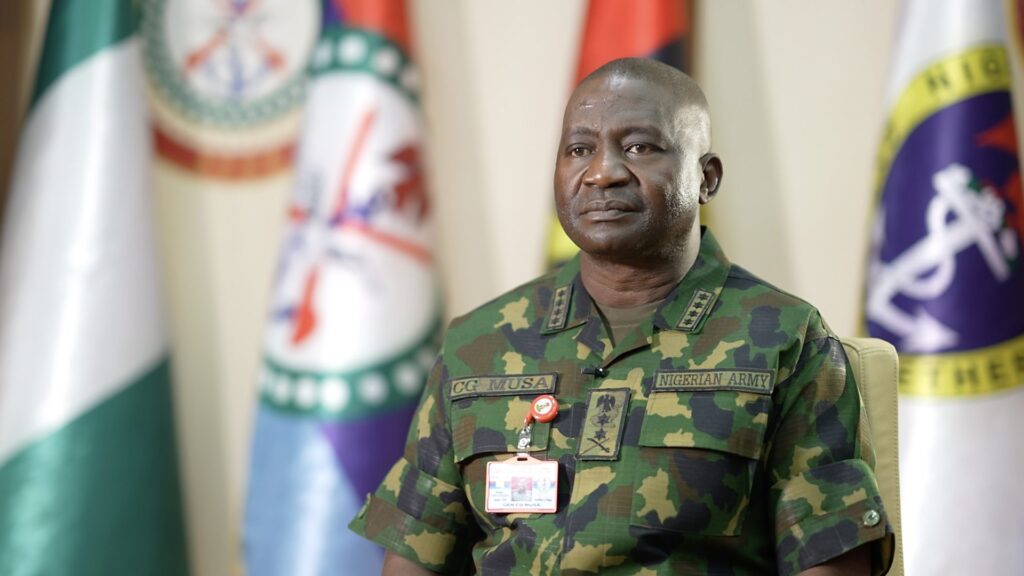
After secondary school, Musa attended the College of Advanced Studies, Zaria, in 1985-1986, preparing for entry into the Nigerian Defence Academy. In 1986, he gained admission to the Nigerian Defence Academy (NDA) in Kaduna as a member of the 38th Regular Course.
The NDA provided Musa with rigorous five-year military and academic training during a period when Nigeria was under military rule. He graduated in 1991 with a Bachelor of Science (Honours) degree, and on September 21, 1991, he was commissioned as a Second Lieutenant into the Nigerian Army Infantry Corps, one of the most physically and psychologically demanding branches of the military, responsible for engaging and destroying enemy ground forces.
Advanced Military Education
Throughout his career, Musa pursued continuous professional development through numerous courses and advanced degrees:
Domestic Courses:
- Young Officers Course (Infantry) – Nigerian Army School of Infantry, Jaji
- Passed Staff Course (PSC) – Armed Forces Command and Staff College, Jaji (2004-2005)
- Commanding Officers Course – Nigerian Army School of Infantry, Jaji
- Advanced Diploma in Security Management – University of Lagos (2007-2008)
International Training:
- Advanced Diploma in Defence and Strategic Studies – International College of Defence Studies, National Defence University (ICDS-NDU), Changping, China (2012-2013)
- Master of Science (Military Science) – ICDS-NDU, China (2013)
- Combined Joint Land Component Commander’s Leadership Course – United States Army War College (2017)
This diverse educational portfolio, spanning Nigerian, Chinese, and American military institutions, equipped Musa with international perspectives on modern warfare, counterinsurgency doctrine, and strategic leadership.
Military Career: Three Decades of Service
Early Career and UN Peacekeeping (1991-2006)
After commissioning, Musa began his career with standard postings for junior officers:
- Platoon Commander, 195 Battalion (1991-1995)
- Administrative Officer, 2 Division Camp (Garrison) (1995-1999)
- Pioneer Adjutant, 195 Battalion (2000)
- Operations Officer, NIBATT 8, UNAMSIL (Sierra Leone peacekeeping mission, 2001-2002)
- Second-in-Command, 195 Battalion (2002-2003)
- Second-in-Command, 149 Battalion (2005-2006)
His UN peacekeeping deployment to Sierra Leone during the brutal civil war provided invaluable experience in complex humanitarian emergencies, civil-military relations, and multinational force coordination. For this service, he received the UNAMSIL Medal in 2002.
Mid-Career Command and Staff Positions (2006-2017)
As Musa progressed through the ranks, he held increasingly strategic positions:
- General Staff Officer 1 (Training/Operations), HQ 81 Division (2006-2007)
- Commanding Officer, 73 Battalion (2007-2009) – Earned Command Medal
- Assistant Director, Operational Requirements, Department of Army Policy and Plans (2009-2011)
- Infantry Representative/Member Training Team, HQ Nigerian Army Armour Corps (2011-2012)
- Deputy Chief of Staff (Training/Operations), HQ Infantry Centre and Corps (2013-2014)
- Chief of Staff, HQ 2 Division (2014-2015)
- Commandant, Nigerian Army Depot, Zaria (2015-2017)
- Principal Staff Officer (Combat Arms), Army HQ Department of Projects and Programmes (2017)
- Pioneer Executive Director, Nigerian Army Farms and Ranches Ltd (2017)
The Zaria Massacre: A Dark Chapter (December 2015)
Musa’s tenure as Commandant of the Nigerian Army Depot, Zaria, coincided with one of the most controversial incidents in recent Nigerian military history. On December 12, 2015, while preparing to host then-Chief of Army Staff Lieutenant-General Tukur Buratai at a passing-out parade for recruits, a violent confrontation erupted between the military and members of the Islamic Movement of Nigeria (IMN), a Shiite Muslim organization.
The Incident: IMN members were holding a religious procession when they allegedly blocked General Buratai’s convoy. Soldiers under Musa’s command structure responded with overwhelming force, killing at least 348 Shiites (some reports suggest over 1,000), including women and children. Bodies were reportedly buried in mass graves to conceal the scale of the killings.
Aftermath: The massacre sparked international outrage, with human rights organizations condemning it as a potential crime against humanity. In December 2016, the International Criminal Court announced a preliminary examination into the incident.
Consequences for Musa: Following the massacre, Musa and Major General Benson Akinroluyo (then-Commander of Operation Lafiya Dole) were both redeployed to the Training and Doctrine Command (TRADOC) in Niger State, a move widely interpreted as punishment. However, neither officer faced criminal prosecution or court-martial.
Legacy: The Zaria massacre remains a stain on the Nigerian military’s human rights record and a controversial element of Musa’s career. Critics argue that accountability for mass atrocities remains elusive in Nigeria, while defenders note that Musa was following orders in a command structure and cannot be solely blamed for the incident.
Counter-Insurgency Leadership (2018-2023)
Despite the Zaria controversy, Musa’s career continued to advance, particularly in counter-insurgency operations:
- Commander, 82 Division Task Force Brigade, Operation LAST HOLD (Northeast Nigeria, 2018)
- Deputy Chief of Staff (Training/Operations), HQ Infantry Centre and Corps (2019)
- Commander, Sector 3, Operation Lafiya Dole (counter-insurgency against Boko Haram, 2019)
- Commander, Sector 3, Multinational Joint Task Force (MNJTF) (Lake Chad Region, coordinating with Chad, Niger, and Cameroon, 2019-2021)
- Theatre Commander, Operation Hadin Kai (renamed from Operation Lafiya Dole, 2021-2022)
- Commandant/Commander, Nigerian Army Infantry Corps, Jaji (2022-2023)
His leadership of Operation Hadin Kai, Nigeria’s flagship counter-terrorism campaign in the Northeast, was widely praised for tactical successes against Boko Haram and ISWAP, improved civil-military cooperation, and enhanced coordination with international partners.
Chief of Defence Staff (2023-2025)
Appointment
On June 19, 2023, President Bola Ahmed Tinubu appointed Major General Christopher Musa as Nigeria’s 18th Chief of Defence Staff, simultaneously promoting him to the rank of General, a four-star rank. The Senate confirmed his appointment on July 13, 2023.
This appointment made Musa the professional head of the Nigerian Armed Forces and principal military adviser to the President, responsible for coordinating Army, Navy, and Air Force operations across Nigeria’s multiple security theatres.
Strategic Initiatives as CDS
During his 28-month tenure (June 2023 – October 2025), General Musa implemented several strategic initiatives:
Technological Modernization: Integration of surveillance drones (UAVs), intelligence systems, and modern communication equipment, moving Nigeria’s military toward 21st-century warfare capabilities.
Joint Operations Doctrine: Emphasis on inter-service cooperation, breaking down traditional rivalries between the Army, Navy, and Air Force for more effective combined operations.
Civil-Military Cooperation: Construction of schools and healthcare facilities in conflict-affected communities, improving military-civilian relations.
Regional Security Coordination: Enhanced cooperation with neighboring countries through ECOWAS and the Lake Chad Basin Commission to address transnational security threats.
Counter-Terrorism Focus: Intensified operations against Boko Haram, ISWAP, bandits in the Northwest, and separatist groups in the Southeast.
Retirement
On October 30, 2025, General Musa retired from active military service after reaching the mandatory retirement age. His retirement came amid ongoing security challenges across multiple Nigerian regions, with critics arguing that despite tactical successes, strategic insecurity persisted.
Minister of Defence (December 2025-Present)
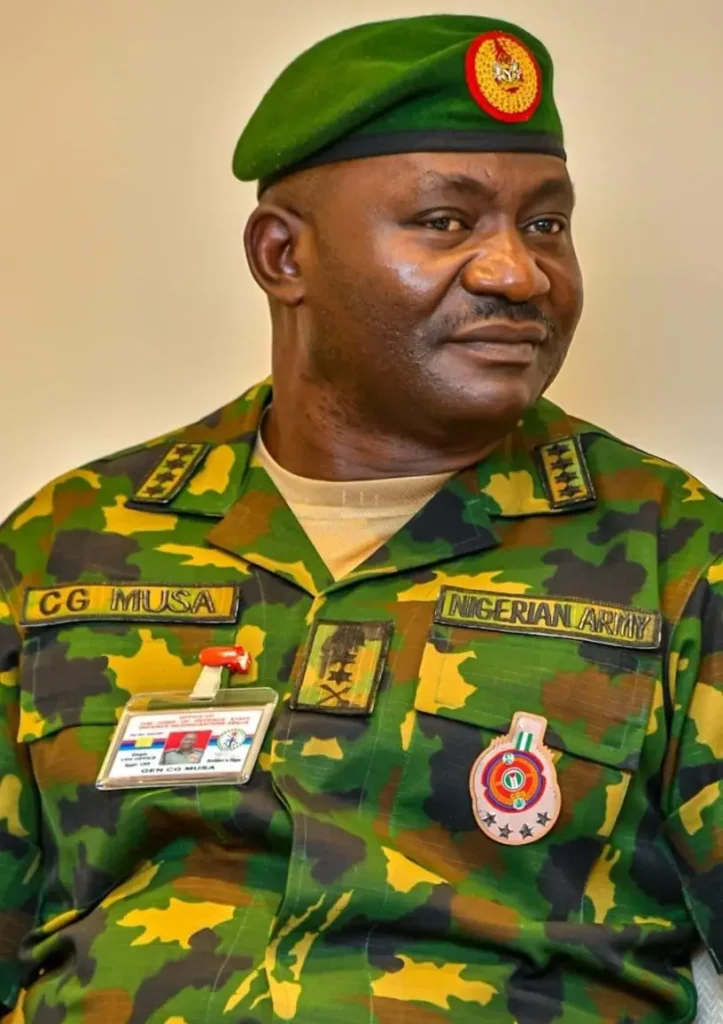
Appointment
Following the resignation of Alhaji Mohammed Badaru Abubakar as Minister of Defence due to health reasons, President Tinubu nominated General Musa as his replacement on December 2, 2025. After a rigorous five-hour screening by the Senate on December 4, 2025, his appointment was confirmed.
At 58 years old, Musa became Nigeria’s Minister of Defence, transitioning from operational military leadership to political oversight of the entire defence establishment.
Significance of the Appointment
Musa’s appointment as Defence Minister immediately after retiring as Chief of Defence Staff is unusual but not unprecedented in Nigerian politics. It signals:
- Continuity: President Tinubu values Musa’s operational experience and strategic vision
- Trust: The president has confidence in Musa’s ability to implement defence reforms
- Experience: Musa’s recent CDS tenure gives him an unparalleled understanding of current security challenges
Early Actions
On December 1, 2025, before his formal appointment, Musa held a closed-door meeting with President Tinubu at Aso Rock Villa. The meeting, believed to focus on escalating insecurity, including high-profile kidnappings in northern Nigeria, demonstrated that the president was already consulting him as a trusted security adviser.
Awards, Honours, and Recognition
General Musa has received numerous prestigious awards throughout his distinguished career:
International Recognition:
- Colin Powell Meritorious Award for Soldiering (2022)
- Nelson Mandela Exemplary Leadership Award (African Youth Initiative for Good Governance and Peace, 2022)
- Fellowship, Institute of Leadership Assessment and Development (Dubai, 2022)
National Honours:
- Officer of the Order of the Federal Republic (OFR)
Military Decorations:
- Grand Service Star (GSS)
- Distinguished Service Star (multiple awards: 2015, 2016)
- Field Commander Medal of Honour
- Meritorious Service Star (2009)
- Forces Service Star (2003)
- Nigerian Army Medal
- Chief of Army Staff Commendation Award (2009)
- Silver Jubilee Medal (2010)
- Centenary Medal (2014)
- Operation LAFIYA DOLE Medal (2019)
- Operation LAST HOLD Medal (2018)
- MNJTF Medal (2021)
Traditional Honours:
- Tsuung Atyap (“Pillar of Atyap”) – conferred by HH Sir Dominic Yahaya, the Agwatyap (traditional ruler of the Atyap people), on December 31, 2023, alongside his wife
Personal Life and Family
General Christopher Musa is married to Mrs. Lilian Oghogho Musa, a devoted partner who has supported him throughout his extensive military career. The couple has been blessed with four children.
Despite his high-profile career, Musa maintains significant privacy around his family life, rarely discussing his children publicly. He has emphasized in interviews the importance of domestic stability for military officers facing the stresses of combat operations and strategic responsibilities.
His wife was honoured alongside him with the title Tsuung Atyap in 2023, recognizing her own contributions to their community and her support for her husband’s service.
Faith and Values
As a devout Christian raised in the ECWA Church, Musa’s faith has been a guiding force throughout his life. His ability to navigate Nigeria’s complex religious landscape, growing up Christian in Muslim-majority Sokoto, commanding troops across diverse ethnic and religious regions, reflects values of tolerance and national unity that transcend sectarian divisions.
Net Worth and Financial Standing
As of 2025, General Musa’s estimated net worth ranges between $800,000 $1.5 million. This wealth derives primarily from:
- Accumulated military salaries and allowances over 34 years
- Retirement benefits
- Legitimate investments
- Current ministerial salary and allowances
Public information suggests Musa maintains a lifestyle appropriate to his rank without ostentatious displays of wealth, consistent with a professional military officer living primarily on official compensation.
Legacy and Future Outlook
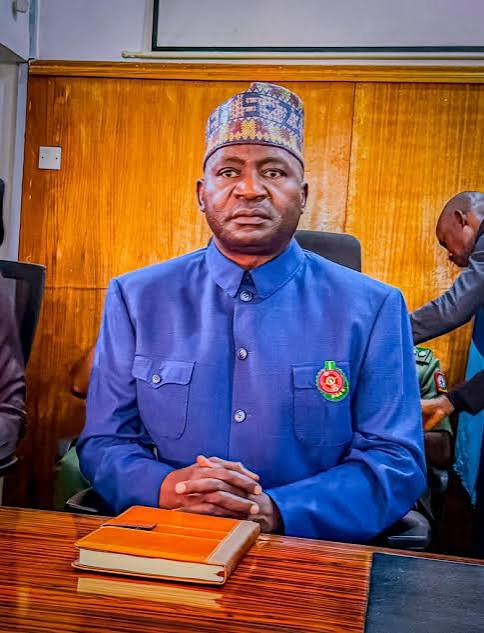
Achievements
General Musa’s legacy includes:
- 34 years of distinguished military service across peacekeeping, training, and combat operations
- Successful counter-insurgency leadership that degraded Boko Haram and ISWAP capabilities
- International recognition through prestigious awards
- Institutional modernization of Nigeria’s armed forces
- Regional security cooperation through multinational frameworks
Controversies
His legacy is complicated by:
- The 2015 Zaria massacre – questions about command responsibility remain unresolved
- Persistent insecurity despite tactical successes – strategic peace remains elusive
- Human rights concerns regarding military operations in civilian areas
Current Challenges as Defence Minister
As Minister of Defence in 2025-2026, Musa faces formidable challenges:
- Escalating banditry in Northwest Nigeria with mass kidnappings
- Persistent Boko Haram/ISWAP presence in the Northeast
- Separatist agitations in the Southeast
- Communal conflicts across the Middle Belt
- Limited defence budget constraining modernization efforts
- Low military morale due to welfare concerns
- International scrutiny over human rights compliance
Conclusion: A Career at the Crossroads
General Christopher Gwabin Musa stands today as one of Nigeria’s most experienced and consequential military leaders. His journey from a Second Lieutenant in 1991 to Minister of Defence in 2025 demonstrates exceptional professional competence, strategic vision, and political acumen.
Yet his career also embodies the moral complexities facing Nigeria’s security forces: the tension between operational effectiveness and human rights compliance; the challenge of achieving lasting peace through military means; and the question of accountability when security operations result in civilian casualties.
As he assumes ministerial responsibilities at a moment of acute national security crisis, General Musa carries the hopes of millions of Nigerians desperate for peace, security, and development. His success or failure in this role will ultimately determine whether his legacy is defined by his operational achievements and international recognition, or by the unresolved questions surrounding the Zaria massacre and Nigeria’s persistent insecurity.
For now, Nigeria’s defence establishment, and by extension, the nation’s security, rests in the hands of this career infantry officer who has seen Nigeria’s security challenges from every angle: as a young lieutenant, as a battalion commander, as a theatre commander, as Chief of Defence Staff, and now as the civilian political head overseeing the entire military apparatus.
The stage is set. The challenges are immense. And General Christopher Gwabin Musa’s place in Nigerian history will be written in the outcomes of the battles, both military and political, that lie ahead.
Quick Reference: General Christopher Gwabin Musa at a Glance
Full Name: Christopher Gwabin Musa, OFR
Date of Birth: December 25, 1967
Age: 58 years (as of December 2025)
Place of Birth: Sokoto, Sokoto State
State of Origin: Kaduna State (Zangon Kataf LGA)
Ethnic Group: Tyap (Atyap)
Religion: Christianity (ECWA Church)
Education:
- Federal Government College, Sokoto (1981-1985)
- Nigerian Defence Academy, 38th Regular Course (1986-1991)
- B.Sc. (Honours), NDA (1991)
- Advanced Diploma in Security Management, UNILAG (2008)
- M.Sc. (Military Science), National Defence University, China (2013)
- Combined Joint Land Component Commander’s Course, US Army War College (2017)
Military Career:
- Commissioned: September 21, 1991 (Second Lieutenant, Infantry Corps)
- Chief of Defence Staff: June 19, 2023 – October 30, 2025 (18th CDS)
- Retired: October 30, 2025 (General – four-star rank)
Current Position: Minister of Defence (December 2025-Present)
Key Commands:
- Theatre Commander, Operation Hadin Kai (2021-2022)
- Commander, Nigerian Army Infantry Corps (2022-2023)
- Commandant, Nigerian Army Depot, Zaria (2015-2017)
Wife: Mrs. Lilian Oghogho Musa
Children: Four
Traditional Title: Tsuung Atyap (“Pillar of Atyap”)
Major Awards:
- Colin Powell Meritorious Award for Soldiering (2022)
- Nelson Mandela Exemplary Leadership Award (2022)
- Officer of the Order of the Federal Republic (OFR)
- Grand Service Star (GSS)
- Multiple Distinguished Service Stars
Net Worth: $800,000 – $1.5 million (2025 estimate)
Major Controversy: 2015 Zaria massacre of Shiite Muslims (348+ deaths)
Known For: Counter-insurgency leadership, Operation Hadin Kai success, international military education, rapid promotion to CDS, transition to Minister of Defence