China’s once-robust export sector stumbled in October, recording its first contraction in eight months as mounting trade friction with the United States rattled the world’s second-largest economy during the crucial period leading up to a tentative truce between Presidents Xi Jinping and Donald Trump.
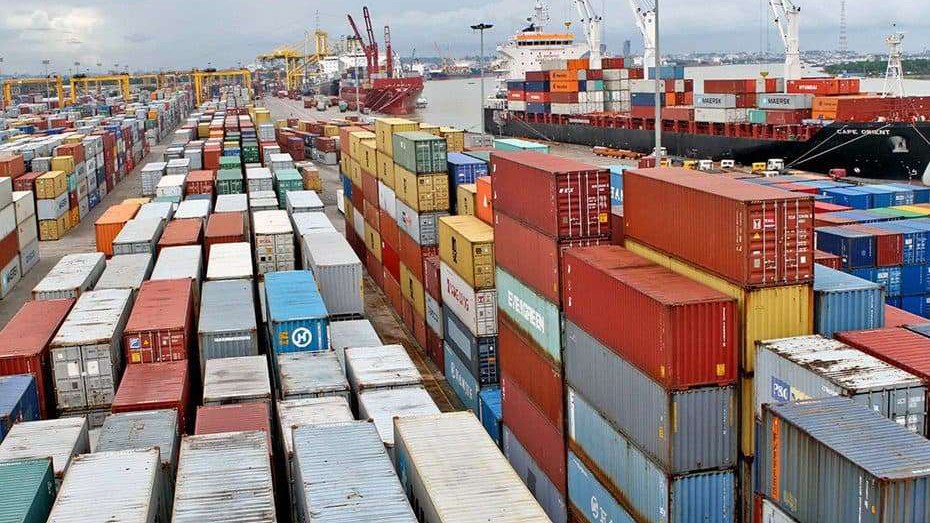
Official figures released Friday by China’s General Administration of Customs revealed that exports fell 1.1 percent year-on-year last month, a sharp reversal that caught economists off guard. The decline significantly undershot Bloomberg’s consensus forecast, which had predicted a 2.9 percent rise, and marked a troubling turn for an economy heavily dependent on international trade.
Import growth also disappointed, crawling forward at just 1.0 percent—well below September’s stronger performance and missing the anticipated 2.7 percent increase projected by analysts.
Détente Offers Breathing Room
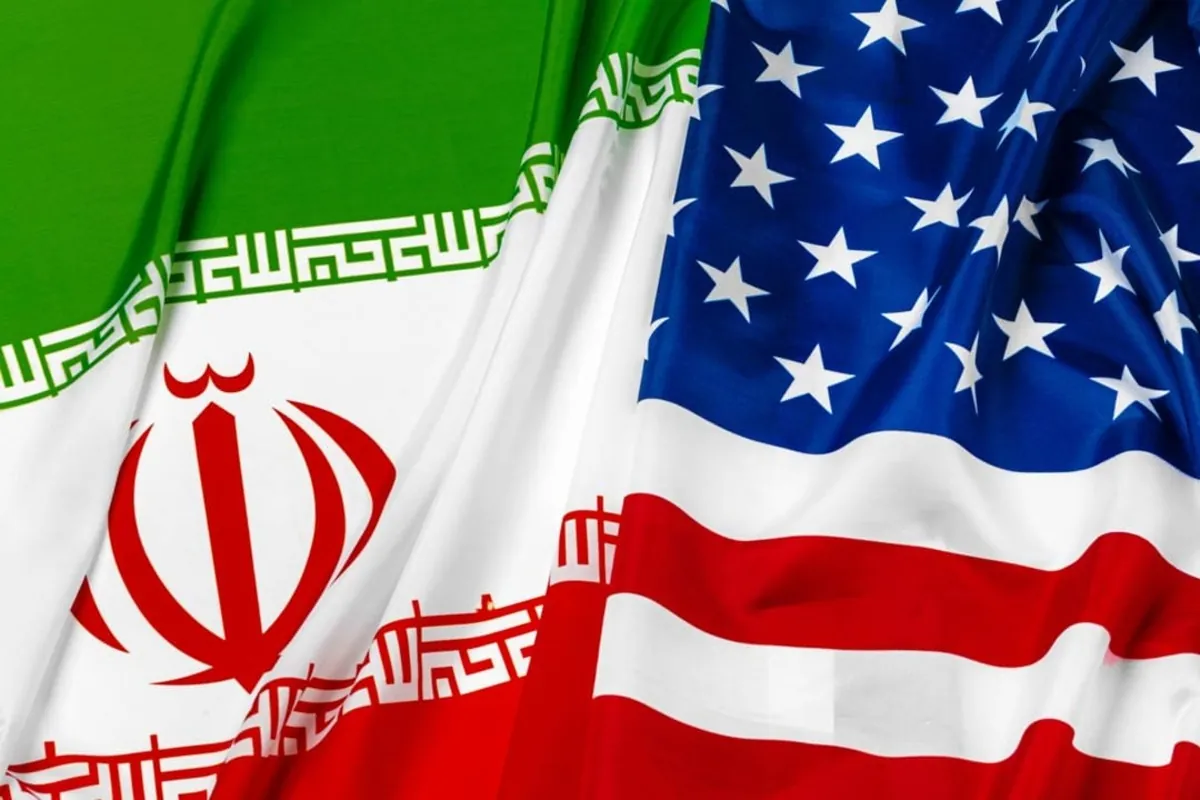
The disappointing trade figures emerged against the backdrop of what both nations have described as a breakthrough in their prolonged economic standoff. Xi and Trump’s meeting in South Korea at the end of October produced a year-long suspension of escalating tariff measures that had threatened to further destabilize global supply chains.
Under the agreement, Washington cut its blanket tariff on Chinese goods in half, bringing the rate down to 10 percent. In return, Beijing relaxed its controversial restrictions on rare earth exports—a sector where China maintains near-total dominance and which is critical to defense contractors and automobile manufacturers worldwide. The easing provided particular relief to European businesses caught in the crossfire of the U.S.-China dispute.
China also eliminated additional tariffs on key American agricultural exports, including soybeans, throwing a lifeline to U.S. farmers who form a crucial constituency in Trump’s political base.
The Frontloading Phenomenon
Industry analysts point to a strategic behavior by Chinese exporters as a key factor behind October’s downturn. Zhiwei Zhang, an economist at Pinpoint Asset Management, explained that companies had been “frontloading their trade in order to avoid high tariffs in the US” in preceding months.
The customs data illustrates this pattern clearly: Chinese shipments to the United States surged 8.6 percent in September compared to August, following an 11.8 percent month-on-month decline from July. Meanwhile, October saw Chinese imports from the United States plummet 11.6 percent month-on-month, even as exports to America managed a modest 1.8 percent increase.
“It seems the frontloading finally faded in October,” Zhang noted. “As the trade war is put on hold for one year, exports will likely normalize.”
High-Stakes Brinkmanship
The current pause in hostilities comes after months of increasingly aggressive measures between the two economic superpowers. Beijing announced fresh restrictions on rare earth technology exports just last month, leveraging its dominant position in a sector vital to high-tech manufacturing and national security applications.
The move prompted Trump to threaten an additional 100 percent tariff on Chinese goods—a warning that could have devastated bilateral trade. However, the South Korea summit defused the immediate crisis, with Trump characterizing the meeting as a “great success” and the first face-to-face encounter between the two leaders since 2019.
Challenges Ahead
Despite the temporary reprieve, significant challenges loom for China’s economic managers. Zhang warned that the weakening export momentum means “China needs to rely more on domestic demand” to sustain economic growth.
This shift comes at a delicate time for Beijing, which has been grappling with a cooling property sector, high youth unemployment, and lingering effects from its stringent pandemic-era policies. The year-long pause in the trade war provides breathing room, but economists caution that underlying tensions remain unresolved.
The October trade figures serve as a stark reminder of how vulnerable even the world’s largest economies remain to diplomatic friction and policy uncertainty. With both nations having agreed only to a temporary truce, businesses and policymakers worldwide will be watching closely to see whether this détente can evolve into a more durable framework—or whether it merely represents the calm before another storm.
The customs administration is scheduled to release November trade data next month, which will provide the first clear picture of how commerce is adjusting to the new, if temporary, status quo.
WHAT YOU SHOULD KNOW
China’s exports fell 1.1% in October—the first decline in eight months—primarily because Chinese companies had been rushing shipments to the U.S. in previous months to beat expected tariffs, a strategy known as “frontloading.” Once this artificial surge ended, exports normalized downward.
The immediate crisis has been defused by a Xi-Trump meeting that paused their trade war for one year, with both sides rolling back some tariffs. However, this is only a temporary truce, and China now faces the challenge of shifting from export-driven growth to relying more heavily on domestic consumption—a difficult transition for an economy still grappling with internal headwinds.
The export slump reflects timing more than fundamental weakness, but the underlying U.S.-China tensions remain unresolved, and the clock is ticking on their one-year pause.