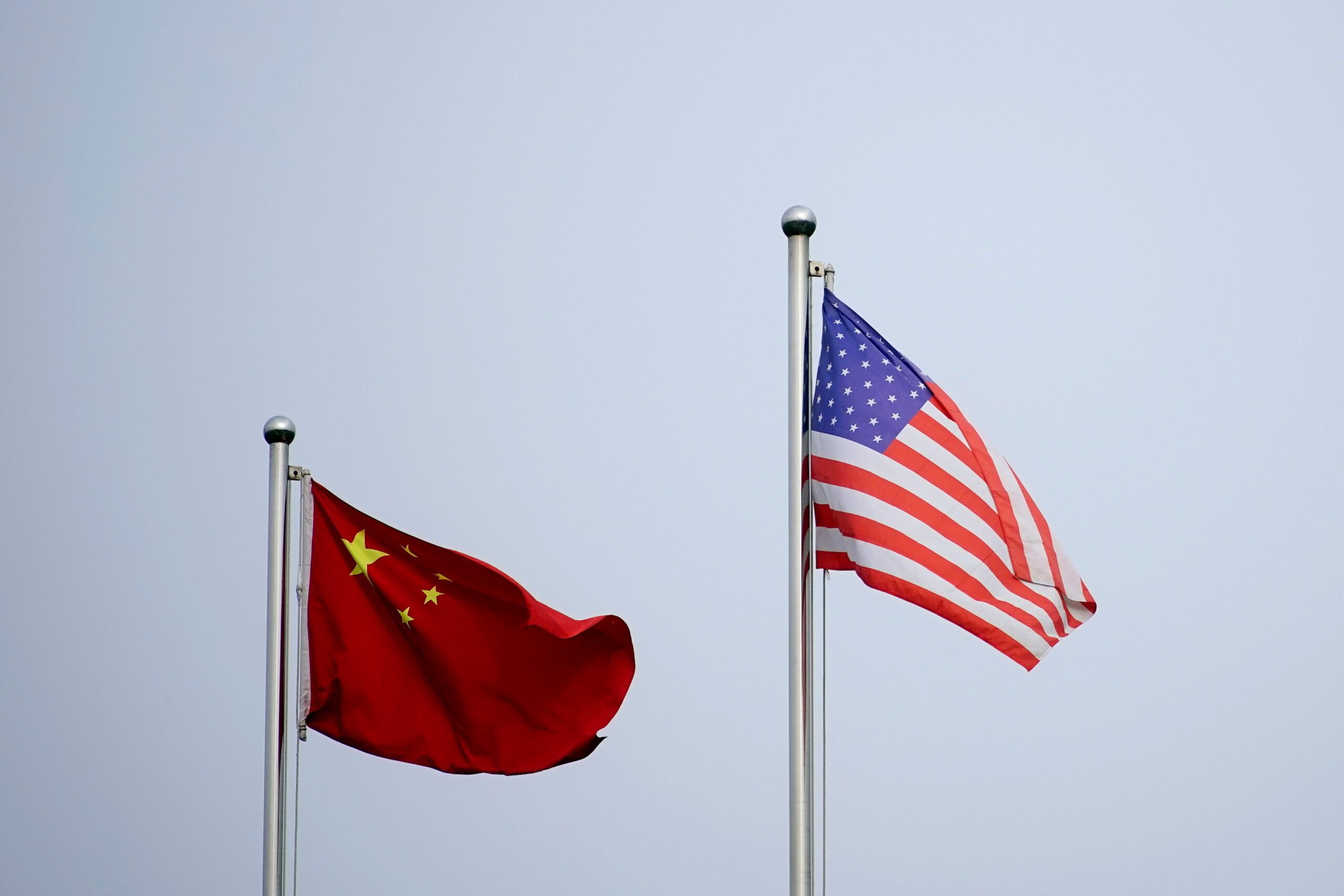
China is pressing the United States to relax export restrictions on artificial intelligence chips as a precondition for a comprehensive trade agreement, according to a Financial Times report that underscores the mounting pressure on both nations to resolve their technological standoff.
The latest diplomatic maneuvering comes as the Trump administration weighs whether to pursue a high-stakes summit with Chinese President Xi Jinping, with semiconductor controls emerging as a central bargaining chip in what observers describe as the most consequential trade negotiations in years.
According to sources familiar with the discussions, Chinese officials have specifically targeted U.S. restrictions on high-bandwidth memory (HBM) chips, which serve as the backbone of advanced AI systems. These specialized components work in tandem with graphics processing units, particularly those manufactured by industry leader Nvidia, to handle the massive data requirements of artificial intelligence applications.
The timing of China’s demands is particularly significant, coming amid a 90-day tariff suspension agreement reached in May following economic meetings in Geneva. However, recent reports suggest negotiations have hit turbulence, with trade talks in Stockholm concluding without clear progress toward preventing tariffs from returning to prohibitively high levels.
For Beijing, the stakes could hardly be higher. Chinese technology giants like Huawei have found their AI development capabilities severely constrained by current U.S. export controls, limiting their ability to compete in the global race for artificial intelligence supremacy. The restrictions have effectively created a technological chokepoint that Chinese officials view as hampering their nation’s digital transformation ambitions.
From Washington’s perspective, the export controls represent a cornerstone of its strategy to maintain technological leadership over China, particularly in areas with potential military applications. Successive administrations have treated advanced semiconductor restrictions as essential national security measures, designed to prevent China from leveraging American technology to enhance its defense capabilities.
The semiconductor industry finds itself caught in the middle of this geopolitical chess match. While U.S. chipmakers have seen their access to China—one of the world’s largest semiconductor markets—severely restricted, the Chinese market remains a crucial revenue source that companies are reluctant to abandon entirely.
Industry analysts note that any relaxation of export controls would likely face significant pushback from national security hawks in Congress and the Pentagon, who view China’s AI advancement as a direct threat to American strategic interests. Export controls have anchored America’s strategy for economic warfare with Beijing for years, making any concessions politically sensitive.
The broader implications extend beyond bilateral trade relations. As artificial intelligence becomes increasingly central to economic competitiveness and military capability, the outcome of these negotiations could reshape the global technology landscape for decades to come.
Neither the White House, the State Department, nor China’s foreign ministry immediately responded to requests for comment on the reported discussions, reflecting the sensitive nature of the ongoing negotiations.
With both sides facing domestic pressure to deliver results, the coming weeks will likely prove decisive in determining whether technological competition or economic cooperation will define the next chapter of U.S.-China relations.
WHAT YOU SHOULD KNOW
China is demanding the U.S. ease restrictions on AI chips—specifically high-bandwidth memory chips used in artificial intelligence systems – as a condition for any trade deal before a potential Trump-Xi summit.
This puts the Biden administration in a difficult position: these export controls are considered vital for national security to prevent China from advancing its AI and military capabilities, but relaxing them could unlock access to one of the world’s largest semiconductor markets for American companies.