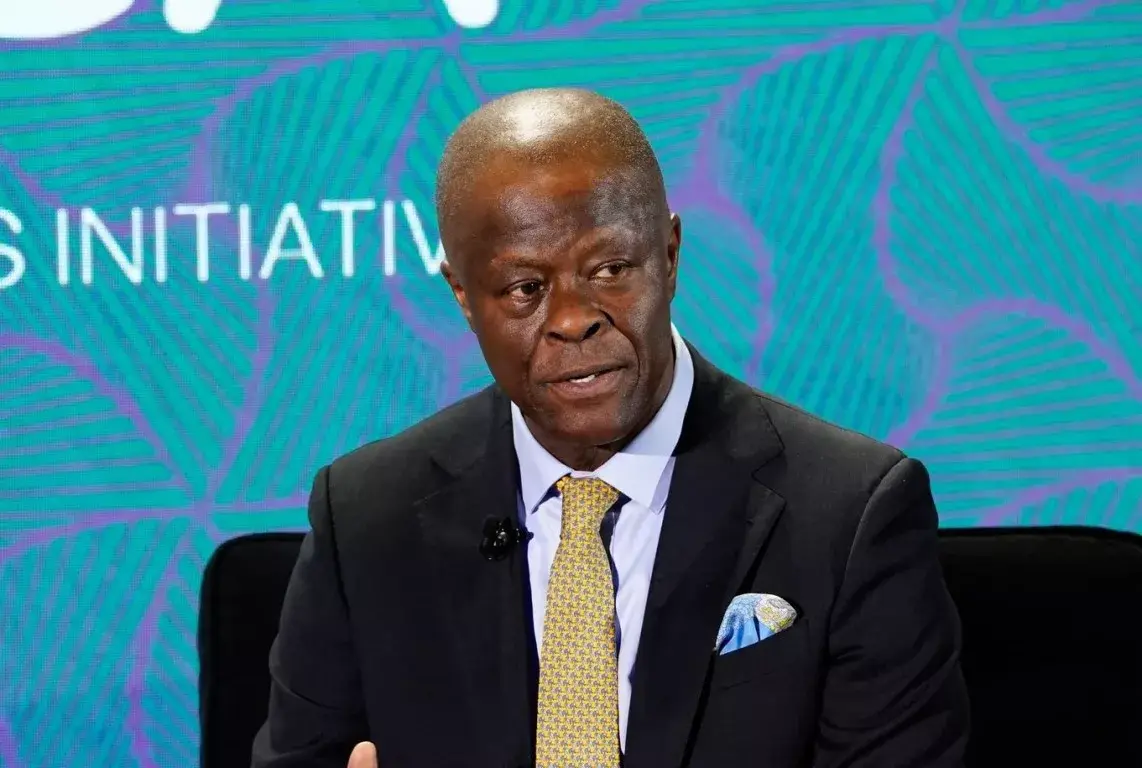
Nigeria’s Finance Minister Wale Edun has signaled that interest rate reductions could be on the horizon if the country’s inflation trajectory continues its downward trend, offering a potential lifeline to a government grappling with punishing debt-servicing obligations and widening fiscal deficits.
Speaking to reporters on the sidelines of Abu Dhabi Sustainability Week, Edun expressed cautious optimism about the Central Bank of Nigeria’s inflation-fighting efforts, suggesting that sustained price stability could pave the way for monetary easing that would substantially lighten the government’s financial burden.
The comments come after more than two years of stringent monetary policy that saw the CBN more than double its benchmark interest rate from 2022 levels, taking the policy rate as high as 27.5% before implementing a modest 50 basis-point cut in September that brought it to 27%. That reduction followed encouraging signs that inflation, which had surged to alarming heights in late 2024, was finally beginning to moderate.
Edun praised the central bank’s approach as “excellent,” crediting the aggressive tightening cycle with breaking the back of runaway price increases that had eroded purchasing power and destabilized economic planning across Africa’s most populous nation.
“The CBN has made excellent progress in curbing inflation,” Edun said, according to Bloomberg’s report of the interview. The minister indicated that continued improvement on the inflation front would create policy space for additional rate cuts, which would ripple through to lower government borrowing costs and provide desperately needed fiscal relief.
The potential for rate cuts carries enormous significance for Nigeria’s strained public finances. The government’s proposed 2026 budget lays bare the scale of the challenge: of the N58 trillion spending plan, approximately N40 trillion—more than 40% of total expenditure—is earmarked solely for interest payments on existing debt.
With projected revenues of only N34 trillion, constrained primarily by persistently weak oil receipts despite Nigeria’s status as a major crude producer, the government faces a yawning budget deficit of roughly N24 trillion, or approximately 4.3% of GDP. That gap is notably wider than the previous year’s shortfall, underscoring the deteriorating fiscal position.
The mathematics are stark: nearly two-thirds of anticipated government revenue will be consumed by debt servicing alone, leaving precious little room for critical investments in infrastructure, education, healthcare, and security that the country desperately needs.
Nigeria’s fiscal predicament is compounded by its continued heavy reliance on oil revenues, which remain subject to global price swings, production disruptions, and theft that has plagued the sector for years. This volatility makes budget planning treacherous and leaves the government perpetually vulnerable to external shocks.
Lower interest rates would provide a double benefit, Edun suggested: not only would they stimulate broader economic activity by making credit more accessible to businesses and consumers, but they would also directly reduce the government’s debt-servicing burden, freeing up resources that could be redirected toward productive spending or deficit reduction.
When asked about the government’s financing plans, Edun emphasized that borrowing decisions would remain pragmatic and responsive to market conditions. The administration will weigh domestic versus external borrowing options based on pricing, timing, investor appetite, and compliance with debt ceilings established in the country’s medium-term expenditure framework.
This flexibility reflects the tightrope Nigeria must walk: the government needs to continue borrowing to finance its deficit, but must do so without triggering market alarm about debt sustainability or crowding out private sector borrowers who also need access to capital.
Beyond hoping for monetary easing, Edun stressed that the administration recognizes it cannot borrow its way to prosperity. Structural reforms aimed at boosting revenue collection and reducing dependence on debt financing remain central to the government’s economic strategy.
These efforts include improving tax administration efficiency, broadening the tax base, and reducing revenue leakages—perennial problems in Nigeria’s public finance system. Success on this front would be transformative, reducing the government’s vulnerability to interest rate fluctuations and oil price volatility.
While Edun’s comments offer a glimmer of hope, significant risks remain. Inflation could prove stubbornly persistent, particularly given Nigeria’s structural challenges, including insecurity, foreign exchange pressures, and supply chain disruptions. Any renewed inflationary surge would force the central bank to maintain or even raise rates, further squeezing government finances.
Moreover, even if rates do fall, the relief may be modest given the massive stock of existing debt and the government’s continued need to borrow. With the deficit projected to remain substantial, new borrowing will partly offset any savings from lower rates on existing obligations.
As Nigeria navigates these treacherous fiscal waters, the interplay between monetary policy, inflation dynamics, and government finances has never been more critical. For millions of Nigerians feeling the squeeze of high living costs and limited public services, the hope is that easing inflation will bring not just lower interest rates but tangible improvements in their daily lives.
WHAT YOU SHOULD KNOW
Nigeria’s crushing debt burden is eating the budget alive—with over 40% of the 2026 spending plan going solely to interest payments. Finance Minister Wale Edun says interest rate cuts may finally be possible if inflation keeps cooling, which would free up desperately needed funds currently locked into debt servicing.
Even if rates fall, Nigeria can’t borrow its way out of this crisis. Without serious revenue reforms and reduced dependence on volatile oil receipts, the country will remain trapped in a cycle of borrowing to service debt, leaving little money for the schools, hospitals, roads, and security that Nigerians actually need. The math is brutal—N34 trillion in revenue against N58 trillion in spending simply doesn’t work long-term.