Burkina Faso’s mining sector achieved unprecedented production levels in 2025, with gold output reaching a record 94 tonnes—a surge of more than 30 tonnes compared to the previous year and one of the strongest annual performances in the West African nation’s extractive industry history.
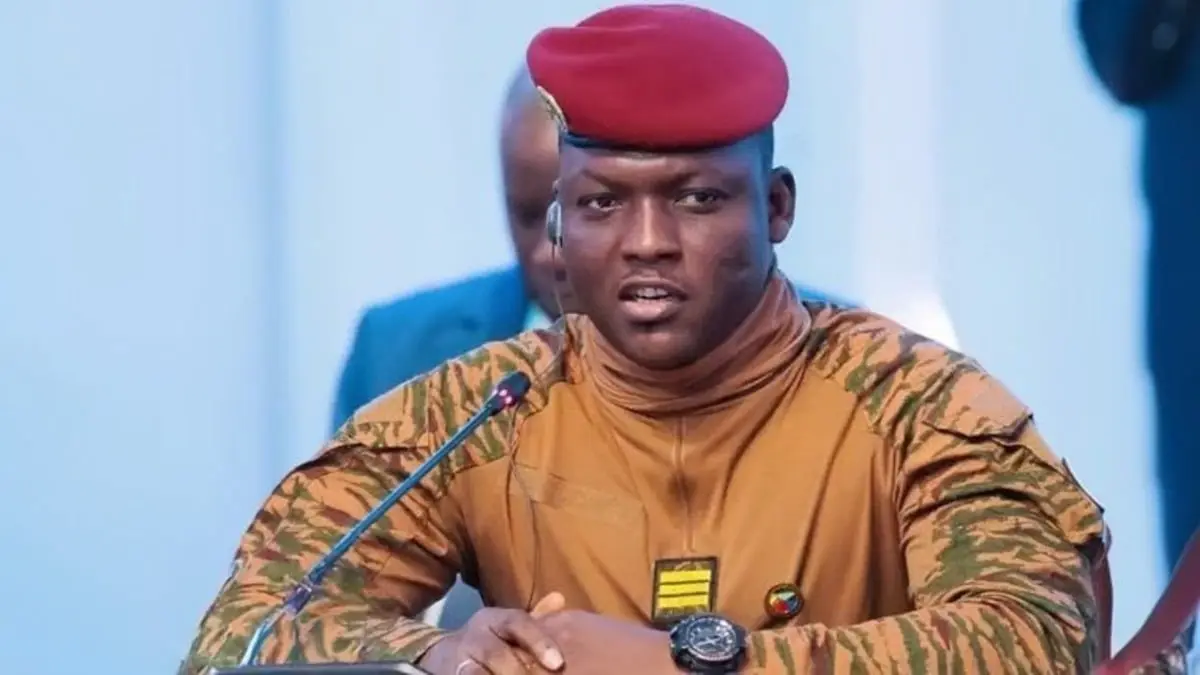
The landmark figures, disclosed by Energy and Mines Minister Gouba during a performance briefing to Prime Minister Rimtalba Jean Emmanuel Ouédraogo, underscore the government’s aggressive pivot toward what officials are calling “economic sovereignty” in the resource sector.
According to ministerial data, the 94-tonne haul represents output from multiple sources: industrial mining operations, artisanal extraction, and state seizures from illicit networks. Notably, artisanal mining alone accounted for approximately 42 tonnes—nearly half of total production—a dramatic validation of the government’s strategy to formalize and support small-scale miners.
Minister Gouba attributed the production spike to comprehensive mining-sector reforms initiated under the government’s sovereignty agenda. Central to these efforts was the operationalization of the state-owned Burkina Faso Mining Participation Company (SOPAMIB), which has assumed a more active role in overseeing the country’s 15 industrial mining operations.
The reforms also included enhanced regulatory oversight and enforcement measures aimed at curbing illegal gold trading. Authorities reported seizing approximately 10 kilograms of gold from illicit supply chains during 2025—a modest but symbolically important intervention in a sector long plagued by smuggling and revenue leakage.
“The mining sector performed very well in 2025,” Gouba said, crediting policy changes that prioritized transparency, local participation, and stricter compliance standards for industrial operators.
The ministry reported an overall achievement rate of 89.66 percent under its annual performance contract, signaling broader success across its mandate.
Beyond extractives, the ministry recorded significant gains in energy infrastructure—a critical pillar of Burkina Faso’s development strategy. Nearly 160,000 households were connected to the national electricity grid in 2025, while 131 rural localities received power for the first time.
To support this expansion, the government deployed over 165 kilometers of transmission lines and approximately 500 kilometers of low-voltage distribution networks. Urban and peri-urban areas also benefited from improved public lighting, with more than 25,000 streetlights installed across cities and surrounding communities—a move aimed at enhancing security and quality of life.
The electrification push reflects the government’s recognition that industrial growth, particularly in mining, depends on reliable energy access in remote regions where many deposits are located.
Looking ahead, Burkinabè authorities have outlined an ambitious reform agenda for 2026 designed to consolidate gains and deepen local control over natural resources.
Key initiatives include restructuring the Bureau of Mines and Geology of Burkina Faso (BUMIGEB), the country’s geological survey and regulatory body, and reorganizing artisanal mining into formal cooperatives. The cooperative model is seen as essential to improving working conditions, environmental standards, and revenue collection from the informal sector.
The government is also targeting the launch of at least 10 semi-mechanized mining projects, all to be led exclusively by local private investors—a pointed effort to reduce foreign dominance in the sector and build domestic capacity.
“In 2026, we will work to firmly entrench energy and mining sovereignty,” Minister Gouba declared, signaling that the nationalist economic agenda will remain central to policy.
Burkina Faso’s mining boom comes amid a broader political and security transformation. Since a military government took power in 2022, authorities have pursued assertive policies aimed at reclaiming control over natural resources, breaking with historical patterns of foreign extraction and limited local benefit.
However, the country continues to face serious security challenges from jihadist insurgencies in the north and east, which have displaced over two million people and disrupted economic activity in some mining regions. Whether the government can sustain production gains while addressing these instabilities remains a critical question.
Still, the 2025 results suggest that, at least in the near term, Burkina Faso’s mining sector is on a robust upward trajectory—one that officials hope will translate into broader industrialization and economic resilience.
WHAT YOU SHOULD KNOW
Burkina Faso’s record 94-tonne gold output in 2025—up over 30 tonnes from 2024—marks a pivotal shift toward resource sovereignty. The surge was driven by aggressive mining reforms, including state oversight through SOPAMIB, formalization of artisanal miners who produced nearly half the total, and crackdowns on illegal trading.
Coupled with expanded electricity access to 160,000 households and ambitious 2026 plans for locally led mining projects, the government is positioning natural resources as the engine for national industrialization and economic independence.
Burkina Faso is betting its future on controlling—not just extracting—its own wealth.