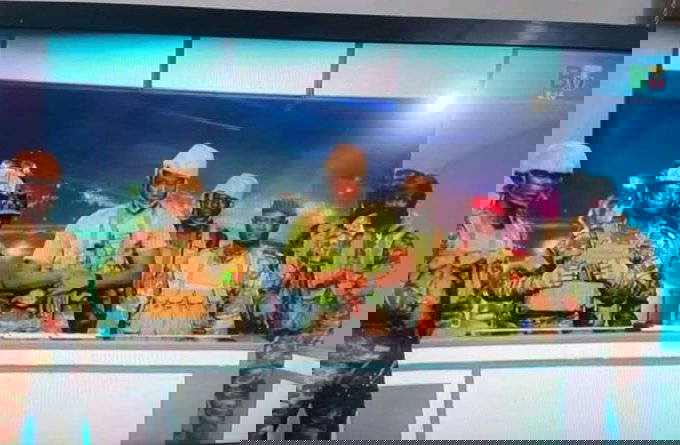
Benin’s authorities on Sunday declared that they had stopped an attempted takeover of power, hours after a group of soldiers appeared on state television to claim they had removed President Patrice Talon.
The development unfolded against a backdrop of repeated political upheavals across West Africa, including coups in Niger, Burkina Faso, Mali, Guinea and, most recently, Guinea-Bissau.
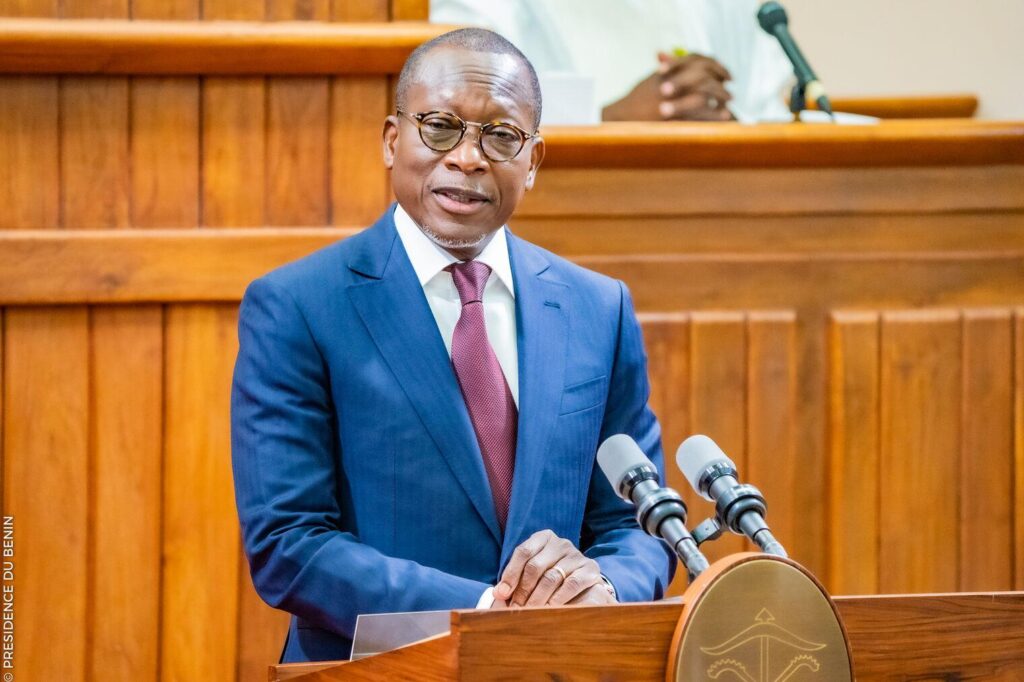
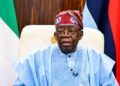
Talon, a 67-year-old former businessman widely known as the “cotton king of Cotonou”, is expected to leave office next April after a decade defined by strong economic progress but also a growing wave of jihadist attacks.
Earlier on Sunday, a group of soldiers identifying themselves as the “Military Committee for Refoundation” (CMR) appeared on state television stating that they had convened and decided that “Mr Patrice Talon is removed from office as president of the republic”. Their broadcast was interrupted later in the morning.
Not long after the televised declaration, a figure close to the president told AFP that Talon was unharmed and dismissed the coup actors as “a small group of people who only control the television”. The source insisted that “The regular army is regaining control. The city (Cotonou) and the country are completely secure,” adding that normalcy would soon return and that “The clean-up is progressing well.”
By midday, uncertainty lingered on the streets of Cotonou. AFP reporters noted bursts of gunfire and saw soldiers restricting movement near the presidential offices, even as daily activity continued across other parts of the city.
Interior Minister Alassane Seidou described the action of the soldiers as “a mutiny” aimed at “destabilising the country and its institutions”. He emphasized that the Beninese Armed Forces and their command structure had “maintained control of the situation and foiled the attempt”.
On the state broadcaster, eight armed soldiers wearing different berets and calling themselves the “Military Committee for Refoundation” (CMR) presented a lieutenant colonel as “president of the CMR”. They claimed their actions were driven by the “continuous deterioration of the security situation in northern Benin”, the “neglect of soldiers killed in action and their families left to fend for themselves,” and what they described as “unjust promotions at the expense of the most deserving”.
A military official confirmed that the situation was “under control” and that the coup group had failed to seize either Talon’s residence or the seat of the presidency. An AFP correspondent in the economic capital also observed troops blocking entry to the presidential compound and the national broadcaster.
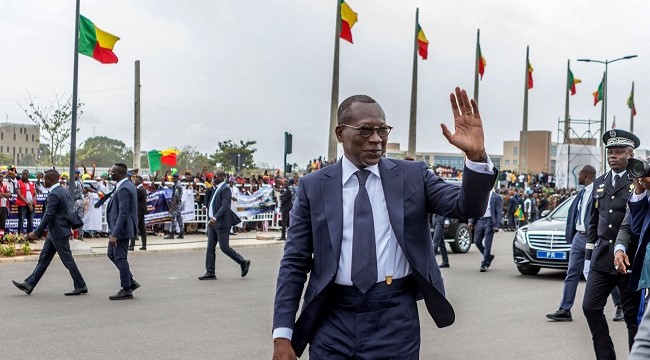
Additional security cordons were seen around areas such as the Sofitel Hotel in Cotonou and neighbourhoods hosting international organisations. However, the airport and much of the city remained free of military intrusion.
The Economic Community of West African States (ECOWAS) condemned the soldiers’ actions, labelling them “unconstitutional” and a “subversion of the will of the Beninese people”.
Benin’s political past has been shaped by several coups and failed attempts since gaining independence from France in 1960. Talon, who assumed office in 2016, is approaching the end of his second and final constitutional term in 2026. With the main opposition party barred from the succession contest, the ruling party is set to face what is described as a “moderate” opposition. Although Talon has been commended for boosting the country’s economic landscape, his critics routinely accuse him of tightening authoritarian control.
What you should know
Benin’s political tension intensified after a group of soldiers claimed to have removed President Patrice Talon, prompting the government to announce that the attempted takeover had been contained.
The incident reflects the region’s broader instability, with West Africa witnessing multiple military overthrows in recent years. Though Talon has overseen economic progress, rising insecurity and political grievances have fueled dissatisfaction within some military ranks.
Authorities insist the coup attempt did not gain ground, stressing that security forces swiftly reasserted control. The situation underscores the fragile balance Benin faces as it nears a leadership transition.