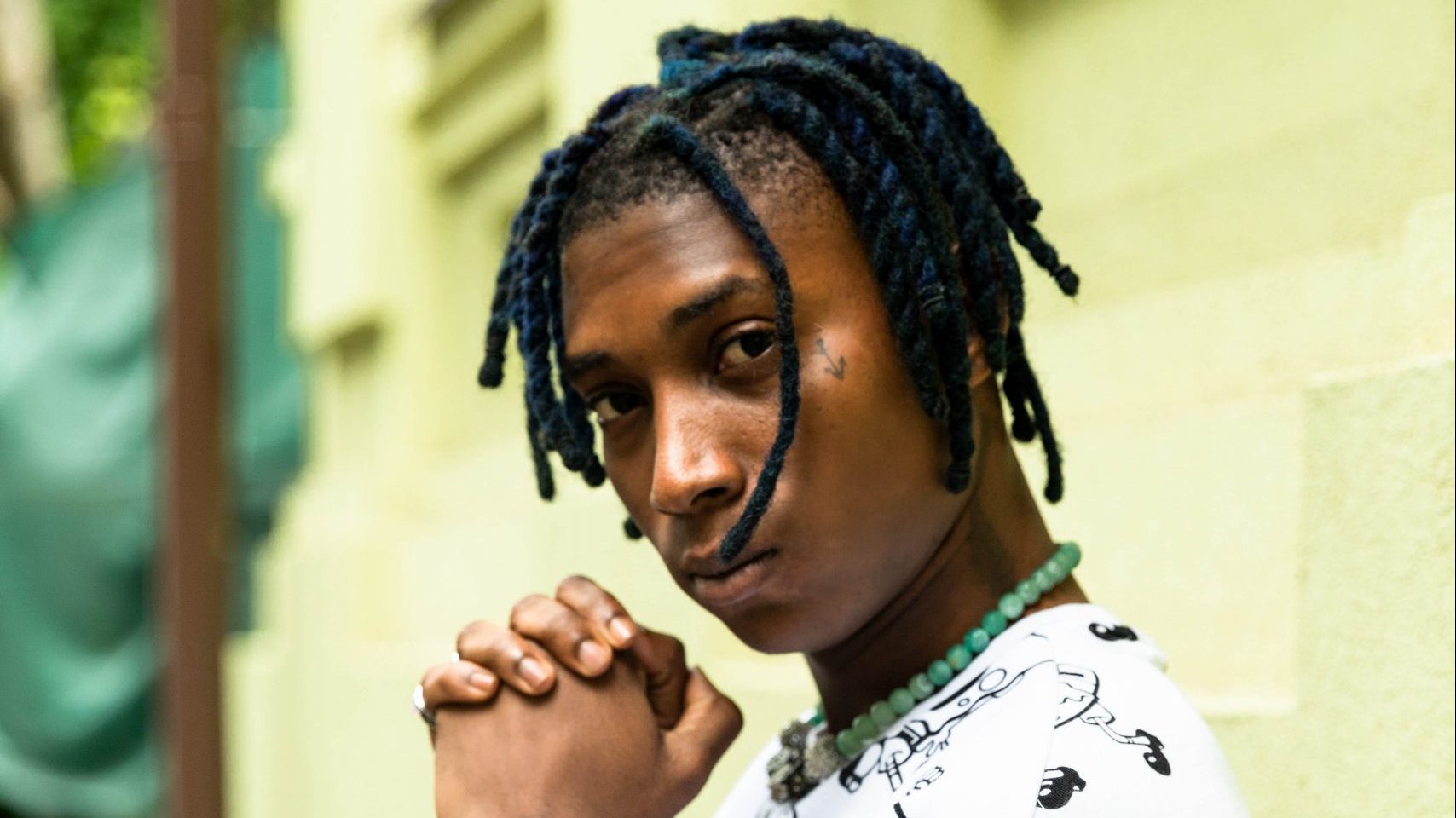
Popular Nigerian singer Bella Shmurda has pulled back the curtain on the staggering costs associated with music production and artist maintenance, defending the high performance fees that have become a contentious issue among fans and event promoters.
Speaking during a recent appearance on Naija FM, the “Cash App” crooner provided a detailed breakdown of the financial realities facing contemporary Nigerian artists, revealing figures that paint a sobering picture of an industry where success comes with an enormous price tag.
According to Bella Shmurda, whose real name is Akinbiyi Abiola Ahmed, the production of his latest album alone required approximately $100,000—equivalent to over ₦100 million at current exchange rates—in payments to producers, songwriters, and sound engineers. Critically, this astronomical figure doesn’t include the additional costs of video production or promotional campaigns across radio, television, and digital platforms.
“Making this album, just paying producers alone cost about $100,000,” the artist stated matter-of-factly. “Then I still have to shoot videos and promote the songs on radio, TV, and platforms—that’s a lot.”
The revelation offers rare insight into the backend expenses of Nigeria’s music business, which has experienced explosive growth over the past decade as Afrobeats has conquered global markets. While Nigerian artists now command international audiences and lucrative streaming numbers, Bella’s comments suggest the infrastructure costs have risen proportionally.
Addressing the criticism that often accompanies news of artists’ hefty performance fees, Bella Shmurda reframed the conversation as one of basic economics rather than extravagance. For him and many of his contemporaries, expensive show bookings represent not windfall profits but essential cost recovery mechanisms.
“So if I go for one show and I don’t charge, what’s the benefit for me in the long run? It’s not making sense,” he argued. “We’re not overcharging; people just don’t see the cost behind the music.”
The singer’s defense comes at a time when Nigerian artists regularly command fees ranging from millions to tens of millions of naira for single performances—rates that have drawn scrutiny from event organizers, particularly those planning corporate events, weddings, and cultural festivals with limited budgets.
Industry observers note that this tension between artist compensation and affordability has intensified as Nigeria’s economic challenges, including currency devaluation and inflation, have squeezed both artists’ production budgets and fans’ disposable incomes.
Perhaps most revealing was Bella Shmurda’s commentary on the often-overlooked expenses associated with maintaining a public image befitting contemporary stardom. The artist disclosed that he operates under an unwritten rule that prohibits him from wearing the same outfit twice in public appearances.
“I can’t repeat clothes twice as a public figure,” he acknowledged, carefully noting that this practice stems “not out of pride, but as part of the image demands that come with fame.”
This admission highlights an aspect of celebrity life rarely discussed in Nigerian entertainment discourse: the pressure to maintain constant visual novelty and luxury branding in an era of social media scrutiny and instant image circulation. For artists whose brands depend partly on aspirational lifestyle projections, wardrobe expenses alone can run into millions annually.
Bella Shmurda’s transparency arrives amid broader conversations about sustainability in Nigeria’s entertainment sector. While the country’s music industry has produced globally recognized talents and generated significant revenue, questions persist about whether the current model adequately supports artists beyond the top tier and whether mid-level and emerging acts can survive the escalating cost structure.
Music industry analysts suggest that the figures cited by Bella Shmurda reflect both the professionalization of Nigerian music production—with artists now working with world-class producers and engineers—and the inflationary pressures affecting all sectors of the Nigerian economy.
The interview has generated mixed reactions on social media, with some fans expressing newfound sympathy for artists’ financial pressures, while others question whether such lavish expenditures are truly necessary for artistic success.
As Nigeria’s music industry continues its upward trajectory on the global stage, Bella Shmurda’s revelations serve as a reminder that behind the glamour and chart success lies a complex financial ecosystem where even successful artists face significant economic pressures—and where the path to profitability may be longer and more expensive than audiences realize.
WHAT YOU SHOULD KNOW
Bella Shmurda’s revelations expose a critical truth about Nigeria’s music industry: what fans perceive as greed is actually economic survival. With album production costs exceeding $100,000 before videos or promotion, plus the relentless expense of maintaining a celebrity image, high-performance fees aren’t about luxury—they’re about breaking even.