
Summary
Belgium is preparing for widespread disruptions as a series of coordinated strikes began on Monday, targeting government austerity measures designed to cut down the country’s growing national debt.
The industrial action is structured in three phases. The first phase started on Monday with rail and public transport workers downing tools. The national railway operator, SNCB, projected that only one or two out of every three trains would run, while several Eurostar services between Brussels and Paris were cancelled.

By Tuesday, the strike will expand to include public institutions such as schools, daycare centres, and hospitals. The final wave on Wednesday will escalate into a full general strike involving workers across all sectors.
Air travel will also come to a halt, with no flights expected on Wednesday at Brussels-Zaventem and Charleroi, the country’s two busiest airports.
Belgium’s major unions organised the shutdown in direct opposition to Prime Minister Bart De Wever’s economic agenda. They argue that the government’s push for sweeping budget cuts and structural reforms—ranging from changes in unemployment benefits to pension adjustments—places an undue burden on citizens.
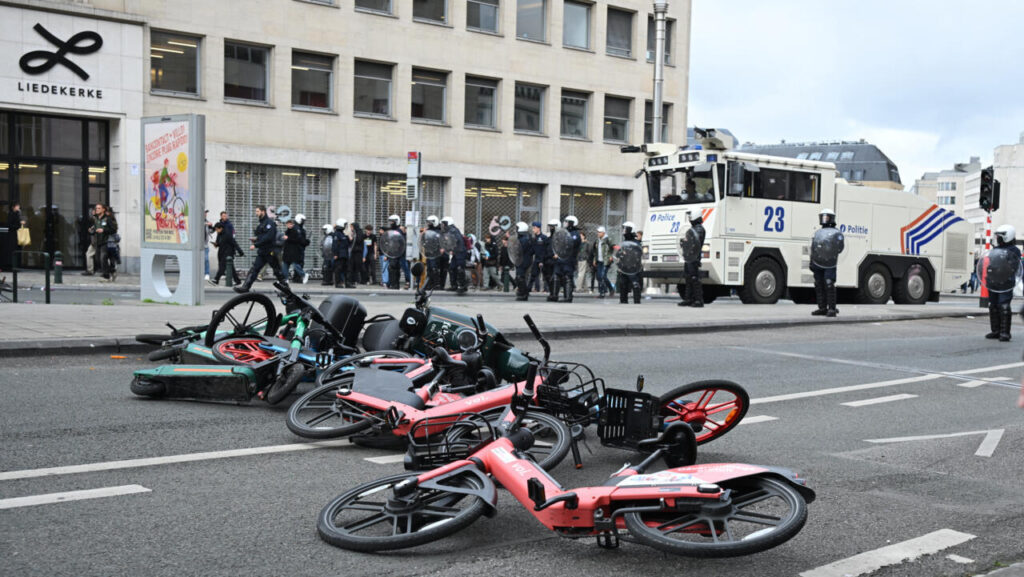
This industrial action is unfolding just after De Wever’s five-party coalition reached a late-night agreement to push forward a multi-year budget plan. The deal introduces increased government savings and new revenue sources, including tax adjustments, in part to support a planned rise in defence spending.
“Work today, and reap the fruits tomorrow,” De Wever wrote on X, admitting during a radio interview that the austerity measures will affect everyone to some degree.
Unions, however, have condemned the government’s approach, saying it undermines essential social protections. The FGTB socialist union accused the prime minister of showing “contempt” and “disrespect” toward workers.
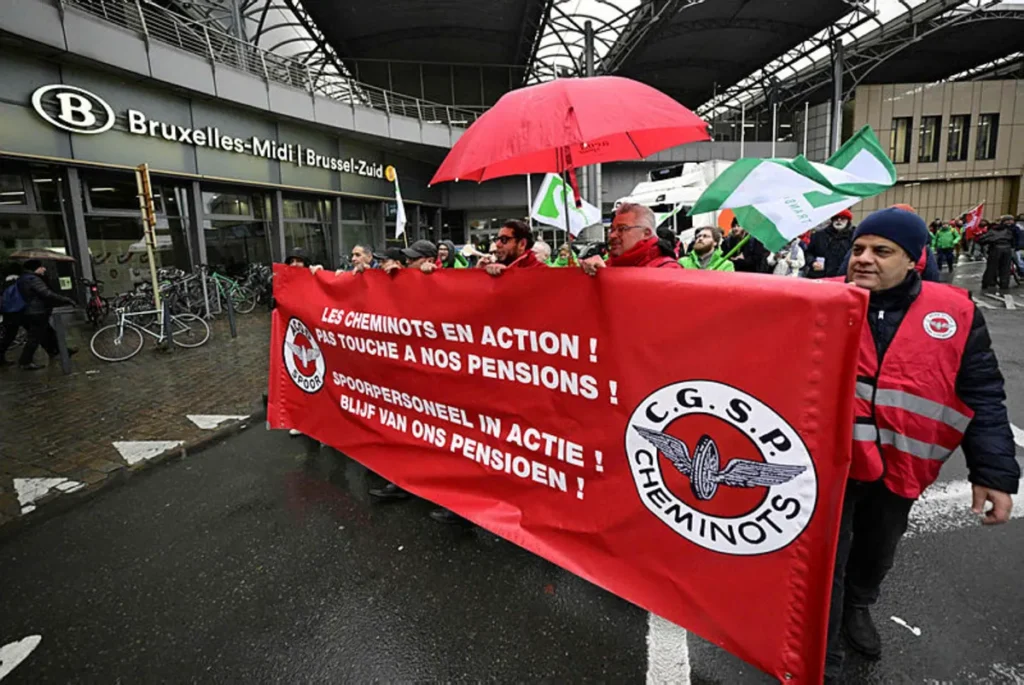
While previous protests have drawn significant crowds—including tens of thousands who marched in Brussels in October—the results have been inconsistent. Wednesday’s general strike aims to intensify pressure on the coalition government as internal disagreements continue to slow the implementation of its reform agenda.
What You Should Know
Belgium has entered a critical period of national strikes driven by public anger over government austerity measures aimed at reducing debt.
The shutdown will affect trains, flights, schools, hospitals, and other key services.
Unions say the reforms weaken social protections, while the government insists they are necessary to stabilise the economy and fund future obligations, including defence spending.