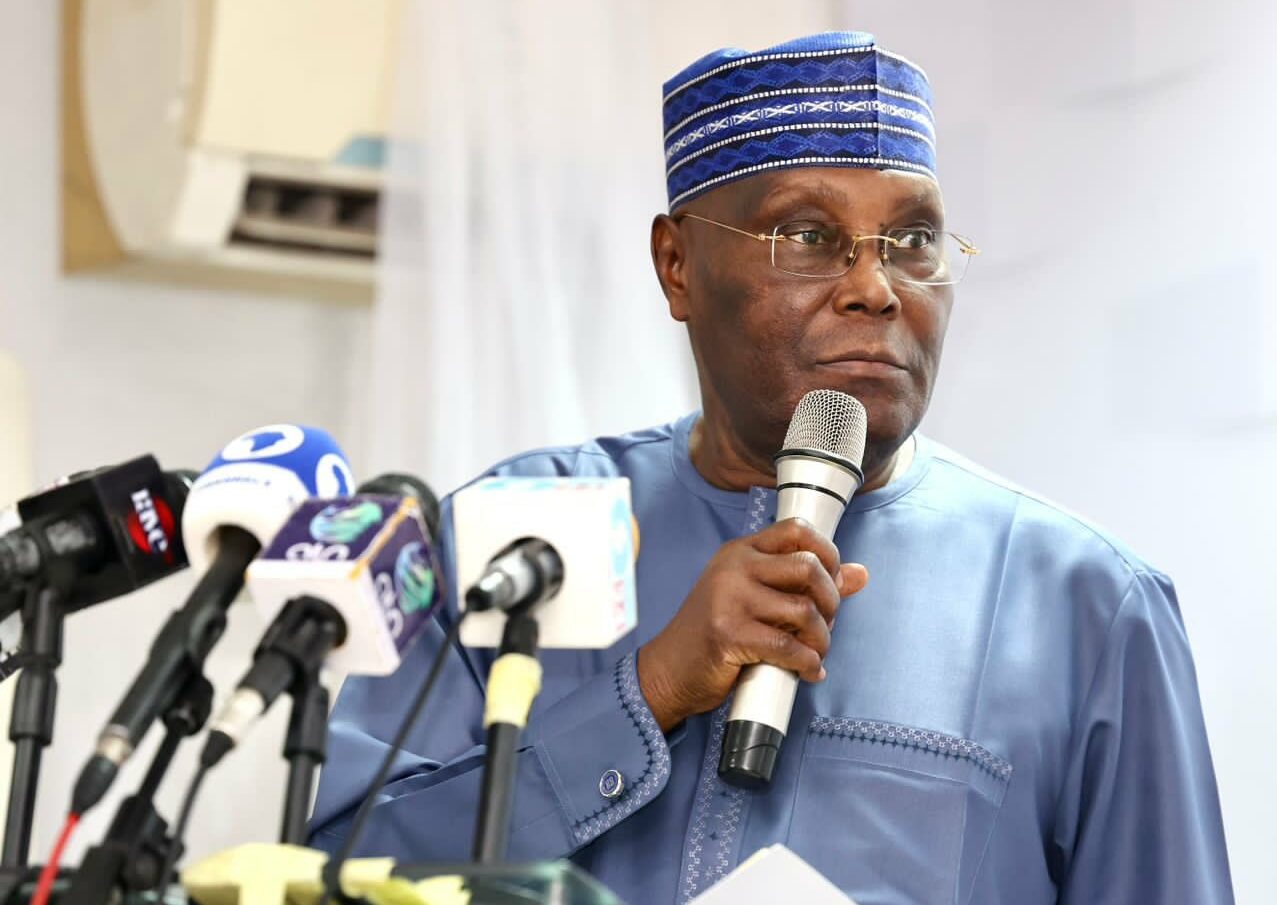
Former Vice President Atiku Abubakar has accused the Senate of intentionally frustrating moves to amend the Electoral Act 2022, warning that persistent delays could seriously undermine the credibility of the 2027 general elections.
In a statement shared on his X (formerly Twitter) account on Thursday, Atiku said loopholes in the existing Electoral Act represented a major flaw in the conduct of the 2023 general elections.
According to him, the weaknesses in the law opened the door to widespread electoral malpractice and made it extremely difficult for aggrieved parties to successfully prosecute election petitions in court.
“A major setback to the 2023 elections is the loopholes in the Electoral Act 2022 that paved the way for the brazen rigging of that election, and the near-impossibility of petitioners to advance their cases in the courts,” he said.
Atiku stressed that immediate legislative intervention was necessary to prevent a repeat of the same challenges in future elections, particularly the 2027 polls. He argued that without urgent reforms, Nigeria risks conducting another election plagued by legal ambiguities and credibility concerns.
“It is imperative that if the mistakes of the 2023 election are to be corrected, the legal instrument for the conduct of the 2027 and subsequent future elections needs to be reviewed,” he added.
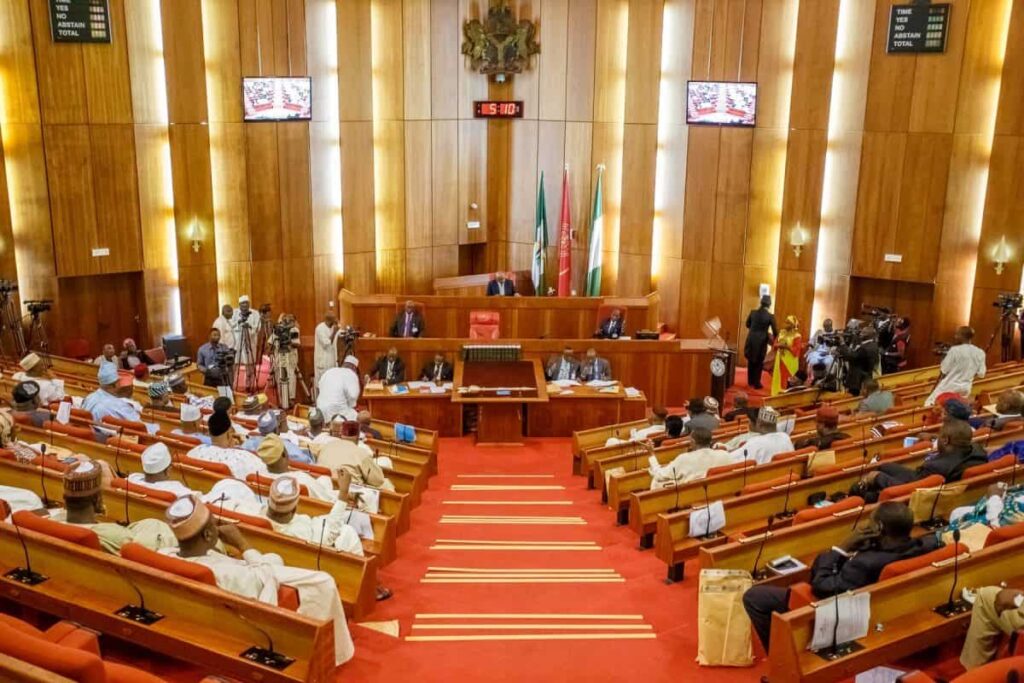
The former presidential candidate of the Peoples Democratic Party alleged that the Senate was deliberately slowing down or blocking efforts to pass amendments to the current electoral law, despite widespread calls for reform.
“But as things stand, it has become obvious that the Senate is determined to frustrate the passage of amendments to the 2022 Electoral Act,” Atiku stated.
He warned that failure to amend the law well ahead of the next general elections would amount to a calculated effort to compromise the electoral process from the outset.
“The credibility of the 2027 general elections hinges on the urgency with which the Senate treats this crucial bill.
“It is, therefore, imperative that the Senate finalises the amendments and ensures the updated law governs the conduct of the 2027 elections. Anything short of this is a deliberate attempt to rig the election long before the ballots are cast,” he said.

The Electoral Act 2022, which was signed into law in February 2022, currently provides the legal framework for elections in Nigeria. Meanwhile, the National Assembly is considering an Electoral Act Amendment Bill aimed at addressing shortcomings identified during the 2023 elections, as preparations gradually begin for the 2027 polls.
What you should know
Atiku Abubakar’s remarks reflect ongoing concerns among opposition figures and civil society groups about the integrity of Nigeria’s electoral framework.
The 2023 elections were widely criticised for technical failures, disputed results, and legal hurdles faced by petitioners. Amendments to the Electoral Act are expected to clarify issues around electronic transmission of results, electoral transparency, and judicial processes.
With 2027 approaching, delays in reform could heighten political tensions and raise doubts about the fairness of future elections if the legal gaps identified in 2023 are not urgently addressed.