The Academic Staff Union of Universities (ASUU) has announced the suspension of its two-week warning strike, granting the Federal Government a one-month grace period to finalize the renegotiation of the 2009 FGN/ASUU Agreement and resolve other pressing issues affecting public universities.
ASUU President, Prof. Chris Piwuna, made this known on Wednesday during a press briefing in Abuja, explaining that the decision followed productive engagements with the Federal Government and critical interventions from the National Assembly.
He recalled that the union had embarked on the warning strike on October 13, 2025, after the government failed to respond to multiple appeals regarding the renegotiation of the 2009 Agreement and other welfare-related concerns.
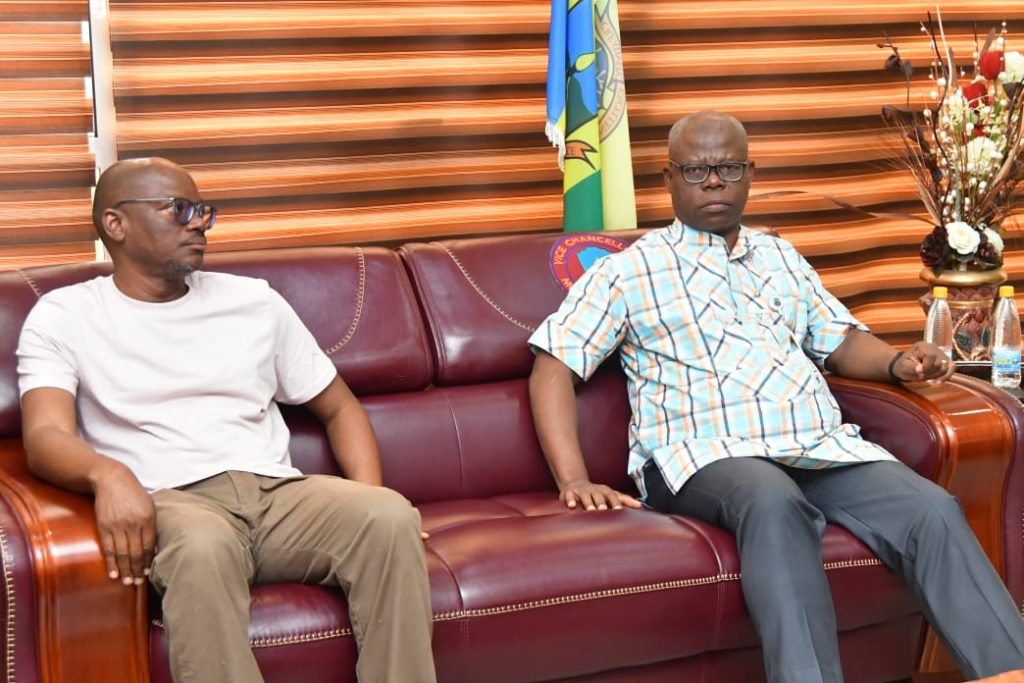
“When we gathered here about 10 days ago to painfully declare a warning strike, it was a decision that left us with no other choice. The government had ignored our repeated overtures to address issues critical to the survival of Nigeria’s public universities,” Piwuna stated.
He noted that the government re-engaged the union shortly after the strike began through a committee led by Alhaji Yayale Ahmed. The team met with ASUU representatives on October 16 and 18 to deliberate on the government’s position concerning the draft renegotiated agreement.
While acknowledging that not all matters were fully resolved, Piwuna said meaningful progress had been achieved compared to the pre-strike situation. “We have not achieved all our objectives, but we are certainly not where we were before the strike began. This shows that had the government responded earlier, there would have been no need for the action,” he said.
He also expressed appreciation for the Senate Committees on Tertiary Education and TETFund, and Labour, as well as the Deputy Senate President, Senator Barau Jibrin, whose mediation efforts he described as instrumental in rekindling hope for a lasting solution.
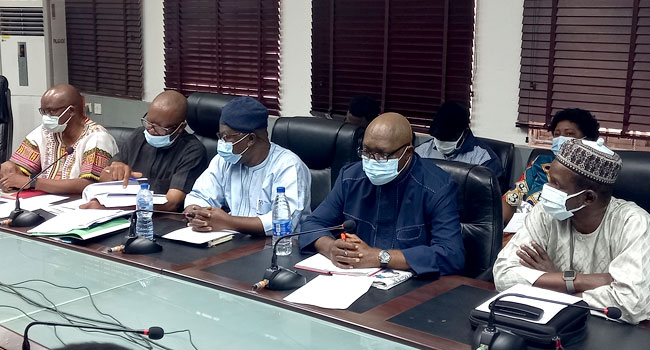
Following an emergency meeting of ASUU’s National Executive Council (NEC) held from October 21–22, 2025, the union resolved that the warning strike had served its purpose by compelling the government to return to the negotiation table.
“While noting that more work remains to be done, NEC resolved to suspend the warning strike to allow for a conducive atmosphere for further engagement,” Piwuna said.
The ASUU president added that the decision was made in consideration of students, parents, the media, the Nigeria Labour Congress (NLC), and other Nigerians who had shown support during the industrial action.
However, ASUU warned that it would not hesitate to resume the strike if the government fails to address all outstanding issues within the one-month timeframe. “The struggle continues,” Piwuna declared, urging well-meaning Nigerians to prevail on the government to uphold its promises and ensure lasting stability in the nation’s university system.
What you should know
ASUU’s latest suspension of its warning strike represents a temporary truce in the long-running dispute between university lecturers and the Federal Government.
The one-month window granted is expected to determine whether a lasting solution can be achieved or if the academic calendar will once again be disrupted. The renegotiation of the 2009 FGN/ASUU Agreement has been at the heart of the union’s demands, covering issues like improved funding, fair remuneration, and better working conditions.
The coming weeks will be critical in shaping the future of industrial harmony in Nigeria’s higher education sector.