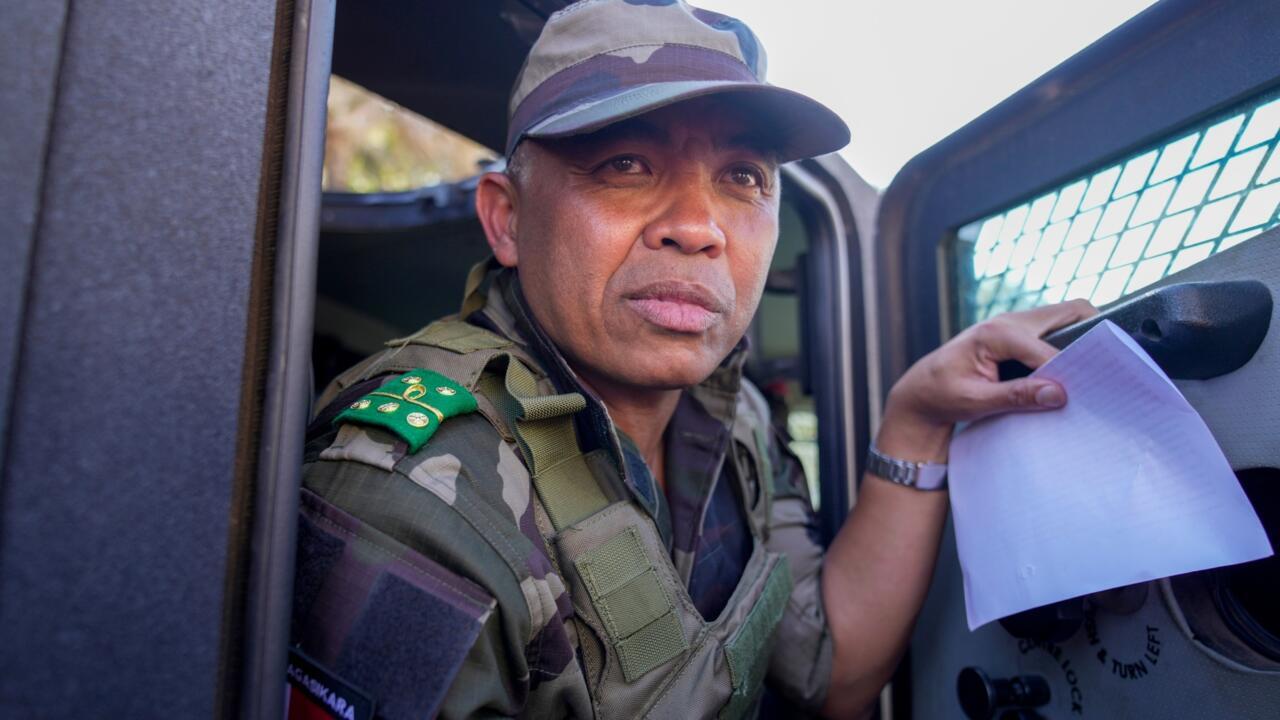
Army Colonel Michael Randrianirina was sworn in as Madagascar’s new president on Friday, following a dramatic military takeover that forced former leader Andry Rajoelina to flee the country and drew sharp international concern.
Randrianirina, who led the CAPSAT army unit that sided with anti-government protesters, announced the army’s intervention after Rajoelina was impeached for “desertion of duty” on Tuesday. In his inaugural address, he described the moment as “a historic turning point” and vowed to work alongside all national stakeholders to draft a new constitution and prepare electoral laws for future polls.
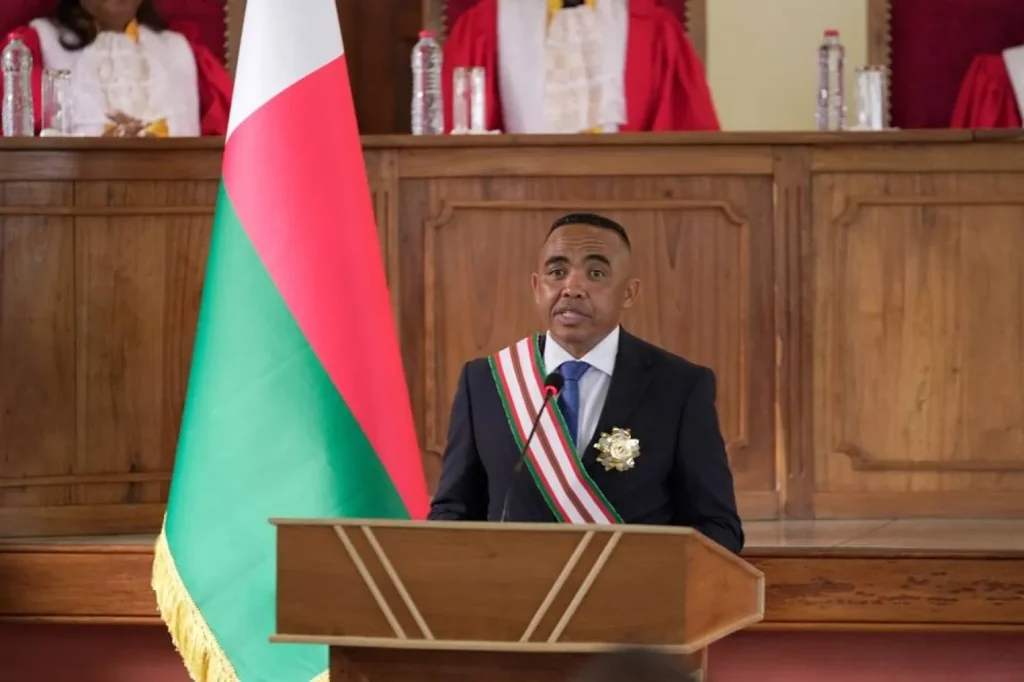
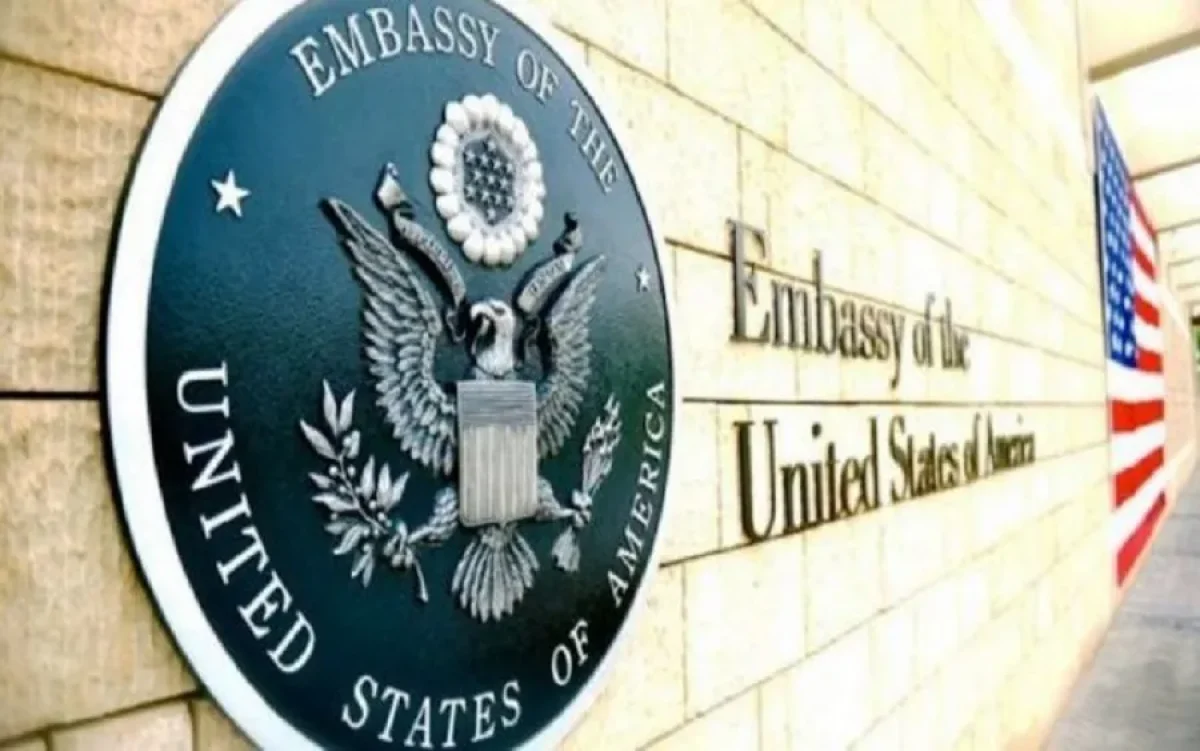
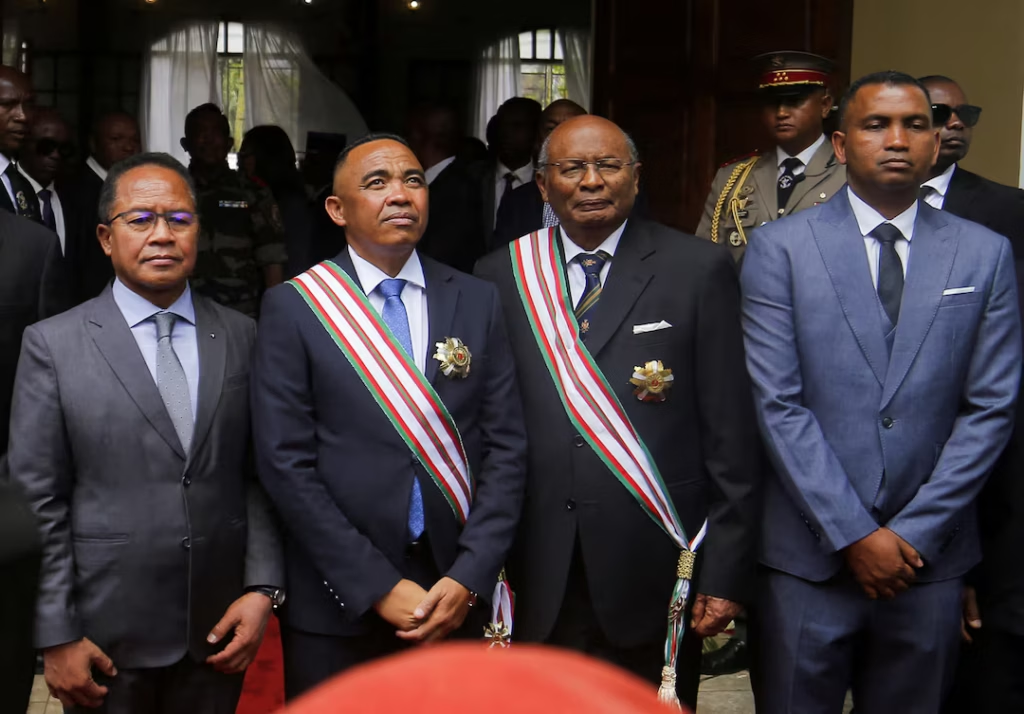
He thanked the youth for driving the protests that toppled Rajoelina, saying the military acted at the request of the constitutional court to prevent “anarchy and disorder.” The swearing-in ceremony in Antananarivo drew attendance from top military officials, politicians, youth leaders, and foreign envoys representing the United States, European Union, Russia, and France.
Despite growing criticism from the United Nations and other international bodies, Randrianirina maintained that the takeover was not a coup, emphasizing that it had constitutional legitimacy. The 51-year-old officer, dressed in a suit rather than his military uniform, assured that “the government belongs to civilians” and pledged elections within 18 to 24 months.
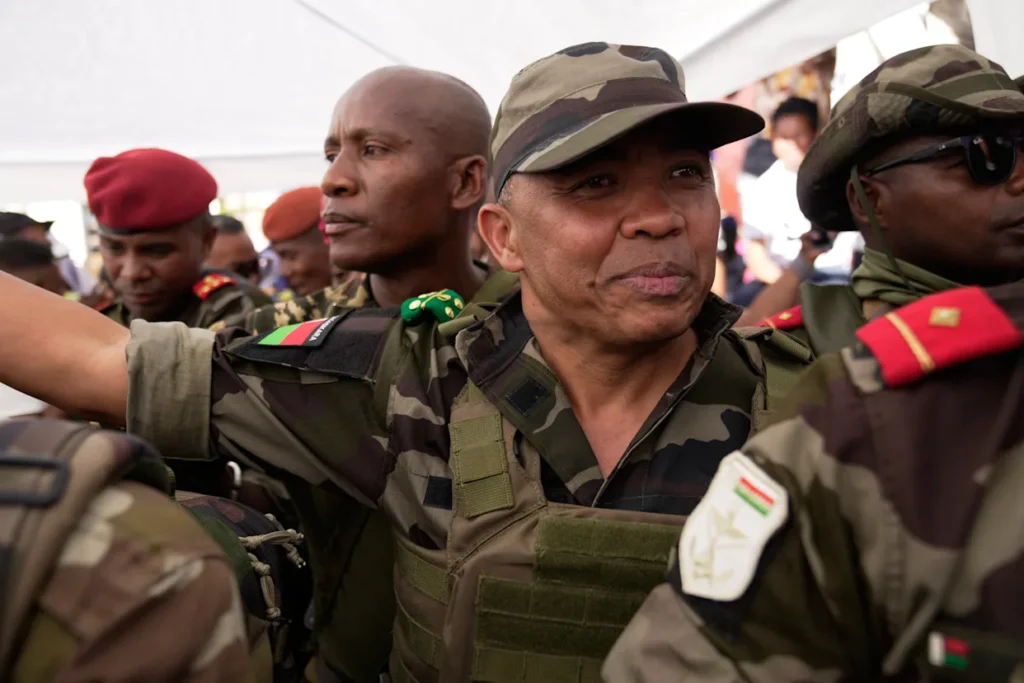
“We are committed to breaking with the past,” he said, promising deep reforms across Madagascar’s political, social, and economic systems.
Meanwhile, Rajoelina’s supporters have rejected the court’s decision, calling it unlawful and destabilizing. They claim he remains the legitimate leader and accuse the court of procedural violations. Rajoelina fled the country last weekend, reportedly via a French military plane to Réunion before traveling to Dubai.
Madagascar now joins a growing list of African nations—including Mali, Burkina Faso, Niger, Gabon, and Guinea—that have experienced military interventions since 2020. The island nation, despite its natural wealth, remains one of the world’s poorest, with about 80 percent of its 32 million citizens living in poverty.
Both the African Union and the Southern African Development Community (SADC) have announced plans to send fact-finding missions, urging a swift return to constitutional order.
What you should know
Colonel Michael Randrianirina’s rise to power marks Madagascar’s third military-led transition since independence. Though he promises reform and civilian governance, his legitimacy faces scrutiny both domestically and abroad.
The ousting of Andry Rajoelina underscores the island’s persistent struggle to balance democracy, youth activism, and military influence in its fragile political landscape.