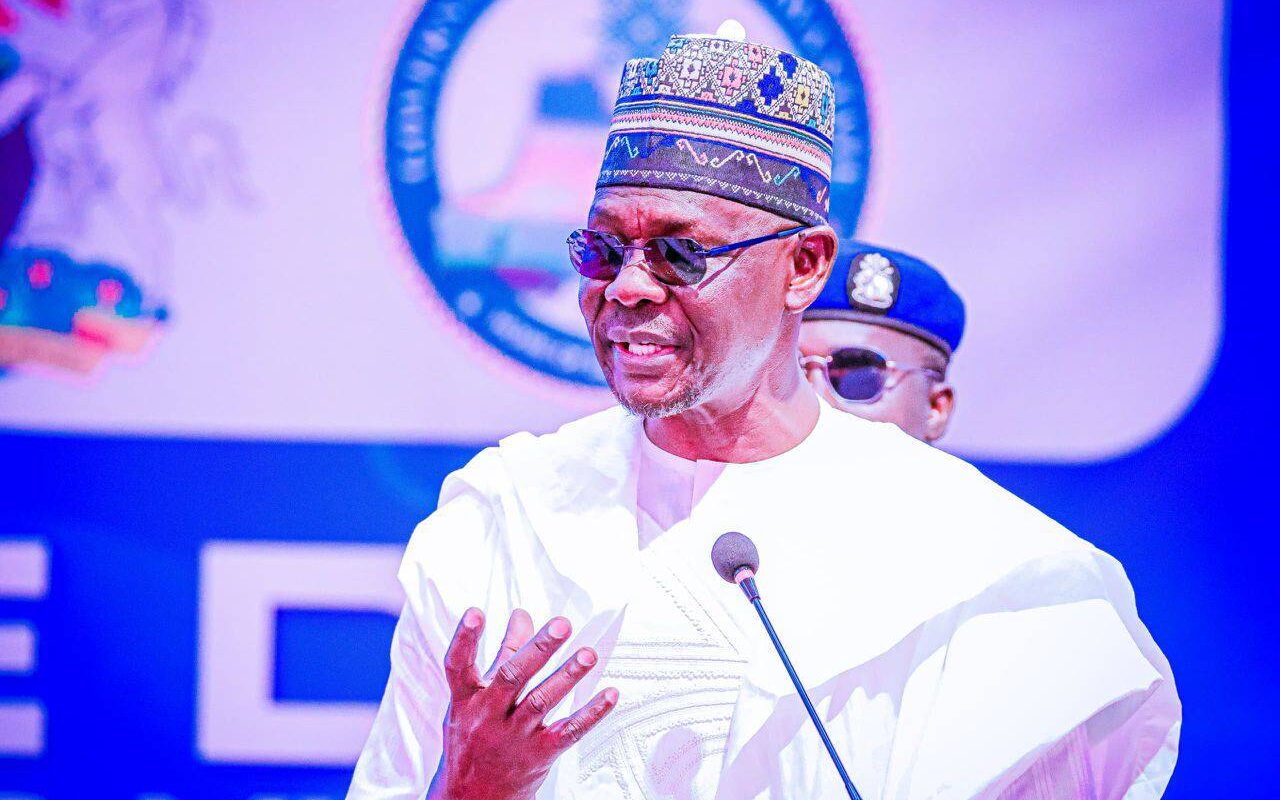
Nasarawa State Governor Abdullahi Sule has rejected claims that the All Progressives Congress is working to discourage further defections by state governors, insisting that the ruling party remains receptive to new members.
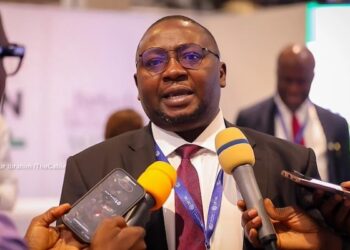
Governor Sule made the clarification on Thursday during an interview on Channels Television’s Politics Today, where he responded to concerns surrounding the increasing number of governors defecting to the APC.
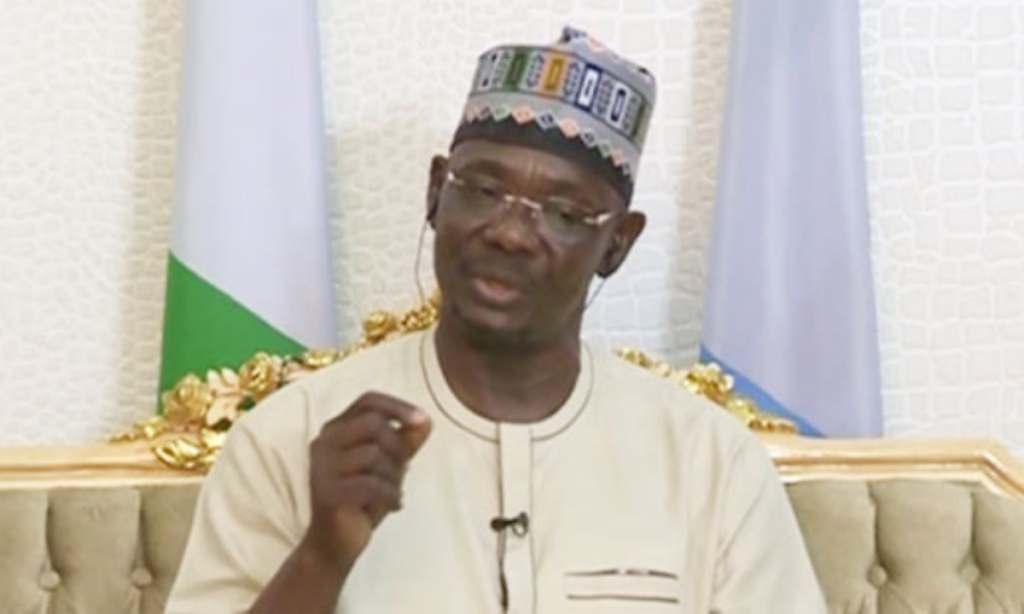
Addressing questions on why the party appears keen on attracting more governors and whether additional defections should be expected, Sule questioned the unease such movements have created within opposition parties.
“Why are they refusing them if they want to join? Why does the party [opposition] get panicked when another governor is leaving if the governor’s leaving doesn’t mean anything? Why will the governor’s leaving become a betrayal? Why will a governor leaving become a big problem if the governors will not make any impact?” Sule asked.
He maintained that the defection of any governor should not be overstated, particularly where such a move does not disrupt governance or undermine political stability.
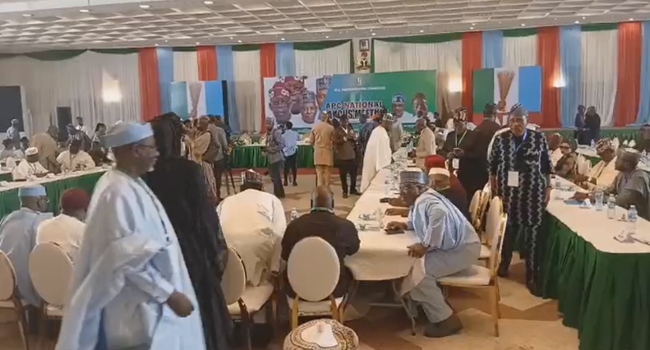
The Nasarawa governor revealed that the APC recently “welcomed its 29th serving governor,” explaining that Plateau State Governor Caleb Mutfwang had already attended a party meeting following his defection.
Sule added that this development followed the earlier reception of the Taraba State Governor, who is expected to be formally welcomed by the party in the coming days.
“As of yesterday, we welcomed the 29th governor—that is, the governor of Plateau State, to our meeting. It was the 28th after welcoming the governor of Taraba, who will be received officially in the next two days.
“These governors are actually going to be those who are selling the party, who are also selling themselves, and who are selling Mr. President. Most likely, a few more governors will join,” he said.
Despite the growing number of APC-controlled states, Sule dismissed suggestions that Nigeria is drifting toward a one-party system, describing such fears as exaggerated and unrealistic.
“There is no way all 36 governors will belong to one party. And even if that were to happen, Nigeria would still not become a one-party state. From all indications, that scenario is not even going to occur,” the governor stated.
Looking ahead to the next general election, Sule expressed optimism about the APC’s prospects in 2027, arguing that the party is in a stronger position than it was during the 2023 polls.
According to him, the 2027 elections will not be framed as a struggle between the APC and the electorate but will instead focus on the candidates themselves.
Wave of Defections
Several governors have recently defected to the ruling party, including Abba Yusuf of Kano State from the New Nigeria Peoples Party, as well as Siminalayi Fubara of Rivers, Peter Mbah of Enugu, Umo Eno of Akwa Ibom, Sheriff Oborevwori of Delta, Douye Diri of Bayelsa, and Agbu Kefas of Taraba State, all from the Peoples Democratic Party.
Most recently, Plateau State Governor Caleb Mutfwang formally left the PDP for the APC on Tuesday, raising the total number of APC governors to 29.
While many of the defections have been attributed to “internal crises” within opposition parties, the shifting political landscape has intensified national debate over the configuration of power ahead of the 2027 general elections.
What you should know
The surge in defections to the APC has reshaped Nigeria’s political balance ahead of the 2027 elections.
While the ruling party now controls the majority of state governments, concerns have emerged about democratic plurality and opposition strength. Governor Sule insists these fears are misplaced, arguing that defections reflect internal challenges within opposition parties rather than a move toward one-party dominance.
The developments signal a competitive buildup to 2027, where candidate appeal and party performance are expected to play decisive roles.