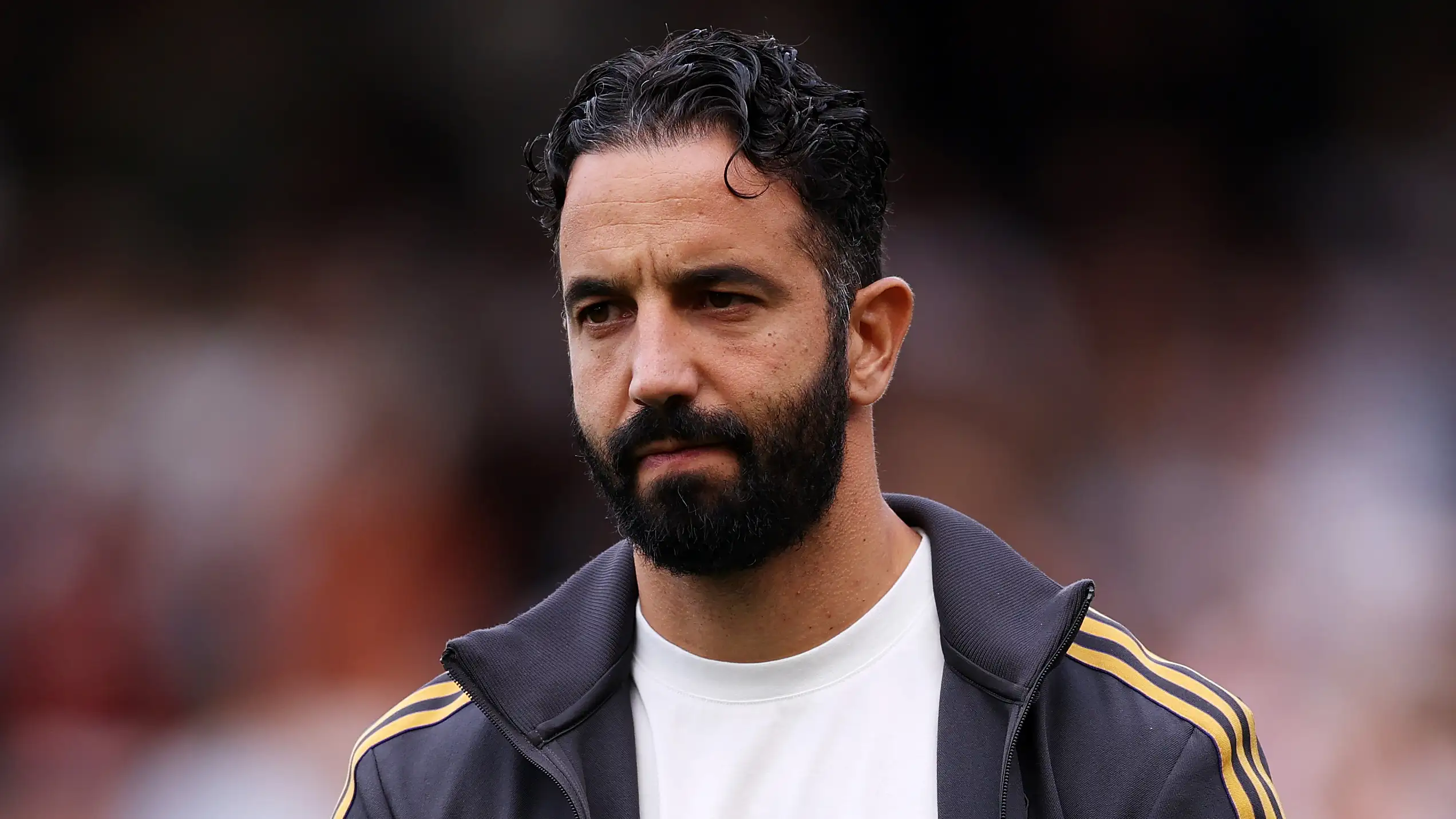
Manchester United manager Amorim restated that his only priority is winning matches, emphasising that his choices on matchday are determined strictly by form and preparedness rather than names, past accomplishments, or academy status.
His remarks surfaced at a moment when concerns continue to swell about the limited minutes given to 20-year-old Kobbie Mainoo and Liverpool-born academy forward Lacey.
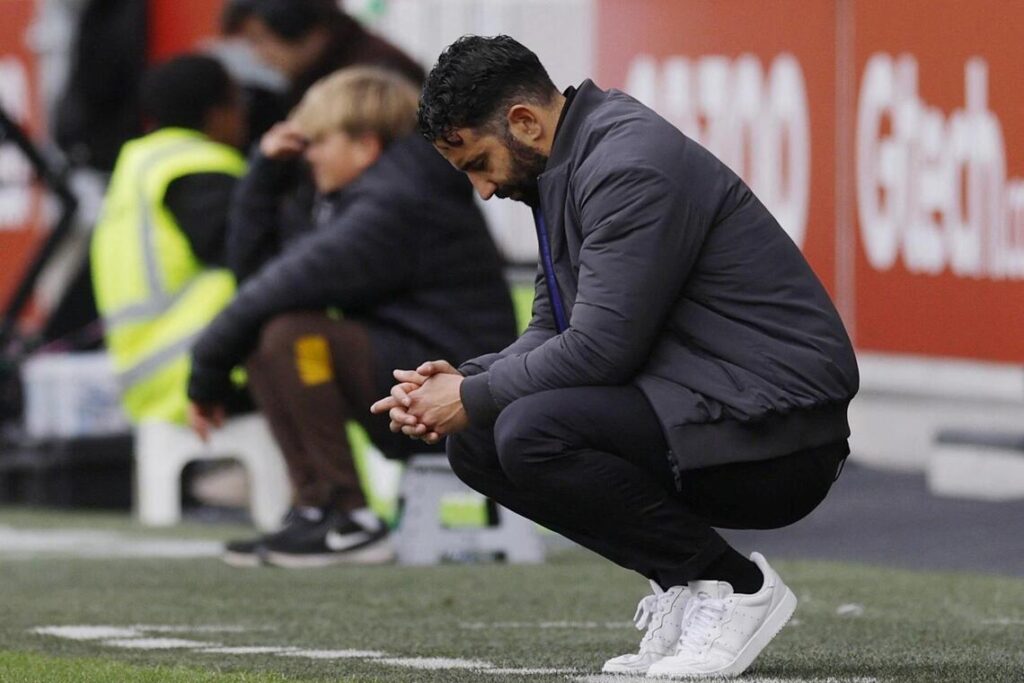
Mainoo, who found the net in United’s FA Cup final victory over Manchester City and earned a starting role for England in the Euro 2024 final, has struggled to secure a regular position in the team this season. Lacey, on the other hand, has still not played a senior game even though he has repeatedly remained the only attacking substitute available in several fixtures.
When pressed about Mainoo’s situation, Amorim replied that he understood the sentiments but insisted the final call rests with him alone. “Of course, I understand, and my job is to answer. But you always ask me the same thing. I understand what you are saying. You love Kobbie. He starts for England. But that doesn’t mean that I need to put Kobbie in when I feel that I shouldn’t. It’s my decision,” he said.
He also declined to guarantee that circumstances would shift once Bryan Mbeumo and Amad Diallo travel for Africa Cup of Nations commitments later this month. He explained that his decisions are tied to what he observes in training and what he believes best serves the team at each moment. “I don’t know. It depends. I’ve seen the training. If it’s the best thing for the team, I will put him in. That is the only way I know how to respond to that,” he added.
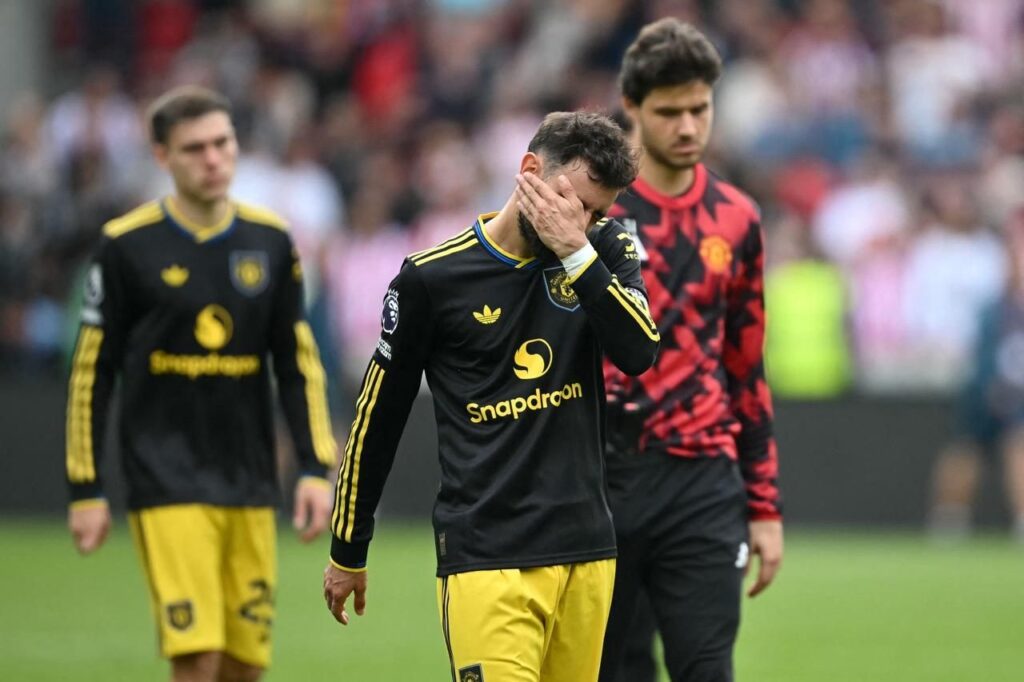
Amorim has repeatedly clarified that his guiding principle remains unchanged—readiness and performance come before everything else. “I just want to win. I don’t look at who it is, I don’t care about that. I’m just trying to put the best players on the pitch,” he said.
The growing tension has led to broader discussions about United’s approach to developing homegrown talent. Mainoo was reported to have pushed for a loan move to Napoli over the summer in hopes of keeping his place secure in England’s World Cup squad, but the club allegedly declined the move. Lacey’s persistent absence, even when other forwards were unavailable, has intensified suggestions that Amorim may not yet view the academy pipeline as dependable for consistent first-team contributions.
Despite the external pressure, Amorim remained unwavering, insisting that every decision is made with only the team’s immediate needs in mind. “I try to put the best guys, the prepared guys, for this moment of the club, in trying to win the game. That’s the only thing,” he said.
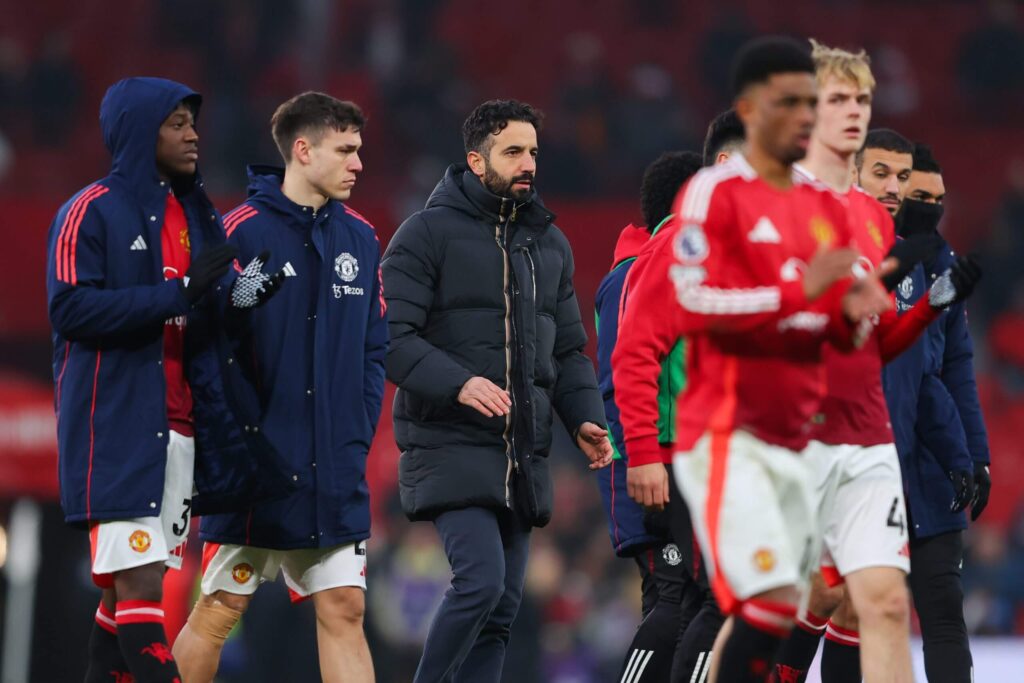
As Manchester United continue to experience fluctuating performances, supporters will watch closely to see whether Amorim adjusts his strategy regarding young players or maintains his current stance of prioritising immediate results over long-term development paths.
What You Should Know
Amorim’s position highlights an ongoing debate at Manchester United about the balance between results and youth development.
His insistence on playing only those he feels are ready has placed pressure on promising talents like Mainoo and Lacey, whose limited opportunities have drawn frustration from fans and analysts. With key players soon departing for international duty, attention is now focused on whether Amorim will shift his approach or continue to rely solely on those he believes are prepared for the moment.
His decisions in the coming weeks may shape both squad morale and United’s long-term developmental identity.