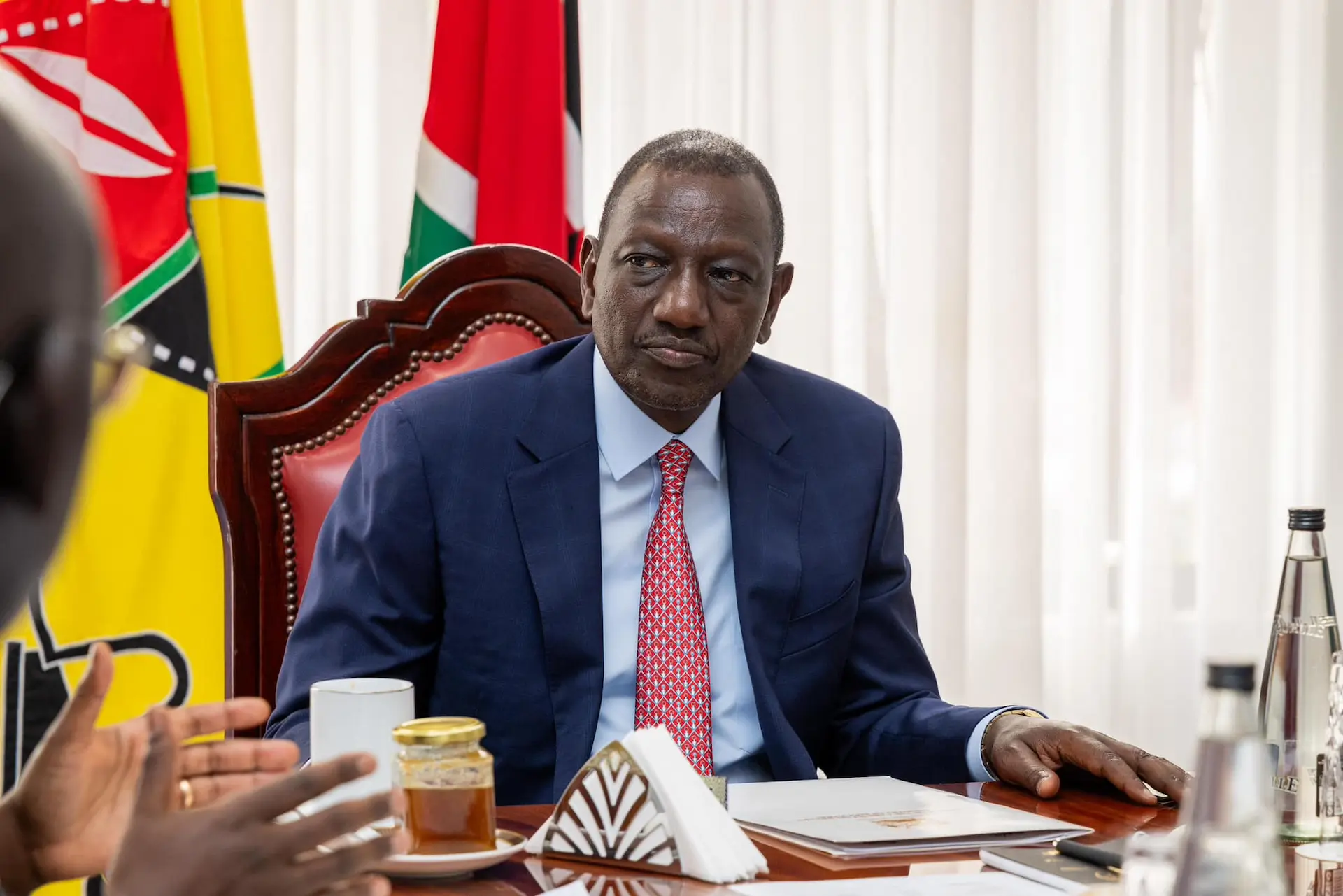
Amnesty International has condemned a recent comment by Kenyan President William Ruto, in which he suggested that protesters involved in violence during ongoing anti-government demonstrations should be “shot in the leg.”
The rights group described the statement as *unlawful and dangerous*, warning it could lead to further escalation of violence in a country already shaken by mass protests and security crackdowns.
At least 38 people were reportedly killed last week alone during the youth-led protests, which have grown into a widespread revolt against Ruto’s economic policies and tax proposals. The statement by Ruto, critics say, further stokes tensions at a time when national unity and restraint are needed.
“It is extremely dangerous for politicians to instruct police officers on how to conduct policing during protests,” said Irungu Houghton, Executive Director of Amnesty Kenya. “Such statements escalate violence and encourage clashes between police, protesters, and even criminal elements.”
The protests have been marked by heavy-handed police tactics, including alleged use of live ammunition, extrajudicial killings, and mass arrests. A new report from the Police Reforms Working Group — a coalition of rights groups including Amnesty — detailed harrowing accounts of disappearances, unlawful detentions, and excessive force by law enforcement. More than 500 civilians and police officers are said to have been wounded in the chaos.
While police have denied the allegations, calling them a “false narrative,” international bodies like the United Nations have urged restraint and impartial investigations.
Interior Minister Kipchumba Murkomen, responding to the backlash, acknowledged police excesses and promised a policy directive on use of force by Friday. “There is no law that excuses a police officer to commit crimes or kill people,” he stated.
The ministry confirmed that over 1,500 people have been arrested in connection with the last two protests, with 71 suspects handed over to the anti-terrorism unit. The demonstrations have also caused widespread economic disruption, with looting, business closures, and losses reportedly amounting to over 1.1 billion Kenyan Shillings (about \$14 million).
As tensions continue to mount, Amnesty and other civil society groups are calling for dialogue, accountability, and an end to violent repression.
What you should know
Kenya is experiencing one of its most turbulent periods in recent years, with deadly protests, economic hardship, and controversial remarks by President Ruto fuelling unrest.
Amnesty International warns that directives like “shooting protesters” could worsen the crisis and erode civil liberties.