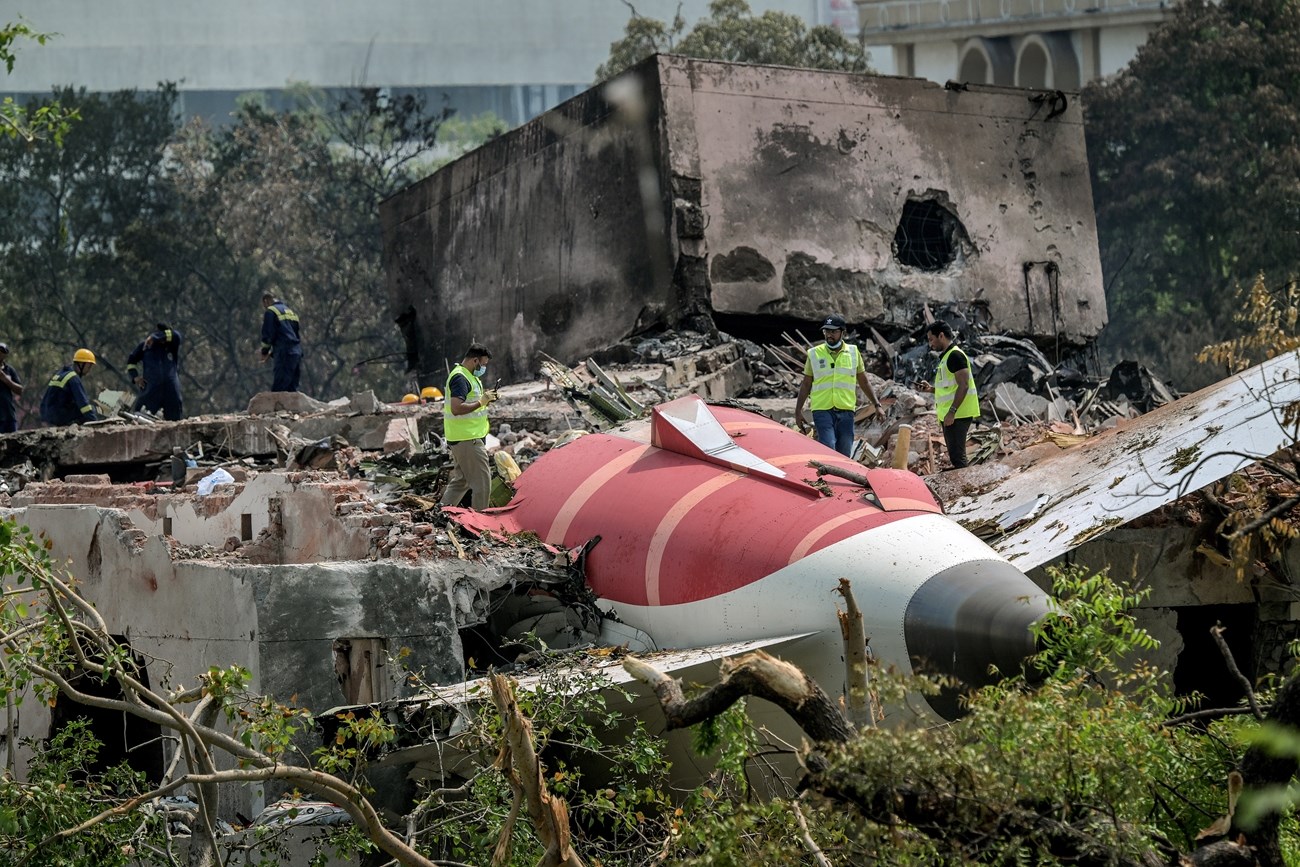
A preliminary report into the fatal crash of an Air India Boeing 787-8 Dreamliner has revealed that the aircraft’s engine fuel control switches were moved from the “RUN” to the “CUTOFF” position just moments before it plummeted to the ground, killing 260 people, including 19 on the ground.
The report, issued early Saturday by India’s Aircraft Accident Investigation Bureau (AAIB), stops short of assigning blame but outlines crucial events leading to the June 12 tragedy.
The ill-fated flight was en route from Ahmedabad in western India to London when it crashed shortly after takeoff. Onboard were 230 passengers—169 Indians, 53 British nationals, seven Portuguese citizens, and one Canadian—along with 12 crew members. Only one passenger, a British citizen, survived the crash and has since been discharged from hospital.
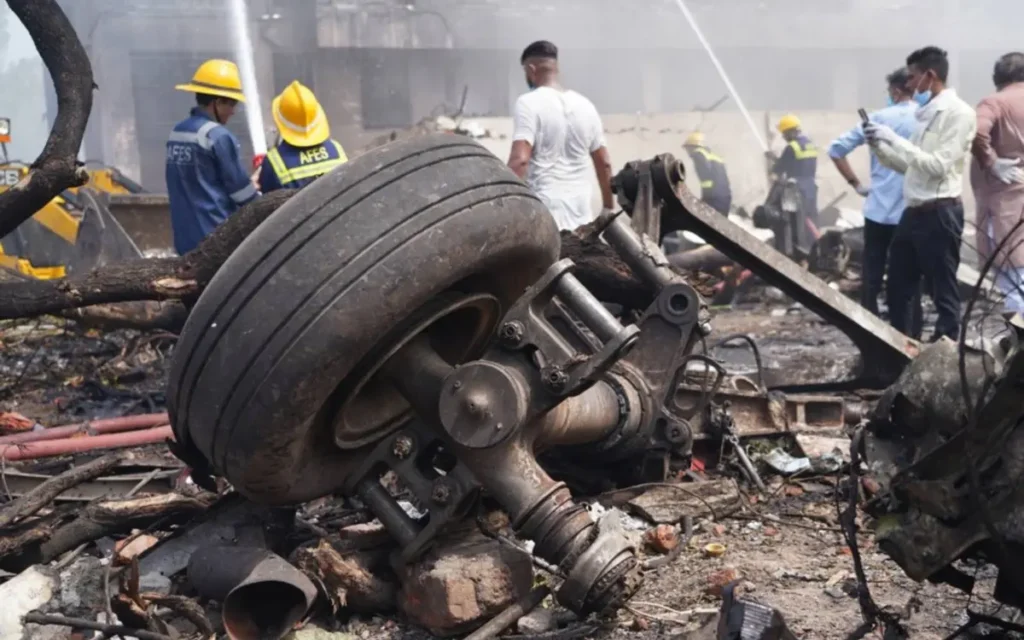
According to the 15-page preliminary report, the aircraft had just reached its top recorded speed when both engines suddenly shut down. Specifically, the engine fuel switches transitioned from “RUN” to “CUTOFF” within the span of a single second—one after the other.
In a critical exchange captured by the cockpit voice recorder, one pilot questioned the other: “Why did he cutoff?” The response was equally unsettling: “He did not.” This key moment raises questions as to whether the switches were activated intentionally, accidentally, or due to a technical malfunction.
Moments later, the switches were returned to the “RUN” position, and the engines appeared to respond, but by then the aircraft was in rapid descent.
A “MAYDAY MAYDAY MAYDAY” distress call was transmitted from the cockpit, but before air traffic controllers could ascertain the issue, the plane had already impacted the ground.
The AAIB report does not list any mechanical failures with the aircraft or its engines. Both Boeing, the aircraft manufacturer, and GE, the engine supplier, have not been found at fault thus far.
The agency noted that the United States Federal Aviation Administration (FAA) had issued a bulletin back in 2018 concerning a potential issue with the locking feature of the engine fuel control switches. However, this bulletin was deemed advisory, not mandatory. As a result, Air India did not conduct the recommended inspections.
Air India maintains that the aircraft complied with all mandatory airworthiness directives and alert bulletins. Boeing, in its response, reiterated its support for the ongoing investigation and extended its condolences to the families of the victims. Air India has also committed to continued cooperation with regulators and stakeholders.
Although the cause of the switch movement remains unclear, specialists quoted earlier this week by *The Air Current* suggested that the probe had honed in on the fuel switches as a focal point of the investigation. However, they cautioned that the scope of the inquiry may evolve over time, and that a full analysis could take months or more.
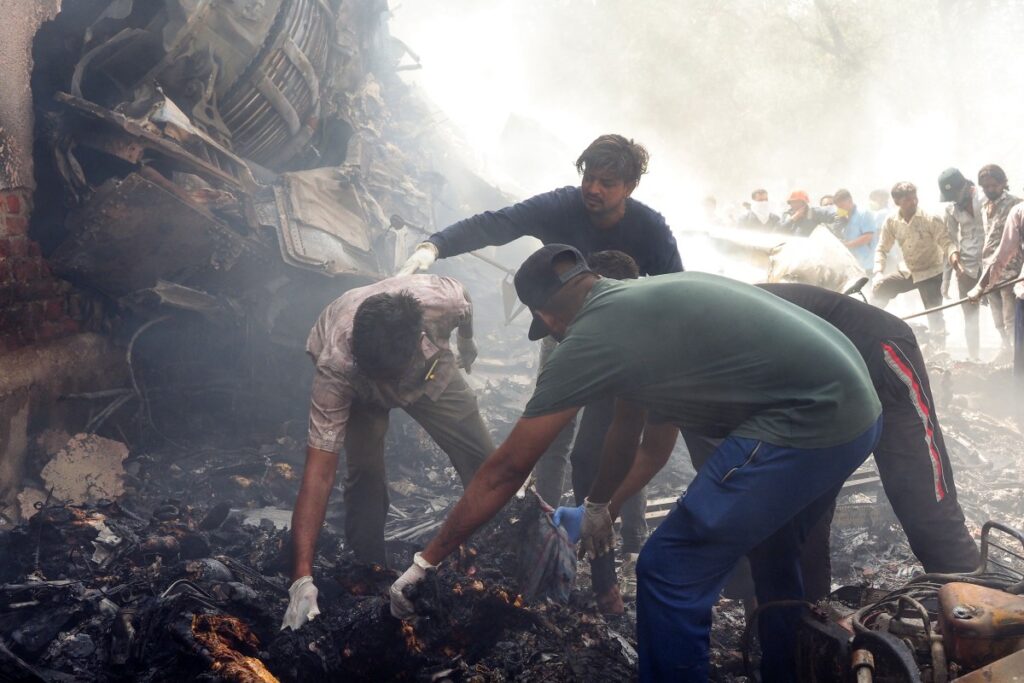
The investigation is being conducted in collaboration with U.S. and British air safety authorities, as well as the UN’s International Civil Aviation Organization (ICAO), which mandates that a preliminary report be published within 30 days of a crash. The Indian bureau confirmed that further evidence and input are still being collected from relevant stakeholders.
Initial casualty figures stood at 279, but this number was revised after forensic experts identified multiple remains as belonging to the same individuals.
In the meantime, many families continue to seek closure. With no immediate recommendations issued for other Dreamliner operators or engine users, and no definitive explanation provided for the critical moment when both engines lost power, many questions remain unanswered.
What You Should Know
The Air India crash that claimed 260 lives is now under intense investigation, with early findings pointing to both engine fuel switches being turned off moments before the crash.
While no fault has been officially determined, investigators are exploring whether the switches were moved accidentally or due to a technical fault, as one pilot denied initiating the shutdown.