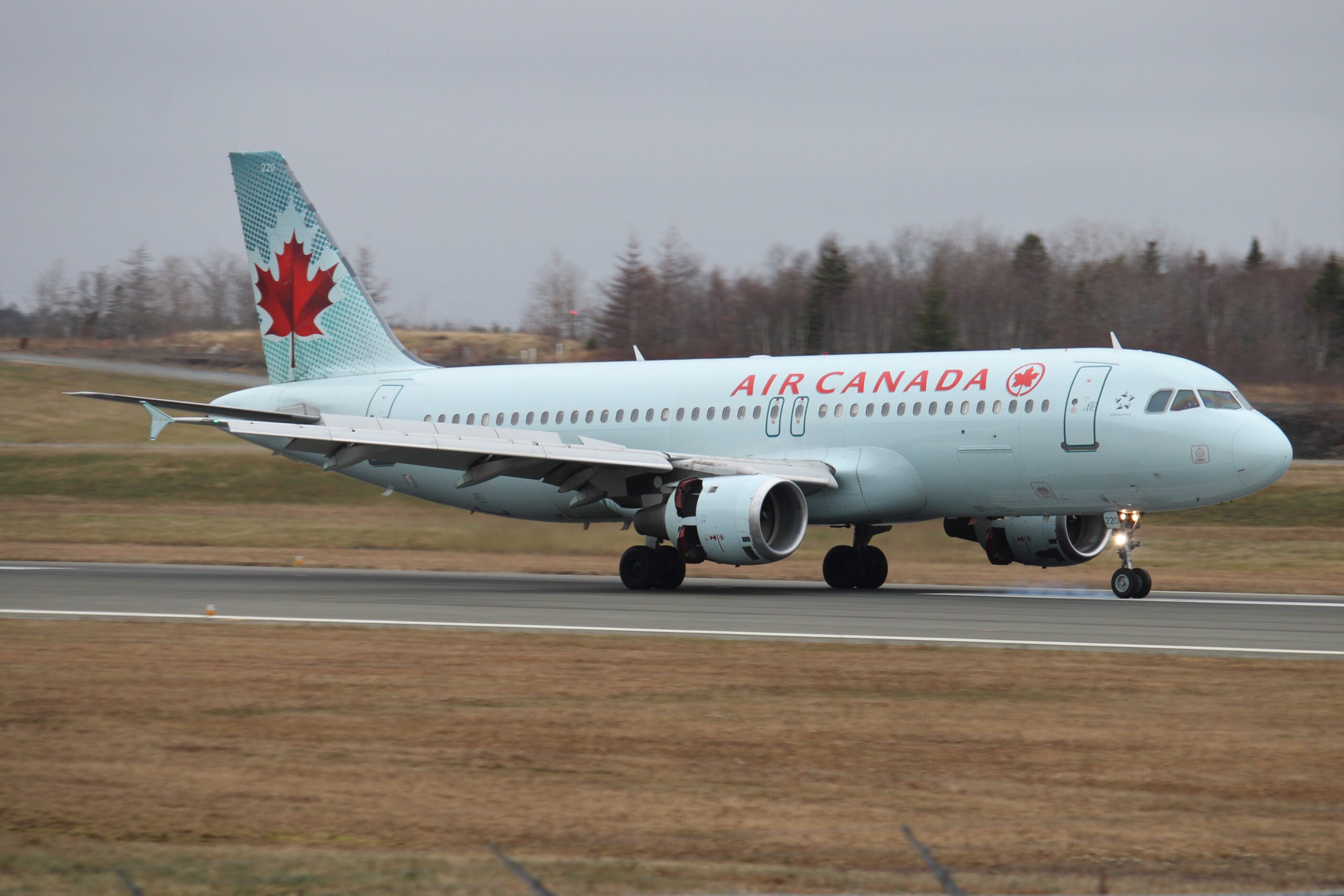
Air Canada’s flight attendants went on strike early Saturday, forcing the airline into a complete shutdown and creating widespread summer travel disruption for its 130,000 daily passengers.
“We are now officially on strike,” the Canadian Union of Public Employees (CUPE), which represents Air Canada’s 10,000 flight attendants, announced in a statement.
The airline, which operates flights to 180 cities globally, confirmed that it had “suspended all operations” following the strike. It urged affected customers to avoid airports, stating that it “deeply regrets the effect the strike is having on customers.”
The union became legally entitled to strike at 12:01 am (0401 GMT) after issuing a 72-hour strike notice on Wednesday. The work stoppage officially began at 12:58 am, according to both CUPE and Air Canada.
Ahead of the strike, Air Canada had already begun scaling down operations. By Friday evening, 623 flights were canceled, impacting over 100,000 passengers. The airline’s entire 700-flight schedule for Saturday has now been scrapped.
Wage Dispute and Unpaid Work
CUPE is pushing for wage increases and changes to address uncompensated ground duties, such as assisting passengers during boarding.
Rafael Gomez, director of the University of Toronto’s Center for Industrial Relations, explained that airlines commonly pay attendants only for in-air time, which many passengers may see as unfair.
“An average passenger, not familiar with common industry practice, could think, ‘I’m waiting to board the plane and there’s a flight attendant helping me, but they’re technically not being paid for that work,’” he said. “That’s a very good issue to highlight.”
Air Canada outlined its latest proposal on Thursday, noting that under its terms, a senior flight attendant could earn an average of CAN\$87,000 ($65,000) annually by 2027. However, CUPE rejected the offer, calling it “below inflation (and) below market value.”
The union also declined requests from the federal government and the airline to settle the dispute through independent arbitration.
Economic Impact Looms
Gomez predicted the strike may not last long, given the peak travel season. “The airline does not want to lose hundreds of millions of dollars in revenue… They’re almost playing chicken with the flight attendants,” he noted.
Meanwhile, the Business Council of Canada warned of broader consequences, stating: “At a time when Canada is dealing with unprecedented pressures on our critical economic supply chains, the disruption of national air passenger travel and cargo transport services would cause immediate and extensive harm to all Canadians.”
What you should know
Air Canada’s 10,000 flight attendants, represented by CUPE, launched a nationwide strike over wages and unpaid duties, halting all 700 flights in a day and stranding over 130,000 passengers.
The dispute highlights industry practices around unpaid ground work and is unfolding at the height of Canada’s busy travel season.