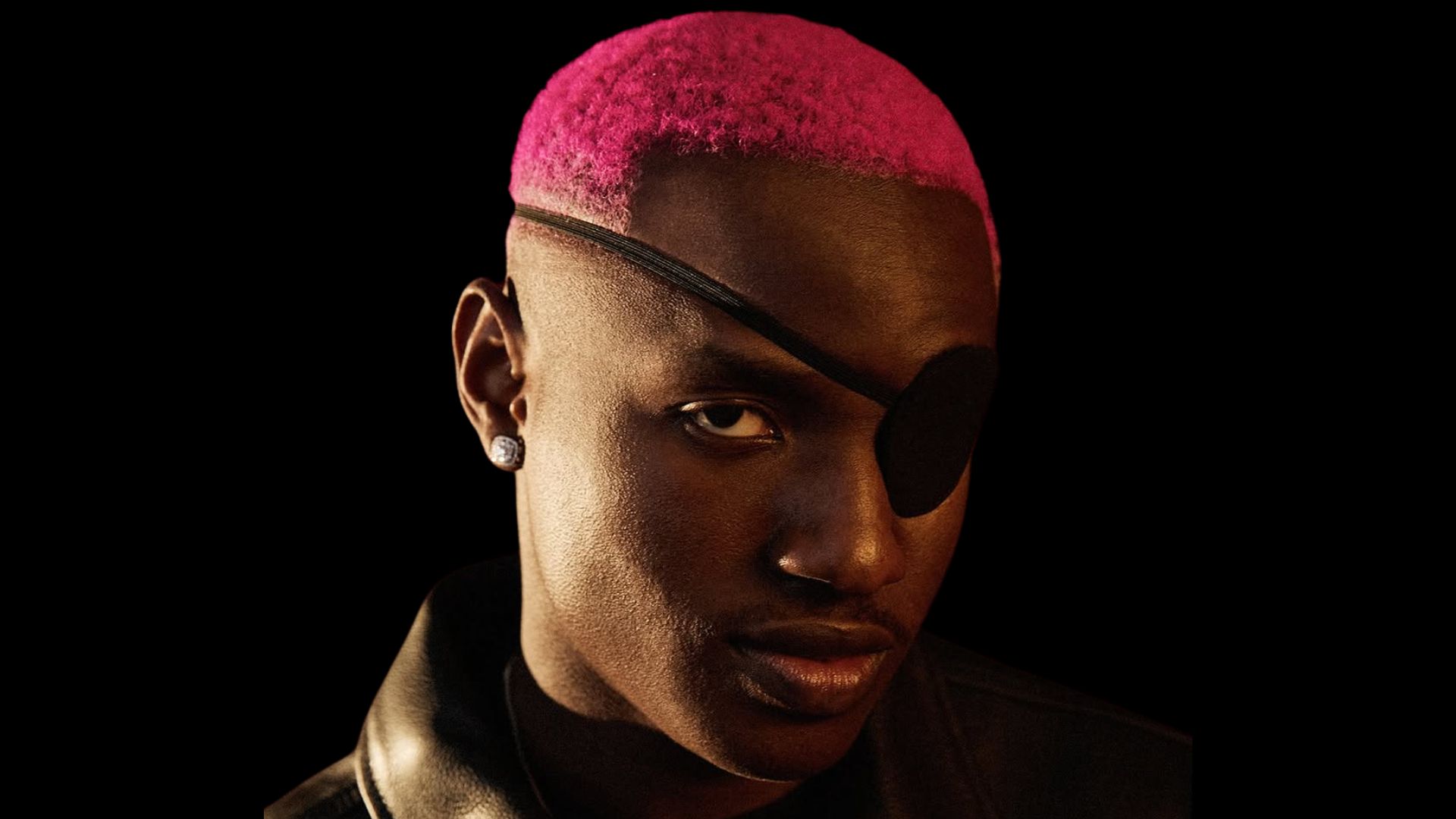
Rising Afrobeats sensation Michael Adebayo, professionally known as Ruger, has opened up about the harsh realities he faced after making the bold decision to leave his former record label, Jonzing World, in 2024.
In a candid interview with Afrobeats Intelligence, the 25-year-old artist detailed the systematic backlash he encountered from industry insiders who branded him “ungrateful” for pursuing independence. His revelations shed light on the often-unspoken challenges artists face when attempting to break free from traditional label structures in Nigeria’s rapidly evolving music industry.
The controversy began when Ruger announced the establishment of his imprint, Blown Boy Entertainment, marking his definitive departure from Jonzing World. The split was far from amicable, with the artist publicly criticizing what he described as “loyalty to godfathers”—a “pointed reference to the hierarchical power structures that dominate Nigeria’s music business.”
According to Ruger, his grievances with his former label extended beyond creative differences. He alleged that Jonzing World was diverting his earnings to promote newer signees while keeping him in the dark about financial decisions. Perhaps more damaging to his career prospects, he claimed the label failed to aggressively promote his brand, ultimately leading to his decision not to renew his contract.
The aftermath of his departure painted a stark picture of the music industry’s response to artists who choose independence. Ruger described facing widespread skepticism about his ability to sustain his career momentum, with industry veterans predicting he would manage “one more tour” before disappearing into obscurity.
“After leaving the label, there were lots of comments about it,” Ruger explained. “Some people were saying, ‘This is the last year you’re going to tour.’ This is the end. You are finished. Not everybody was willing to help in any way.”
The artist’s experience highlights a broader pattern within Nigeria’s music industry, where departing artists often face professional isolation. “Once you leave a label in Nigeria, they call you ungrateful already,” he noted. “Many people do not want to associate with that person.”
This stigmatization forced Ruger into what he described as a grueling process of rebuilding his career from the ground up. The singer had to essentially reintroduce himself to industry contacts, reconstruct his support systems, and navigate the complex web of relationships that fuel Nigeria’s music ecosystem.
“I had to meet a lot of people. Just like reintroducing myself, doing a lot of things from scratch. It was stressful,” Ruger admitted. “You have to build your system; it was starting everything over and over again.”
Despite the emotional toll of the experience, Ruger emphasized his resilience in weathering the storm. “I was also down. But I was still strong,” he reflected, suggesting that inner strength proved crucial in overcoming the industry’s attempts to marginalize him.
The singer’s revelations come at a time when discussions about artist rights and label relationships are gaining prominence across Africa’s music industry. His story underscores the risks artists face when challenging established power structures, even as the global success of Afrobeats continues to attract international attention and investment.
Ruger’s decision to speak publicly about his experiences may signal a broader shift in how artists approach these traditionally private industry disputes, potentially encouraging more transparency in an industry long characterized by behind-the-scenes power dynamics.
As the dust settles on his transition to independence, Ruger’s journey serves as both a cautionary tale and an inspiration for emerging artists navigating similar crossroads in their careers.
WHAT YOU SHOULD KNOW
Nigerian artist Ruger’s departure from Jonzing World in 2024 exposed a toxic industry culture where independent artists face systematic blacklisting and are branded “ungrateful” for leaving their labels.
Despite predictions of career failure and industry isolation, Ruger’s experience reveals the harsh reality that artists in Nigeria’s music scene must essentially rebuild their careers from scratch when choosing independence, challenging the power structures that prioritize label loyalty over artistic freedom.