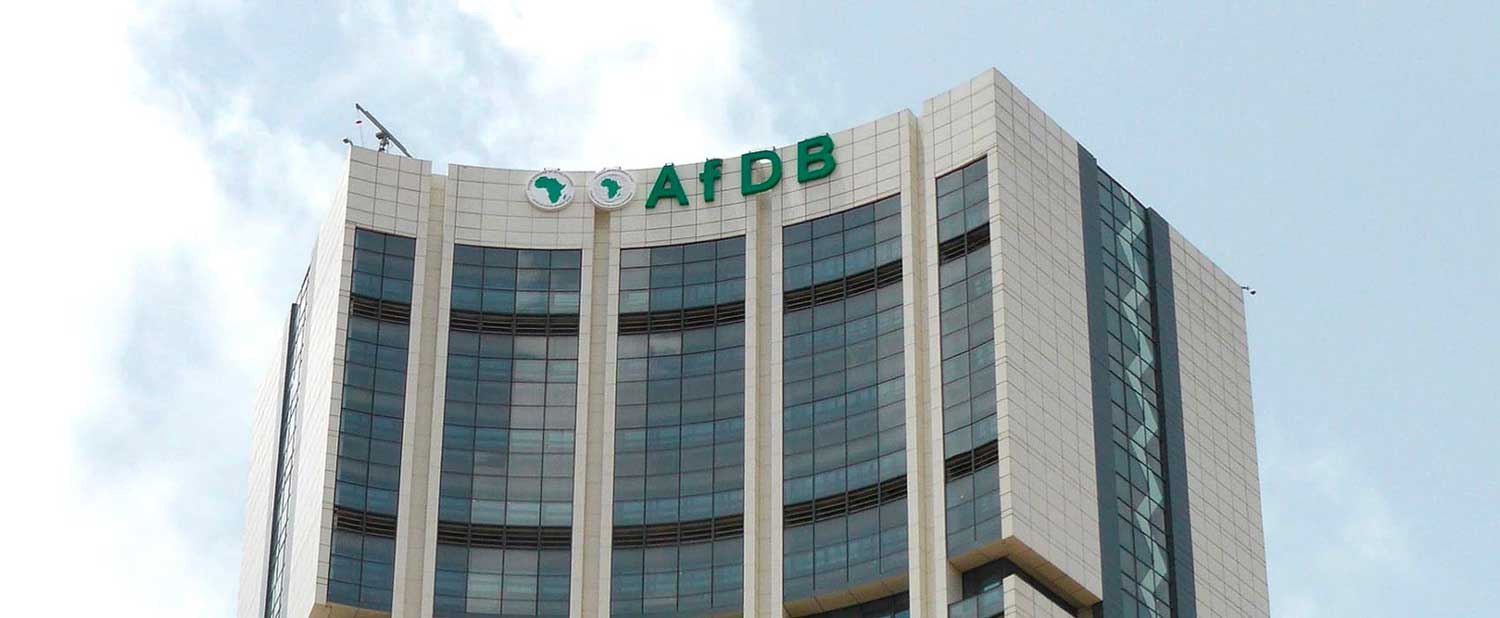
The African Development Bank Group (AfDB) has thrown a financial lifeline to tax authorities across West Africa.
The bank signed a $5.52 million grant agreement with the West African Tax Administration Forum (WATAF) to launch the Strengthening Tax Administration Capacity Project in West Africa (STACP-WA), the first region-wide tax initiative ever financed by the AfDB.
The funds, drawn from the African Development Fund’s concessional Transition Support Facility, target a group of countries long grappling with weak revenue collection, porous borders, and heavy dependence on foreign loans and aid. While the grant is framed regionally and the signing itself took place in Abuja, its direct impact will be felt most acutely in six nations: Burkina Faso, Guinea, Guinea-Bissau, The Gambia, Liberia, and Sierra Leone.
Nigeria, though not a primary beneficiary, is deeply embedded in the story: the agreement was inked by the AfDB Director General for Nigeria. Dr. Abdul B. Kamara and the Nigeria Revenue Service will actively contribute technical expertise alongside ECOWAS.
At its core, STACP-WA is about building modern, transparent, and efficient tax machines where they are needed most. Participating tax and customs administrations will receive hands-on technical assistance to digitize operations, tighten oversight of revenues from natural resources (think mining in Guinea and Liberia or extractives across the Sahel), and plug the chronic leakages that bleed national treasuries dry.
Digital tools, including a new electronic invoicing toolkit, enhanced transfer-pricing instruments for extractive industries, and training modules aligned with the African Continental Free Trade Area (AfCFTA), are central to the strategy. Additional support will flow into VAT implementation, customs valuation, mining governance, and even gender-responsive tax policies.
The AfDB could not have been clearer about the stakes. “Strengthening tax administration is essential for creating the fiscal space needed to support economic development across West Africa,” Dr. Kamara declared at the signing. “The project will help governments enhance efficiency in revenue collection, curb leakages, and strengthen governance in both domestic taxation and the management of extractive sector revenues.”
WATAF Executive Secretary Jules Tapsoba called the moment historic. “This marks the first time WATAF is implementing a region-wide tax administration project financed by the African Development Bank Group, and it represents a significant milestone for our institution and for West Africa,” he said. “As the executing agency, we are proud to lead this pioneering effort.”
The project’s architecture reflects a deliberate emphasis on regional solidarity. A dedicated Project Implementation Unit inside WATAF will handle day-to-day operations, while a steering committee drawing representatives from WATAF, ECOWAS, and the beneficiary countries will provide oversight.
ECOWAS’s own domestic tax unit will also tap into the new regional platforms and knowledge products. Implementation runs through July 30, 2030, giving governments nearly four and a half years to embed lasting reforms.
For context, the timing is telling. Many of the target countries rank among West Africa’s most fragile states recovering from conflict, political upheaval, or health crises, where tax-to-GDP ratios remain stubbornly low and illicit financial flows continue to siphon resources that could otherwise fund schools, hospitals, or infrastructure.
By modernizing systems and fostering cross-border collaboration, the AfDB hopes to shrink the region’s reliance on external borrowing and create genuine “fiscal space” for homegrown development priorities.
The grant also dovetails neatly with Nigeria’s own aggressive tax overhaul. President Bola Tinubu’s four landmark tax reform laws, signed into effect at the start of this year, are already reshaping the country’s revenue architecture. Nigerian officials see the STACP-WA partnership as an opportunity to export hard-won expertise while learning from peers.
Analysts watching West Africa’s fiscal landscape say the move is both pragmatic and strategic. In an era of tightening global aid budgets and rising debt servicing costs, the ability to collect and manage domestic revenues is no longer a nice-to-have; it is existential.
If STACP-WA delivers on its promises—smarter digital systems, fewer leakages, and stronger regional coordination it could become a blueprint for similar interventions elsewhere on the continent.
For now, the ink is barely dry on the Abuja agreement, but the message from both the AfDB and WATAF is unmistakable: West Africa’s future prosperity will be built not on borrowed billions, but on taxes collected fairly, transparently, and efficiently at home. The clock is now ticking toward 2030.
WHAT YOU SHOULD KNOW
The African Development Bank has committed $5.52 million to modernize tax administration across six fragile West African countries—Burkina Faso, Guinea, Guinea-Bissau, The Gambia, Liberia, and Sierra Leone—through a pioneering regional project with WATAF running until 2030.