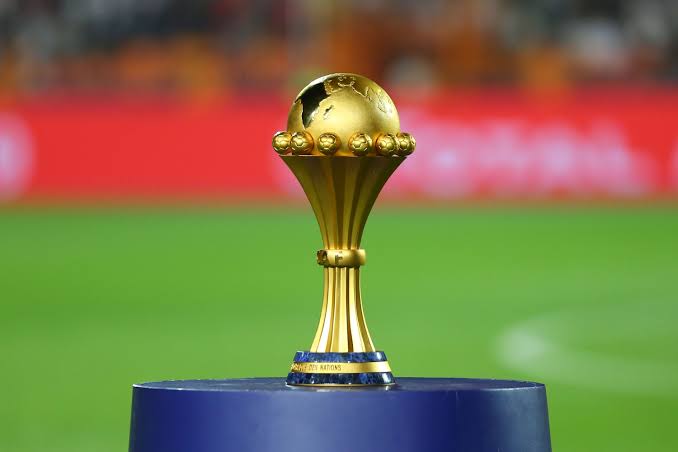
The Africa Cup of Nations will now be held once every four years, marking a significant departure from its long-standing biennial format, following an edition scheduled for 2028.
The announcement was made on Saturday by Confederation of African Football president Patrice Motsepe, who said the decision forms part of a broader overhaul of the international football calendar on the continent.

Motsepe explained that the restructuring is aimed at better aligning African competitions with an increasingly congested global football schedule. While staging the AFCON every two years has traditionally served as a crucial revenue stream for African national associations, he noted that the introduction of a new annual African Nations League would help offset any financial impact from the reduced frequency of the continental showpiece.
“Our focus now is on this AFCON, but in 2027 we will be going to Tanzania, Kenya, and Uganda, and the AFCON after that will be in 2028,” Motsepe told reporters in Rabat on Saturday, on the eve of the opening match of the Morocco-hosted tournament. He added that the changes would not diminish the competition’s stature but rather enhance it through better planning and improved commercial prospects.
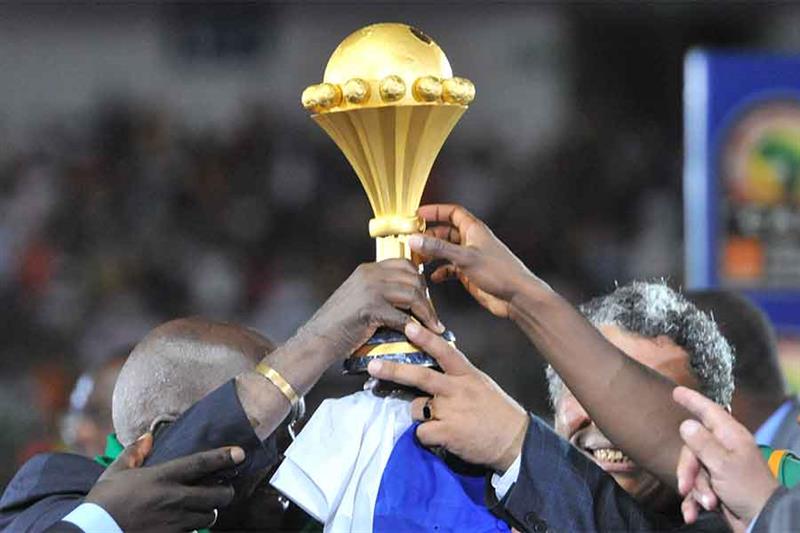
Motsepe further revealed that the African Nations League, modelled after UEFA’s equivalent competition, would debut after the FIFA Club World Cup in 2029. “Then after the FIFA Club World Cup in 2029 we will have the first African Nations League… with more prize money, more resources, and more competition. As part of this arrangement, the AFCON now will take place once every four years,” he said.
Since its inception in 1957, the Africa Cup of Nations has largely been staged every two years, becoming one of the most recognizable and competitive continental tournaments in world football. However, over the past 15 years, the competition has faced persistent scheduling challenges, particularly in balancing domestic leagues, European club commitments, and international fixtures.

This year’s edition in Morocco represents the eighth AFCON tournament to be staged since the 2012 competition co-hosted by Equatorial Guinea and Gabon. With the new four-year cycle, CAF believes the tournament will gain greater global visibility while allowing African players to better manage club and country demands.
What you should know
CAF’s decision to move the Africa Cup of Nations to a four-year cycle reflects growing pressure to harmonize African football with the global calendar.
The introduction of an annual African Nations League is designed to replace lost revenue from fewer AFCON editions while increasing competitiveness among national teams. The change also aims to reduce scheduling conflicts that have long frustrated clubs and players.
While AFCON has historically been held every two years, CAF believes a longer cycle will enhance tournament quality, commercial value, and player welfare without weakening African football’s international standing.