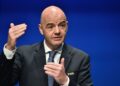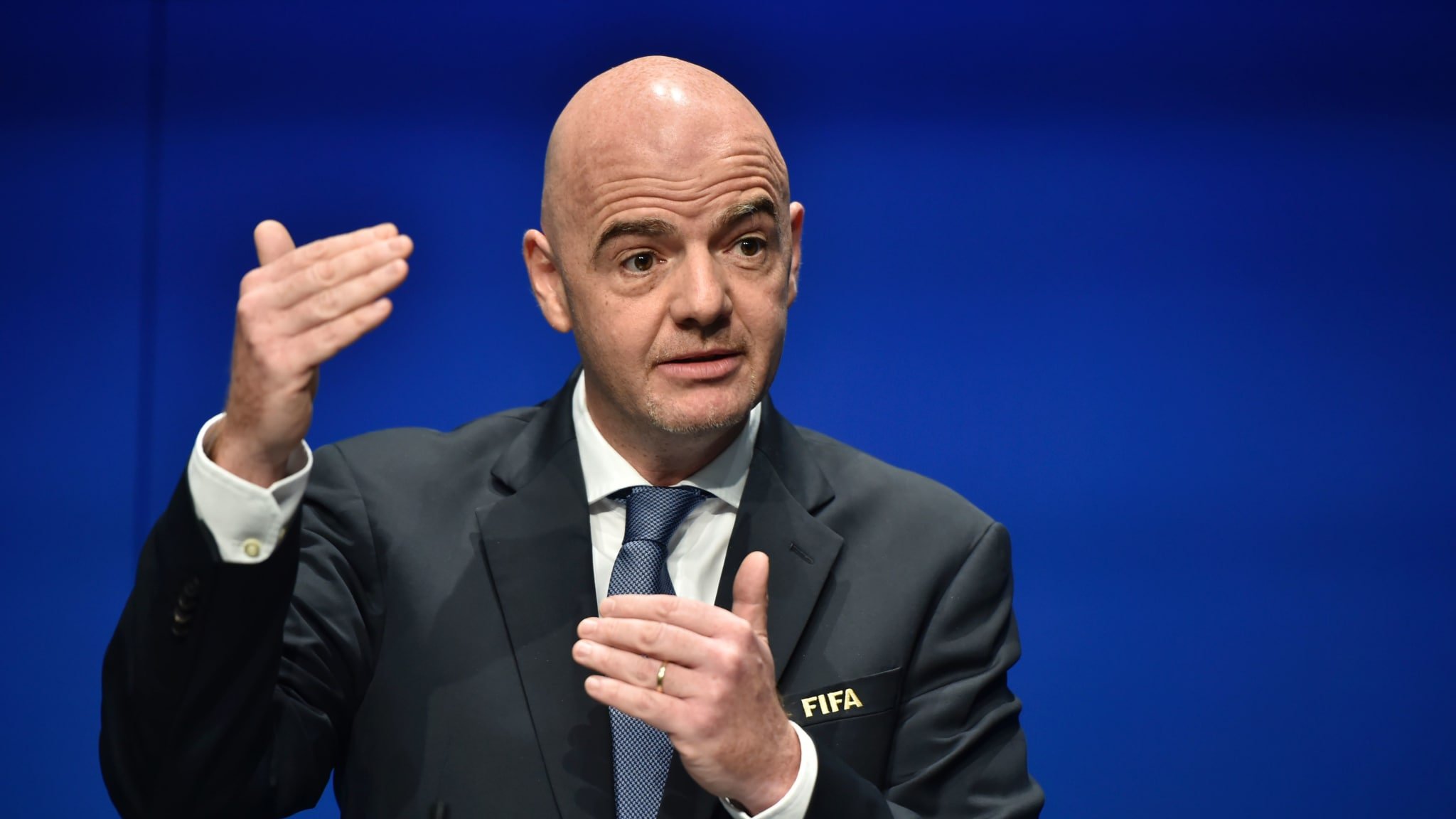
The Royal Belgian Football Association (RBFA) confirmed on Monday that it will not back Gianni Infantino for a fourth term as FIFA president, becoming the latest and most prominent voice in a swelling chorus of European federations turning their backs on the Swiss-Italian administrator.
According to reporting from Inside World Football and other outlets, the Belgian federation cited both the failed FIFA Forward Enterprise scheme and the controversy surrounding US international Folarin Balogun as the basis for its decision.
The announcement lands just a day after FIFA confirmed Infantino would seek another term as president, with the election scheduled for March 2027. He currently stands as the only declared candidate for a term that would keep him in charge of world football’s governing body until 2031, a decade and a half after he first took office.
Belgium’s objections center on two episodes that, in the federation’s telling, expose a governance culture allergic to scrutiny.
The first is FIFA Forward Enterprise, a scheme that would have opened the door to private investors taking stakes tied to FIFA’s World Cup commercial revenues.
The plan collapsed at the start of August under sustained pressure, and the RBFA said the episode raises questions regarding the transparency and governance of the process, adding that it remains aligned with UEFA in demanding answers about how the decision was reached.
The second, and more politically combustible, involves Balogun. The USMNT forward was sent off in the last-32 win over Bosnia and Herzegovina, triggering an automatic one-match ban that should have ruled him out of the round-of-16 clash with Belgium.
FIFA reversed course and lifted the suspension, a decision that prompted major backlash over political interference and sporting integrity after it emerged that US President Donald Trump had personally asked Infantino and FIFA to review the ban ahead of the match, which the United States went on to win.
FIFA has maintained that the call was made independently by the chair of its disciplinary committee, but that explanation has done little to quiet the backlash.
RBFA president Pascale Van Damme did not mince words about the federation’s patience running out, stating plainly that two months after the events, their questions remained unanswered.
Belgium has formally asked FIFA to place the Balogun case on the agenda for the FIFA Council meeting on October 15, and says it is working alongside UEFA on broader governance reforms.
Belgium now joins England and Italy among the national associations that have publicly withdrawn their support for Infantino’s re-election bid, according to multiple reports.
Separately, UEFA has escalated its own confrontation with FIFA in the courts, seeking discovery in US litigation tied to the abandoned investment scheme, a move FIFA has dismissed as amounting to a smear campaign.
Despite the mounting European discontent, Infantino’s position appears far from precarious.
His support base outside Europe, particularly across Africa and South America, remains largely intact, and with no rival candidate yet declared, his path to a fourth term looks for now secure on paper, even as the questions from Brussels go unanswered.
WHAT YOU SHOULD KNOW
Belgium has pulled its backing for Infantino’s re-election, but the real story isn’t governance jargon; it’s that a US president reportedly picked up the phone to get a World Cup suspension overturned, and FIFA still hasn’t explained itself two months later. That’s the detail driving European federations like Belgium, England, and Italy to break ranks, even though Infantino’s support elsewhere makes his re-election path largely unaffected for now.