Reno Omokri reveals what Tinubu’s FBI records contain
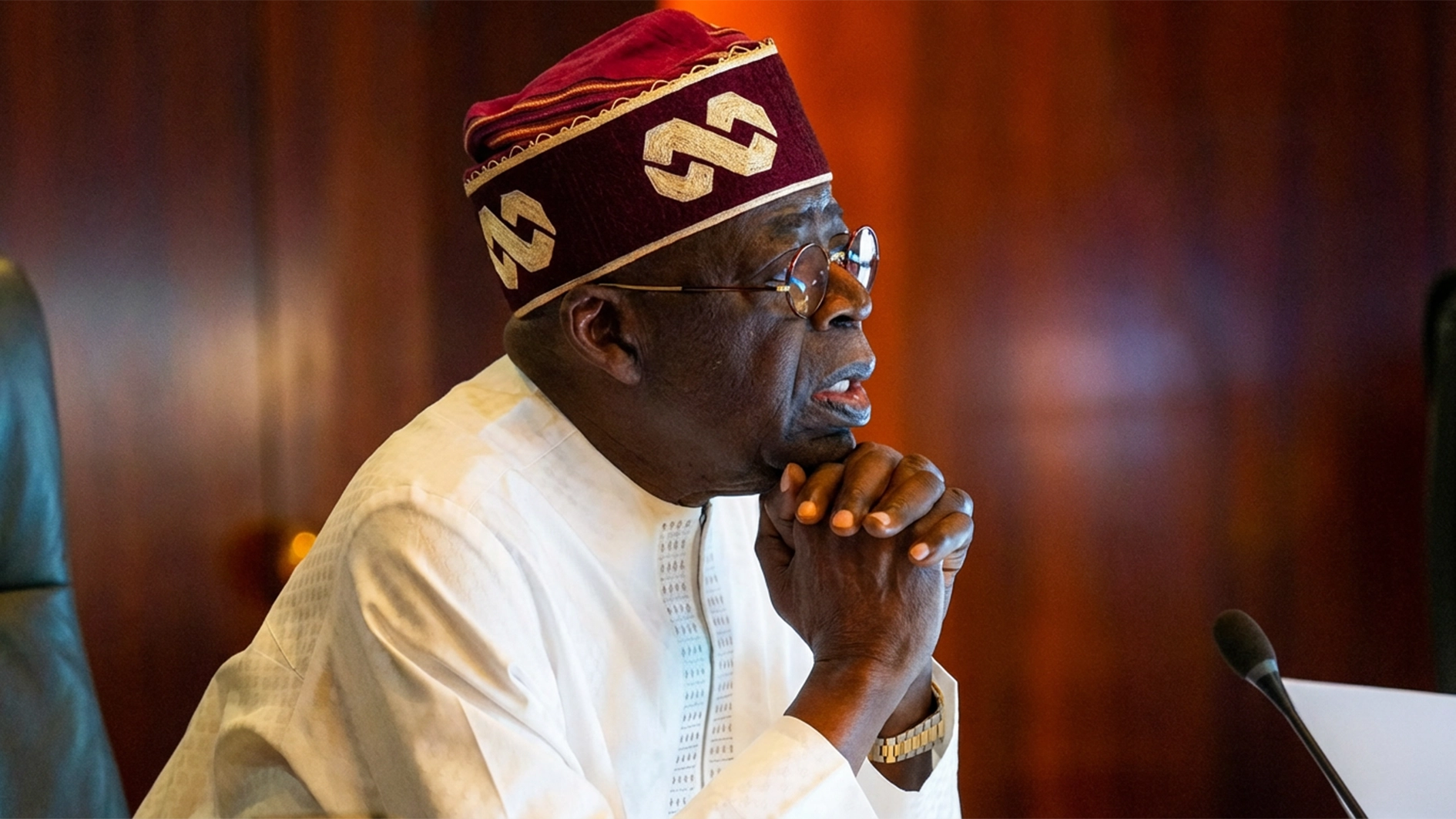
Ambassador-designate to Mexico, Reno Omokri, has said the records held by the United States Federal Bureau of Investigation (FBI) on President Bola Tinubu should not automatically be regarded as evidence of criminal activity.
Omokri made the claim during a media one-on-one podcast organised by the City Boy Movement, where he spoke alongside Otega Ogra, Senior Special Assistant to the President on Digital and New Media, and some journalists.
The former presidential spokesperson explained that there is a difference between an FBI record and a criminal record.
According to him, having a file with the American agency does not by itself mean that the person has committed a crime.
Omokri argued that people who interact with US institutions, including those who apply for visas and undergo background checks, can have information stored by American authorities.
He added that political candidates could also have such records as a result of their dealings with US institutions.
He maintained that he was not aware of any criminal FBI record against Tinubu and said the existence of an FBI file should not be used as proof of wrongdoing.
Omokri also gave an explanation for why some information in FBI files may not be suitable for public release.
He said such records can contain sensitive personal information, including fingerprints, eye scans, blood group, DNA information in some cases, financial details and information about family members.
He questioned whether people demanding the release of Tinubu’s records would be comfortable having similar personal information made public about themselves.
The comments come amid an ongoing legal dispute in the United States over requests for FBI and other federal records relating to Tinubu and investigations from the early 1990s.
The case followed Freedom of Information Act requests filed by Aaron Greenspan, founder of PlainSite, who sought records from several US federal agencies.
Some of the requests concerned an investigation into a Chicago heroin network that operated during the early 1990s and included Tinubu among people named in the requests.
Tinubu has asked a US district court to reject efforts seeking the release of some of the records.
His lawyers argued that information contained in the documents is protected by privacy provisions under US law and urged the court to allow the FBI and the Drug Enforcement Administration to maintain certain redactions and withhold information that they consider exempt from disclosure.
The FBI has also told the court that it cannot publicly provide every reason for withholding some of the material. The agency was subsequently allowed to submit a confidential declaration for the judge to review privately.
The dispute has continued to attract attention because of allegations connected to drug trafficking investigations in the US during the early 1990s.
Tinubu previously forfeited $460,000 to the US government in connection with a case involving alleged heroin trafficking.
In April 2025, US District Judge Beryl Howell ruled that the FBI and DEA had not sufficiently established a privacy interest in keeping secret the fact that Tinubu had been the subject of a criminal investigation.
She directed the agencies to search for and process records that were not exempt from disclosure, while upholding the CIA’s position that it could neither confirm nor deny whether it had responsive records.