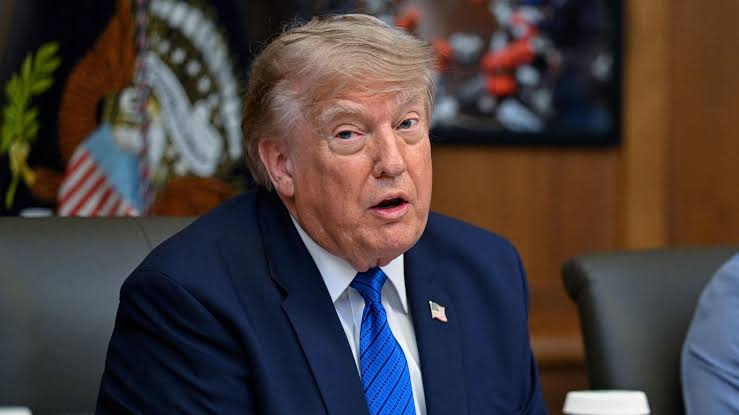
President Donald Trump escalated his standoff with Tehran on Wednesday, announcing on Truth Social what he billed as the harshest financial campaign ever launched against a nation, a move he framed as a last resort after diplomatic efforts with Iran broke down.
In a lengthy, all-caps post, Trump said no prior offer to Iran’s leadership had been as generous as the one he extended, but that Tehran had squandered the chance.
He declared he was announcing “the MOST CRUSHING ECONOMIC OPERATION EVER TAKEN AGAINST ANY COUNTRY,” describing it as economic warfare and isolation on an unprecedented scale.
He labeled the effort “Economic D-Day” and called on allied nations to join Washington in cutting Iran off from the global financial system.
The warning extended well beyond Iran’s borders. Trump cautioned that any country allowing its financial institutions, businesses, airports, or government entities to funnel support to Tehran would itself face severe economic consequences.
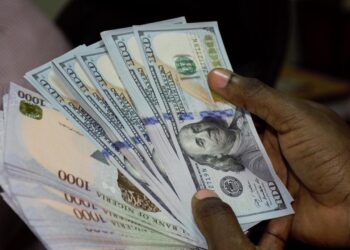
He singled out a list of workaround tactics, including oil smuggling, currency swap lines, cash transfers, exchange houses, ship registries, and front companies, demanding they cease immediately.
The announcement follows months of direct hostilities between the United States and Iran that began in late February, along with an economic pressure campaign the administration has run under the name Operation Economic Fury.
Iran’s economy is already reeling, marked by a collapsing currency, falling oil output, and soaring inflation, and the country ranks as the second-most sanctioned nation on earth, with more than 6,000 punitive measures already imposed on its financial, energy, petrochemical, aviation, and cryptocurrency sectors.
Trump argued Iran had little leverage left. He claimed the country’s navy had been destroyed, its air force wiped out, its military factories reduced to rubble, and its currency rendered worthless. He also reiterated a longstanding red line, insisting Tehran will never be permitted to obtain a nuclear weapon.
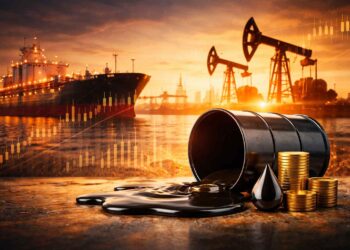
The timing is notable: the announcement came amid ongoing negotiations over reopening the Strait of Hormuz, the vital oil-shipping corridor that Iran effectively shut down at the outset of the conflict.
It also followed the United Arab Emirates’ decision a day earlier to sever trade ties with Tehran and came days after Treasury Secretary Scott Bessent signaled further sanctions were imminent.
Trump had also directed sharp threats at Oman this week, warning of military action if Muscat obstructed efforts to reopen the strait.
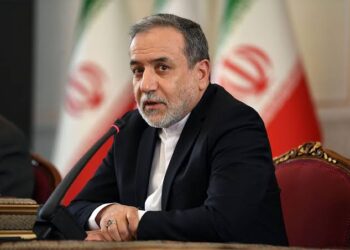
Tehran was quick to dismiss the threat. Iranian Foreign Minister Abbas Araghchi characterized the move as a distraction from America’s own mounting debt and interest costs and rejected the idea that repeating a failed strategy would yield a different result.
Whether the new sanctions regime will succeed where previous rounds have not remains an open question. Analysts note that Washington is betting the threat of so-called secondary sanctions penalties aimed at third countries doing business with Iran will do more to force Tehran back to the table than direct sanctions alone have managed so far.
WHAT YOU SHOULD KNOW
Trump is threatening to punish not just Iran but any country or institution that helps Iran evade sanctions, turning a bilateral pressure campaign into a global squeeze aimed at forcing Tehran to capitulate after nuclear talks collapsed.
Whether this succeeds hinges less on Iran, which is already the world’s second-most sanctioned nation, and more on whether US allies actually comply with the crackdown.