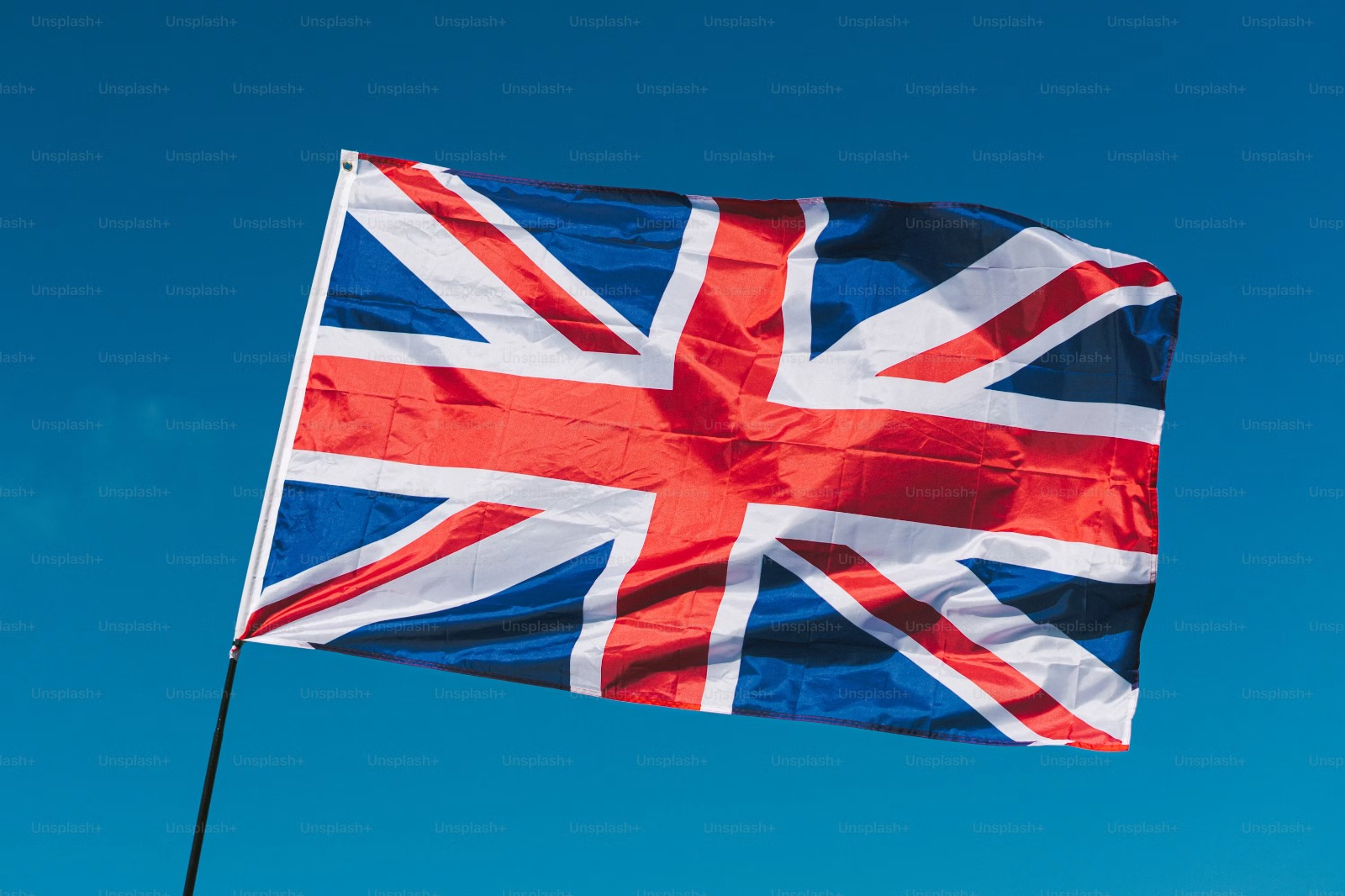
Britain’s economic engine lost some momentum in the second quarter of 2026, official figures showed Thursday, as a summer of political upheaval and an energy shock stemming from the war between the United States and Iran combined to squeeze growth without derailing it entirely.
The Office for National Statistics said gross domestic product expanded by 0.4 percent between April and June, a step down from the 0.6 percent pace recorded in the opening three months of the year.
The figures land at a delicate moment for the government, arriving weeks after a change of prime minister and amid growing pressure from the political right.
The reshuffle at the top of British politics has been dramatic even by Westminster’s volatile recent standards. Keir Starmer stepped down as prime minister in late June, and Andy Burnham took over roughly a month later, as Labour’s standing in the polls continued to erode against the insurgent hard-right party Reform UK.
The leadership change has left the new administration eager to demonstrate economic competence, and Thursday’s data gave it a narrative to work with, however mixed.
Chancellor John Healey struck a determinedly upbeat tone in the aftermath of the release, describing Burnham’s government as “hands-on” and focused on “putting British interests first.”
In a statement, Healey said the administration was “giving breathing space to those feeling the strain, making our country more resilient and bringing hope back.” Language clearly aimed at voters who have watched their household budgets come under renewed pressure.
That pressure has an unmistakable source: the war between the United States and Iran, which has driven energy costs sharply higher and complicated an inflation picture that was already uncomfortable for millions of British households. “I know people are worried about the impact of the conflict in the Middle East on their cost of living, which has been too high for too long, and it has added pressure on British businesses,” Healey said.
Beneath the headline number, the ONS data told a familiar story about where Britain’s growth is actually coming from. The services sector, by far the largest component of the UK economy, grew 0.5 percent in the quarter, once again doing the heavy lifting. Construction also expanded, while production output was essentially flat.
“Growth overall slowed in the second quarter of the year, following a strong start to 2026, but remained relatively robust,” said Liz McKeown, the ONS’s director of economic statistics. “Services were once again the main driver of growth,” she added.
The quarter’s trajectory was uneven month to month: a slight contraction in April gave way to zero growth in May, before the economy picked up with a 0.3 percent expansion in June.
The ONS pointed to an unlikely tailwind behind that late-quarter pickup the football World Cup, which it said boosted turnover in June across industries including alcohol manufacturing, wholesale trade, food and beverage service, publishing, television production, and advertising.
A month of tournament football, in other words, gave pubs, broadcasters, and advertisers a modest but measurable lift just as the wider economy was losing steam elsewhere.
Not everyone was reassured by the topline figures. Stuart Morrison, research manager at the British Chambers of Commerce, warned against reading too much comfort into the data, saying the headline numbers “shouldn’t disguise the cocktail of cost pressures choking long-term business growth.”
Morrison’s comments carry an implicit challenge to Healey ahead of his first budget as chancellor, scheduled for October 28. That budget, Morrison said, “must be a game changer for stronger, sustainable growth,” with concrete “measures that boost trade, investment, and productivity,” a signal that the business community wants more than rhetoric about resilience once the autumn statement arrives.
Since taking office, Burnham has trained his early policy efforts on relief for households rather than headline growth measures, most notably a plan to strip tax from electricity bills this winter, a move designed to blunt the impact of energy costs that have climbed as the Middle East conflict persists.
That approach may prove necessary rather than optional. The Bank of England has already cautioned that UK inflation is likely to climb further as the war keeps energy prices elevated, a warning that suggests the squeeze on household budgets and the political pressure bearing down on Burnham’s government is unlikely to ease before it gets worse.
For a government less than a month into a new premiership, Thursday’s GDP report offered a mixed verdict: an economy still growing, still leaning heavily on services, but increasingly exposed to forces a distant war, a fragile political coalition, and a restless electorate well beyond the Treasury’s control.
WHAT YOU SHOULD KNOW
The UK economy grew 0.4% in Q2 2026,, down from 0.6%, a slowdown, not a collapse, powered almost entirely by the services sector.
The real story isn’t the growth number itself; it’s what’s squeezing it: the US-Iran war has pushed energy costs higher, deepening an already painful cost-of-living crisis, just as Britain absorbed a chaotic change of prime minister (Starmer to Burnham) amid Labour’s slide against Reform UK.
With the Bank of England warning inflation will keep climbing and businesses demanding real action, all eyes now turn to Chancellor Healey’s October 28 budget, the moment that will show whether this “robust” growth can survive the pressures bearing down on it.