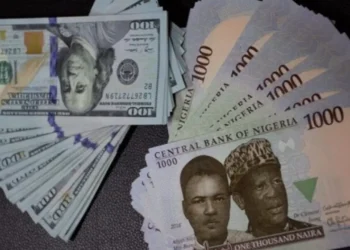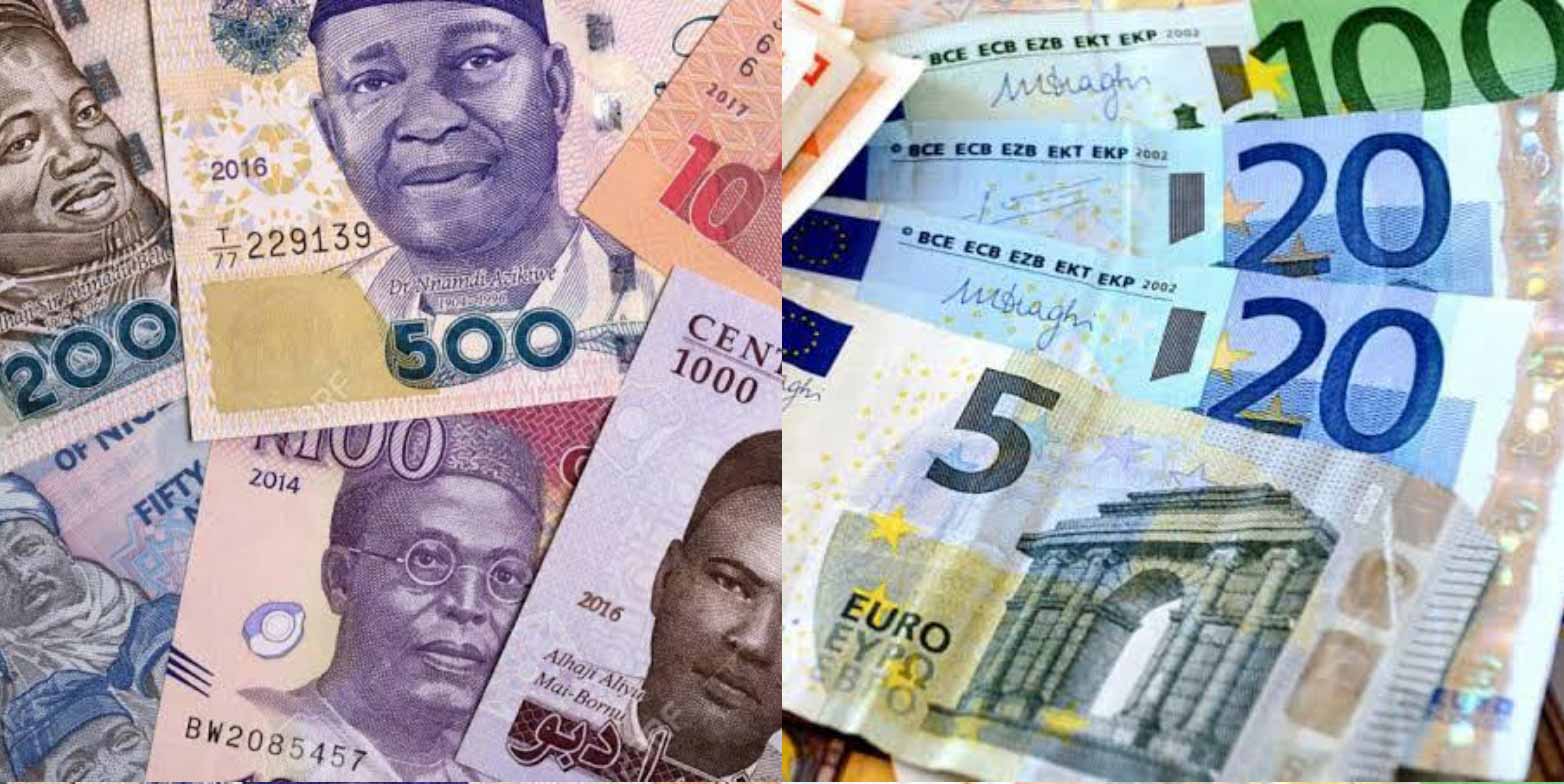
The Nigerian naira closed out last week largely unmoved against the euro, extending a run of tight, low-volatility trading that traces back to early July.
Central Bank of Nigeria (CBN) data put the local unit at roughly N1,576 to the euro, a modest slip from N1,573 the week before, barely a ripple compared to the currency’s wide swings earlier in the year.
Context matters here. Back in January, the naira was trading near N1,774 to the euro. Since then, it has clawed back significant ground, touching a multi-month high point of N1,555 in the process.
For a currency that has spent much of the past several years synonymous with volatility, the recent stretch bouncing in a narrow band between roughly N1,561 and N1,577 since the start of July marks a notable change in character.
Analysts trace much of that stability to a sustained wave of central bank intervention and liquidity support in the official forex market, paired with a series of structural and regulatory reforms rolled out in recent months aimed at deepening liquidity and reining in exchange-rate swings.
Among the most consequential changes:
- Higher upfront import payments. The required advance payment for imports of physical goods was raised from 15% to 30% of the shipment’s free-on-board (FOB) value, a move regulators say streamlines purchasing procedures even as it tightens working-capital conditions for importers.
- Simplified domiciliary account rules. Holders of self-funded domiciliary accounts are no longer required to complete “Form A” paperwork; balances can now move directly to their destination without the added administrative layer.
- Expanded personal and education allowances. Nigerians paying international school fees can now access up to $25,000 per semester, up from previous limits.
Meanwhile, Personal and Business Travel Allowance (PTA/BTA) disbursements have been restructured so that 25% is paid out in physical foreign-exchange cash, with the remaining 75% delivered electronically.
Taken together, the measures represent an attempt to formalize and broaden access to foreign exchange while easing pressure on the official window a strategy that, for now, appears to be paying dividends in the form of calmer spot-market pricing, even as Nigeria continues to grapple with structurally elevated inflation.
High domestic interest rates, economists note, have done much of the heavy lifting in keeping the currency anchored in the short term.
The naira’s stability against the euro has coincided with a broader lull in the single currency’s fortunes globally. The euro opened the new trading week on subdued footing, slipping below the $1.16 mark against the U.S. dollar in early European trading, pulling back from a recent high touched on June 17 in the aftermath of a soft U.S. jobs report.
That report rattled markets on its own terms. U.S. nonfarm payrolls contracted by 23,000 jobs in July, a sharp miss against consensus forecasts of an 80,000 gain.
The prior month’s already-soft reading was revised down further, from 57,000 to just 20,000. Wage growth cooled too, with annual earnings gains easing from 3.4% to 3.2%, even as the unemployment rate improbably edged down from 4.2% to 4.1%.
On paper, that combination of weakening payrolls alongside softer wage inflation undercuts the case for the Federal Reserve to keep rates elevated, a dynamic that would typically weigh on the dollar.
Expectations of monetary easing from the European Central Bank have simultaneously kept a lid on broad euro strength, leaving the single currency underperforming higher-yielding emerging-market peers.
Yet the dollar’s reaction has told a different story. Persistent anxiety over the security of the Strait of Hormuz has driven safe-haven flows back into the greenback, blunting what might otherwise have been a clear post-payrolls slide.
The U.S. Dollar Index extended gains against six major peers into the new week, a headwind that has left the euro-dollar pair struggling to build on Friday’s momentum.
The source of that anxiety: over the weekend, Iran signaled that talks with Oman over securing safe passage through the critical waterway were nearing agreement, but Tehran was quick to caution that any deal would not translate into an immediate reopening of full shipping activity.
Compounding the unease, Yemen’s Iran-aligned Houthi movement claimed responsibility for a missile strike on Saudi Arabia’s Jazan refinery, while a tanker flagged to the UAE’s Abu Dhabi National Oil Company was reportedly struck within the Strait itself.
The upshot is a risk premium that continues to hang over global markets, pressuring risk assets while pushing oil prices and by extension inflation expectations higher. That has fed speculation that policymakers may yet need to consider further rate hikes down the line, complicating what had looked like a straightforward disinflation narrative out of the U.S. labor market.
Traders, for now, appear reluctant to take strong directional positions on the euro-dollar pair, preferring to wait for clearer signals out of the Middle East before committing.
Attention this week turns to a pair of upcoming U.S. inflation readings, which are expected to shape the market’s read on the Fed’s next moves, with the trajectory of oil prices, still hostage to developments around Hormuz, likely to exert its own independent pull on the dollar in the meantime.
For Nigeria, the calculus is more straightforward, at least for now: as long as CBN intervention continues and the reform push holds, the naira looks positioned to keep its recent, hard-won stability against the euro even as the currency continues to navigate the broader inflationary pressures that continue to define the domestic economy.
WHAT YOU SHOULD KNOW
The naira’s recent stability against the euro isn’t luck; it’s the direct result of deliberate CBN intervention and reform, which is holding firm even as the euro and dollar get pushed around by Middle East tensions in the Strait of Hormuz.
The geopolitical risk premium is currently overriding weak US jobs data as the dominant force in global currency markets, and it’s what to watch this week, alongside incoming US inflation numbers, for where the dollar and, by extension, the naira’s external environment heads next.