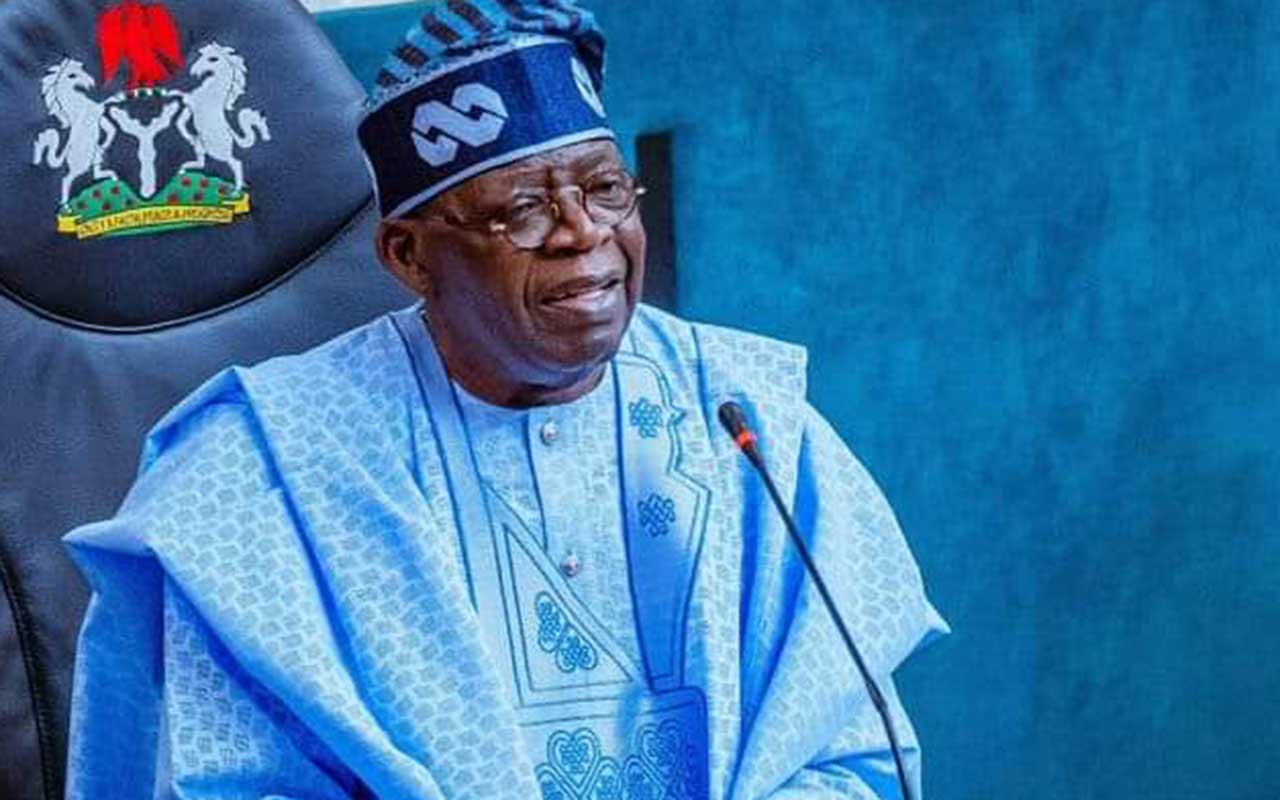
President Bola Ahmed Tinubu has confirmed that the Nigerian National Petroleum Company (NNPC) Limited will undergo further reform before being listed on the Nigerian Exchange (NGX), a move he framed as central to deepening investment opportunities and building wealth for ordinary Nigerians.
The disclosure came on Thursday when the president received the board and management of the Nigerian Exchange Group at the State House in Abuja. The delegation, led by NGX Group Chairman Dr. Umaru Kwairanga and Group Managing Director/CEO Temi Popoola, briefed Tinubu on the exchange’s dramatic turnaround since 2023.
According to figures presented at the meeting, the total value of stocks listed in Nigeria has grown from nearly N30 trillion when Tinubu took office in 2023 to N160 trillion today, with the NGX projecting that figure could climb to N230 trillion by the end of this year given current listing activity.
The All-Share Index has also surged, moving from roughly 52,000 points in 2023 to 244,000 points now.
Tinubu credited the rally directly to his administration’s economic stewardship, recounting that when asked what Nigeria was doing differently, he attributed the momentum to having “a president that is not only a politician but also a businessman.”
Speaking plainly at the meeting, the president stated that the NNPC “will be reformed and listed in the capital market,” according to multiple accounts of the engagement.
He went further, drawing an explicit comparison to Saudi Arabia’s state oil giant Aramco, reportedly telling attendees he wants to see NNPC reformed “to the extent that one day the totality of it… will be listed on the Exchange,” not merely selected units or subsidiaries.
That ambition aligns with a timeline NNPC’s own leadership has already sketched out. Group CEO Bayo Ojulari said last month that the company is targeting a stock exchange listing by 2028, describing the plan as part of transforming NNPC into “a limited liability company” with the backing of industry partners and pointing to what he called “considerable progress” in stabilizing the firm’s operating environment.
The NNPC pledge was framed as one piece of a larger strategy. Finance Minister and Coordinating Minister of the Economy Taiwo Oyedele told the gathering that Nigeria’s capital market is now “the best performing in the world” and one of the fastest routes to building wealth for millions of citizens, citing ongoing work with the Securities and Exchange Commission to draw more young investors into the market.
Tinubu also tied the reforms to a more sweeping national target: a $1 trillion economy, arguing that mobilizing private capital, rather than public spending alone, would be the decisive factor.
“If we can push the private sector to invest in the economy wisely, then we will grow,” he said, adding that the goal was achievable “given our population and the brilliance and audacity of our people.”
An NNPC listing would mark one of the most significant privatizations in Nigeria’s recent history, potentially opening shares in Africa’s largest oil producer to retail and institutional investors on the NGX.
If it proceeds along the lines Ojulari has outlined, the process would likely unfold gradually, with corporatization and governance reforms first, a public float by 2028 mirroring, on a smaller scale, the phased approach Saudi Arabia took with Aramco’s 2019 IPO.
Whether the timeline holds will depend on unresolved questions typical of state oil company listings: valuation, the scope of assets to be floated, subsidy and fuel-pricing reforms, and investor appetite given Nigeria’s history of delays on previous privatization pledges.
WHAT YOU SHOULD KNOW
President Tinubu has pledged that NNPC will be fully reformed and eventually listed on the Nigerian Exchange, not just parts of it, but “the totality” of the company, modeled loosely on Saudi Aramco. NNPC’s own CEO has already set a 2028 target for this.
It’s happening against the backdrop of a genuinely booming NGX (market cap up from N30tn to N160tn since 2023), which Tinubu is using as evidence that his economic reforms are working.
This is a stated intention with a rough timeline, not a done deal. Actual execution (valuation, subsidy reforms, governance overhaul) will determine whether it happens on schedule.