Nigeria and Canada appear to be edging closer to a long-awaited breakthrough on direct air travel between the two countries, even as diplomatic wrangling over immigration enforcement threatens to complicate the timeline.
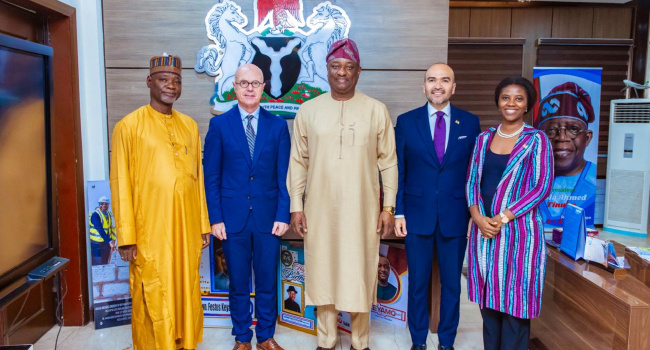
During a courtesy visit to the Ministry of Aviation and Aerospace Development in Abuja, Minister Festus Keyamo used the occasion to restate Nigeria’s readiness to deepen aviation ties with Ottawa, receiving a Canadian delegation led by Chargé d’Affaires David Sproule, along with Deputy High Commissioner Carlos Rojas-Arbulú and Trade Commissioner Funmike Sojinuga.
The visit, more than ceremonial, doubled as a working session on the mechanics of finally connecting the two countries by air, a route that, despite years of demand, has never had a direct link.
According to a statement issued by the minister’s media adviser, Tunde Moshood, discussions centered on building a framework for a formal Air Services Agreement, with Sproule confirming that a higher-level Canadian delegation would touch down in Nigeria in the first week of August to keep the momentum going.
But the path to direct flights, it turns out, runs through more than just aviation bureaucracy. Sproule used the meeting to press an issue that has quietly shadowed these talks for some time: Canada’s desire for a Standard Operating Procedure governing the identification and removal of Nigerians residing in Canada without legal status.
From Ottawa’s vantage point, this isn’t a side issue; it’s framed as one of the last real obstacles standing between the two countries and an approved direct route.
The Canadian envoy’s reasoning was straightforward: more flights mean more passengers, and more passengers, without a clear enforcement framework in place, could strain immigration and repatriation systems that are already under pressure.
Keyamo, for his part, didn’t shy away from the aviation case. He pointed to persistent, high passenger volumes between the two countries thousands of travelers each week currently forced to route through European or American hubs simply because no direct option exists as evidence that the market is more than ready for direct service.
He framed the push for new routes as part of a broader federal government agenda to widen connectivity, cut travel times, and deepen economic and social ties with international partners.
Where the minister drew a firmer line was on jurisdiction. He was candid in acknowledging that immigration and deportation matters simply don’t sit within his ministry’s constitutional mandate that responsibility belongs to the Ministry of Interior and other relevant agencies.
Still, he signalled willingness to broker the necessary inter-ministerial coordination, noting that if resolving the SOP question is the price of unlocking direct flights, his ministry would help ensure the right government bodies come to the table.
The two sides agreed to reconvene for further negotiations on August 6, 2026. Keyamo indicated he would not personally attend, citing prior commitments, but pledged that senior ministry officials would represent Nigeria’s interests and carry the discussions forward.
For now, the message from Abuja is one of cautious optimism: the aviation appetite is there, the diplomatic will appears present on both sides, but the finish line depends on how quickly and how smoothly Nigeria’s immigration and interior ministries can be pulled into a conversation that started, on paper, as a purely aviation matter.
WHAT YOU SHOULD KNOW
Nigeria and Canada are moving closer to launching direct flights, but the real sticking point isn’t aviation; it’s immigration. Canada wants a formal agreement on deporting Nigerians without legal status settled before it signs off on direct air links, and that decision now rests with Nigeria’s Interior Ministry, not Aviation.