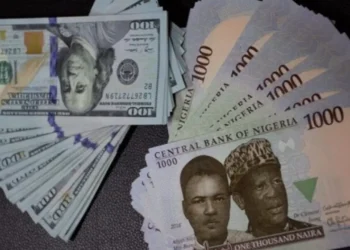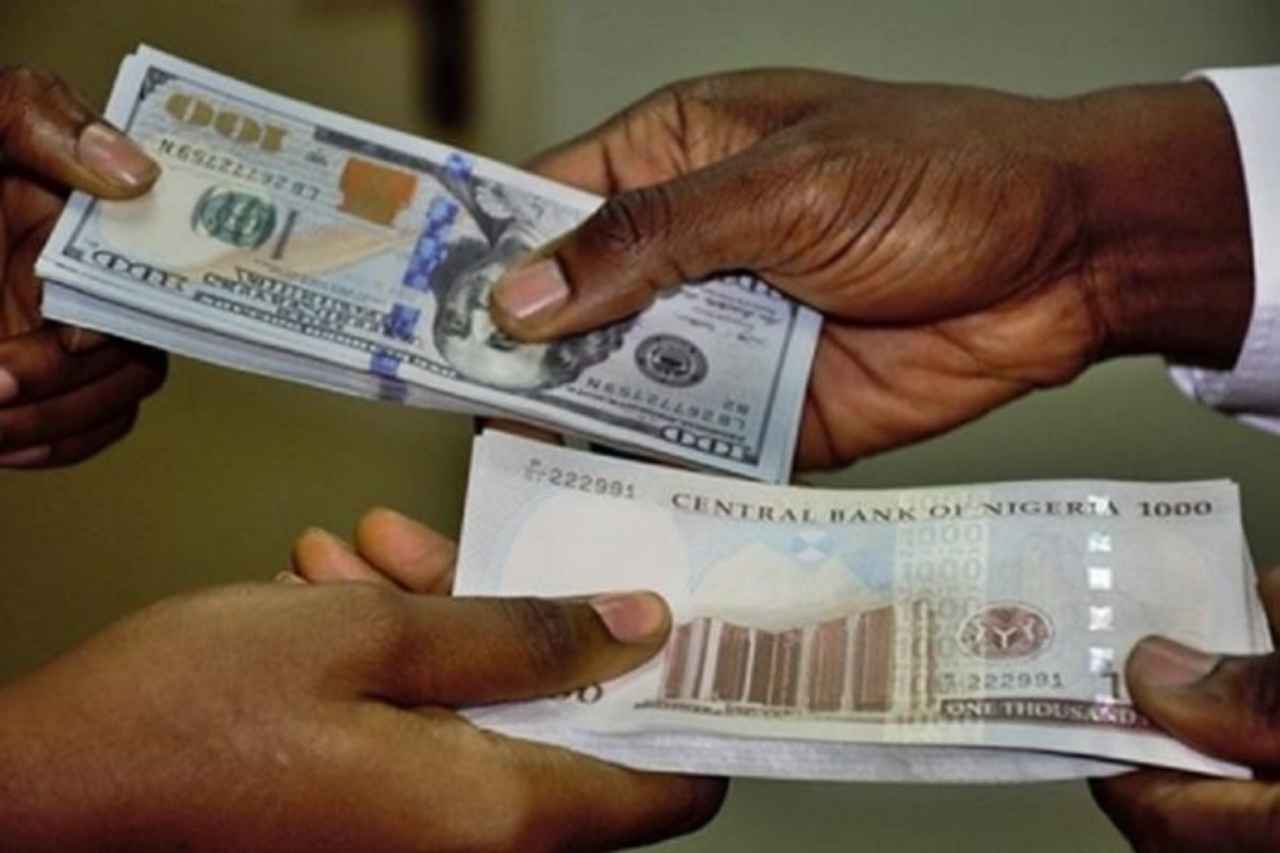
The naira closed the week on a relatively firm note, trading at ₦1,375.94 to the US dollar on the official Nigerian Foreign Exchange Market (NFEM), even as the parallel market continued to command a steep premium, with dealers quoting the greenback as high as ₦1,425 for sale.
Data from the NFEM, which uses a volume-weighted average to derive the official exchange rate for the day, showed Friday’s closing print of ₦1,375.94/$1, extending a pattern of relative calm that has characterized the official window through the week.
The rate marks only a modest movement from the ₦1,373.99/$1 recorded on Thursday, July 9, and the ₦1,371.4/$1 seen on Wednesday, suggesting the Central Bank of Nigeria’s (CBN) liquidity management measures continue to keep the formal market within a tight, predictable band even as pressure builds elsewhere in the system.
Away from the official window, the story remains more strained. Bureau de Change (BDC) operators and street dealers quoted the dollar at roughly ₦1,410 for buying and ₦1,425 for selling on Friday, a spread that has hovered stubbornly in the ₦1,400–₦1,425 range through the week, briefly touching ₦1,403 on Thursday amid what one report attributed to renewed inflationary pressure.
As is typical of Nigeria’s informal currency trade, rates varied by location, with dealers in commercial hubs such as Lagos and Abuja occasionally posting slightly different quotes depending on individual transaction volumes and client demand.
The CBN has repeatedly stressed that it does not recognize the parallel market as an official platform, urging businesses and individuals to route their foreign exchange needs through licensed banks and authorized dealers instead.
The roughly ₦40–50 spread between the NFEM and parallel rates underscores a persistent theme in Nigeria’s currency market this year: even with the official rate holding steady, a segment of demand, often from individuals and smaller businesses unable to secure dollars through formal channels, continues to migrate to the black market, sustaining the premium.
That gap has fluctuated over recent sessions, narrowing to as little as ₦21 earlier in the week before widening again past ₦30 amid bouts of thinner interbank turnover.
Analysts tracking the market point to a familiar set of variables that will shape the naira’s trajectory in the weeks ahead:
- Foreign currency inflows, including oil export receipts, diaspora remittances, and portfolio investment, remain the single biggest lever on liquidity.
- External reserves have provided some cushion, with Nigeria’s buffer reported to have climbed above $51 billion in recent weeks, giving the CBN room to intervene when needed.
- Import and manufacturing demand for dollars continues to represent a steady drag on liquidity, particularly for businesses reliant on imported raw materials and equipment.
- CBN policy and interbank turnover, which have swung session to session sharply, remain a key barometer of how much confidence and activity the official market is attracting relative to the parallel segment.
For now, the naira’s dual-track performance, steady in the formal market and softer and more volatile informally, reflects a foreign exchange system still working through the mechanics of unifying supply with genuine demand, even as the CBN’s reforms show signs of bedding in.
WHAT YOU SHOULD KNOW
The naira’s official rate held steady near ₦1,375.94/$ on July 10, 2026, but the real story is the persistent ₦40–50 gap with the parallel market, where dollars sold for up to ₦1,425.
That gap is the clearest sign that dollar demand still outpaces what the formal market can supply, and until foreign currency inflows (oil earnings, remittances, and investment) improve enough to close it, the naira’s stability on paper will keep masking real pressure underneath.