Grammy-nominated Afrobeats star David Adeleke, known globally as Davido, has firmly defended his decision to spotlight Nigeria’s kidnapping crisis on one of the world’s biggest stages, insisting that the safety of abducted children must always outweigh concerns over the country’s international image.
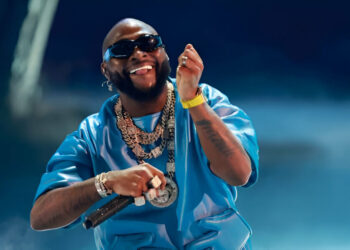
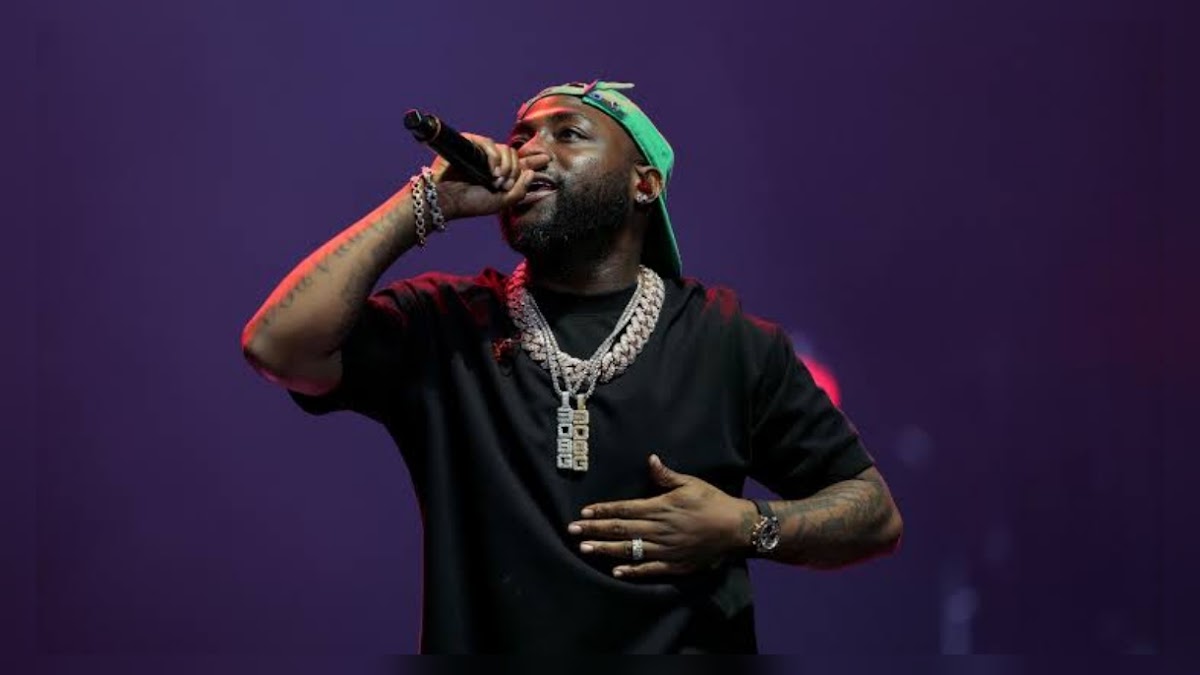
The controversy stems from his appearance at the FIFA World Cup 2026 Countdown Concert, held at Crypto.com Arena in Los Angeles on June 10, where the singer performed in a custom black leather jacket designed by stylist Hollyandroo.
The jacket bore the names of 39 abducted children and their seven teachers, pinned prominently across the front, while the back carried the bold inscription “Bring Them Home.” Davido performed his hit song “Fall” while continuing to flaunt the jacket throughout his set, ensuring the message stayed in view of the global audience.
The victims were abducted on May 15 from the Oriire Local Government Area of Oyo State, with some killed during the attack and others still held captive as authorities work to secure their release. The abduction occurred when armed attackers stormed Community High School in the Ahoro-Esinele community.
Speaking afterward in an interview with Focus on Africa host Waihiga Mwaura, shared on Sunday, Davido explained the reasoning behind his gesture, arguing that reputation management cannot come at the expense of children’s lives.
He said too many people avoid discussing Nigeria’s security failures out of a desire to protect the country’s image, a concern he considers misplaced when children remain missing.
While honored to perform on such a prestigious stage, he stressed that highlighting the crisis back home was just as important, framing his music and live performances as the platform through which he could bring global attention to the issue.
The gesture drew widespread praise on social media, with many Nigerians commending the singer for using his international reach to keep pressure on authorities to act. Before taking the stage, Davido had also addressed the crowd directly, offering prayers for the affected families and calling on the government to speed up rescue efforts.
However, the move was not without controversy. Kano-based singer Dauda Kahutu Rarara accused Davido of endangering the kidnapped victims by drawing international attention to a sensitive domestic security matter, describing the gesture as “crude” and questioning why he would give publicity to the attackers.
Rarara went further, alleging the abductions followed the arrest of suspected terrorists and that the kidnappers were using the children as leverage to force their release, arguing that ordinary members of the public, including Davido, lacked full knowledge of the situation before speaking out.
He also alleged, without providing evidence, that Davido’s actions were politically motivated, linked to his uncle’s election campaign under the Accord Party against the ruling APC.
Davido hit back sharply, dismissing the allegations as narrow-minded and arguing that anyone who truly loves Nigeria would not stay silent about insecurity or discourage others from raising concerns about it.
He responded to Rarara directly in Hausa, telling him that if he had a proper understanding of the matter, he would have engaged him seriously but instead dismissed him as speaking out of ignorance.
The public spat has since fuelled a broader debate in Nigeria over whether celebrities should use their fame to pressure government accountability, with critics warning that international exposure could complicate delicate security negotiations, while supporters argue that silence has historically failed to produce results.
WHAT YOU SHOULD KNOW
Davido used the world’s biggest sporting stage to force global attention onto Nigeria’s kidnapping crisis, wearing the names of 39 abducted children and seven teachers still missing since the May 15 Oyo State attack, rather than let concerns about “protecting the country’s image” silence the issue.
While his gesture drew praise for accountability advocacy, it also sparked backlash from critics who argue such exposure could complicate sensitive security negotiations.