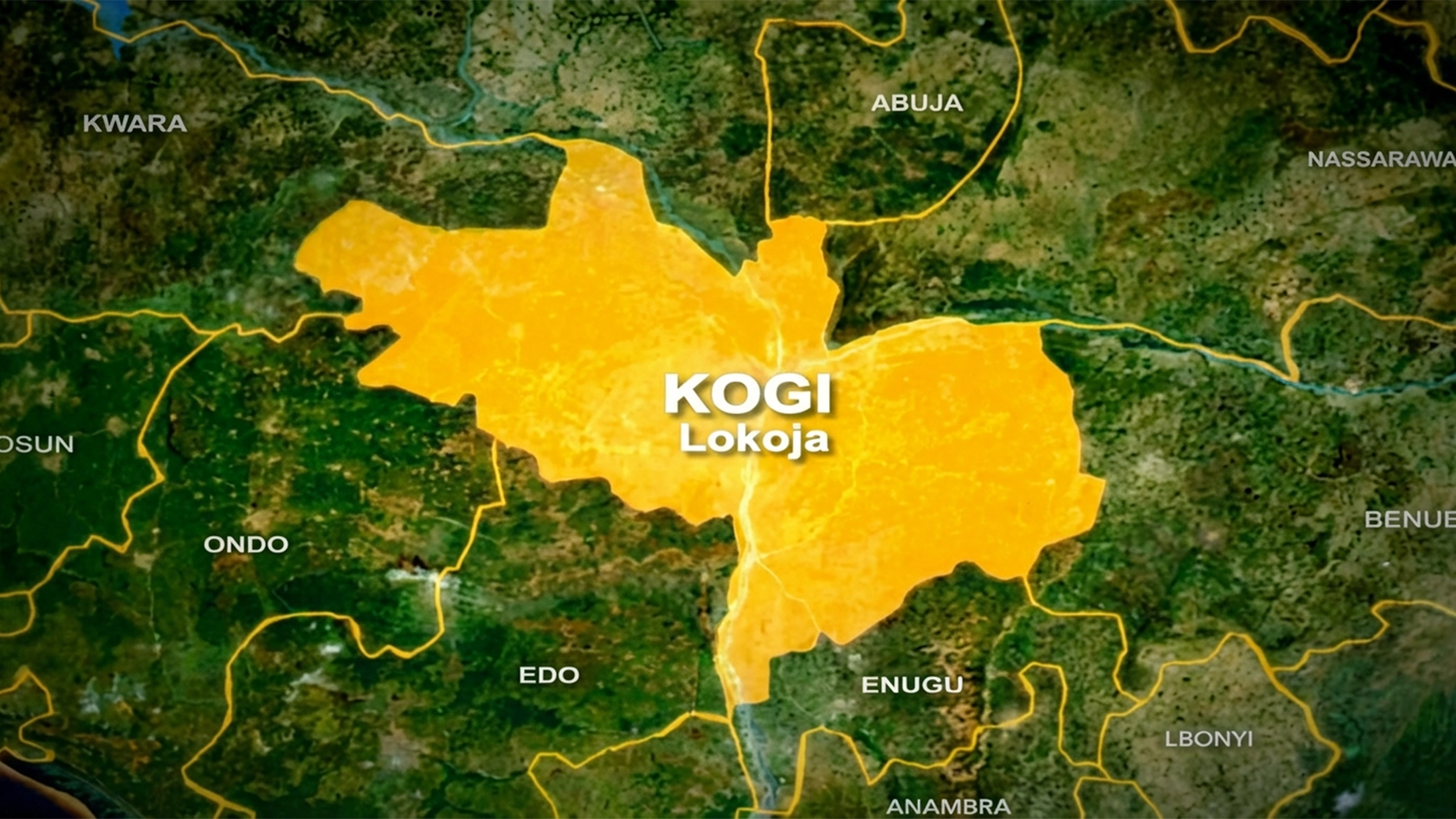
A suspected bandit attack on a government secondary school in Kogi State has killed three people, including a school administrator and a six-year-old child, in what authorities believe was a coordinated kidnapping operation.
The attack on Government Secondary School, Iluke Bunu, located in the Kabba/Bunu Local Government Area, unfolded shortly after 10:00 a.m. on Wednesday, a time when classrooms would have been full and children at their most vulnerable.
The brazenness of the assault has sent shockwaves through the region, raising urgent questions about the adequacy of security measures protecting schools and communities in Nigeria’s north-central corridor.
Eyewitnesses and security sources say the attackers arrived in overwhelming force, descending on the area aboard approximately 40 motorcycles, a chilling hallmark of the hit-and-run tactics increasingly favored by bandit groups operating across Nigeria’s Middle Belt.
Armed and apparently well-organized, the assailants appeared intent on abducting students and residents in what would have been yet another mass kidnapping to add to the country’s growing and deeply troubling catalogue.
Among the dead are a vice principal of the school, a pillar of the institution whose loss will be profoundly felt by staff and students alike, and a six-year-old boy, whose death has drawn particular anguish from residents and rights advocates.
The third victim was a 70-year-old whose identity had not been formally released at the time of this report. The killing of individuals ranging from a child to a septuagenarian underscores the indiscriminate and merciless nature of the assault.
The Kogi State Police Command, in a statement issued by its spokesperson, ASP Saliu Afusat, confirmed that the Divisional Police Officer of the Kabba ‘A’ Division moved swiftly upon receiving distress calls from the besieged community.
Within a short window, a joint security response was activated, drawing operatives from the division, the Police Mobile Force, and multiple tactical units. Military officers and local vigilante groups already operating in the area were also folded into the operation, presenting a united front against the marauding attackers.
What followed was a fierce exchange of gunfire between security operatives and the bandits. According to the command, the combined pressure of the joint response forced the attackers to abandon their apparent mission and flee into surrounding bushes, a retreat that, while offering some relief, leaves the threat far from neutralized.
“The combined security operatives engaged the hoodlums in a fierce gun duel, forcing the criminals to flee into the surrounding bush,” the statement read.
At least one of the attackers was killed during the gun battle. One member of the joint security team sustained gunshot injuries and is currently receiving medical treatment.
Despite the swift intervention, authorities have stopped short of declaring that a mass abduction was fully prevented. In carefully measured language, the command acknowledged that “preliminary findings indicate there is presently no conclusive evidence of a successful mass abduction of students or other residents,” while simultaneously stressing that investigations and ongoing assessments are continuing.
That cautious phrasing will do little to ease the anxiety of parents and guardians in the area, many of whom are haunted by memories of high-profile mass school abductions that have scarred the nation in recent years, from Chibok to Kagara to Kankara.
Until a full roll call of students and residents is confirmed, the shadow of uncertainty will loom large over this community.
The Kogi State Commissioner of Police has directed security operatives to sustain bush-combing operations and confidence-building patrols across the affected area. Joint security teams are continuing intensive pursuit operations to track down the fleeing suspects and prevent further attacks, the command confirmed.
Residents have been urged to remain calm, cooperate with security agencies, and provide any information that could assist ongoing investigations and operations. Authorities say further updates will be issued as the situation develops.
But for a community grappling with grief and fear, words of reassurance may ring hollow tonight. Three people, a school administrator who dedicated his life to education, a child who had barely begun his, and a 70-year-old elder, are dead. The bandits, for the most part, have melted back into the bush.
And until they are brought to justice, no school in Kogi State, perhaps no school in Nigeria, can feel entirely safe.
WHAT YOU SHOULD KNOW
A deadly bandit attack on Government Secondary School, Iluke Bunu, Kogi State, claimed three innocent lives, including a vice principal and a six-year-old child, in what was a brazen, large-scale kidnapping attempt that security forces managed to disrupt, though not without cost.
While authorities report no confirmed mass abduction, the chilling ease with which roughly 40 armed motorcyclists stormed a school in broad daylight exposes a dangerous and widening security vacuum in Nigeria’s Middle Belt.
Until government and security agencies move beyond reactive responses and commit to proactive, sustained protection of schools and communities, such attacks will not be an exception but a recurring tragedy.