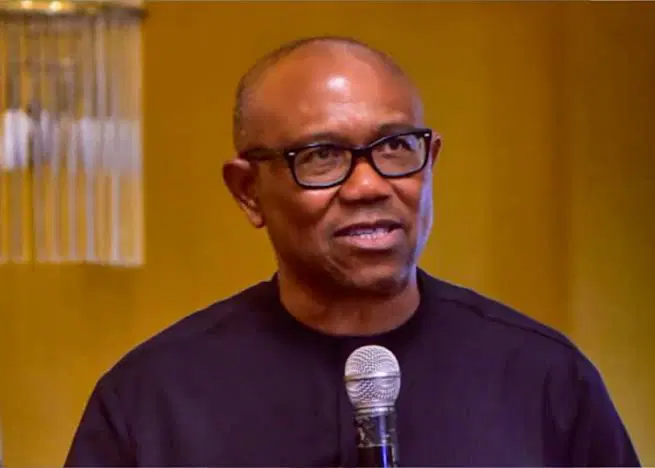
Former Labour Party presidential candidate Peter Obi has declared that he would prefer to serve only one term as president if elected, insisting that national stability is more important than personal political ambition.
Speaking during an interview with News Central TV in a video that has gone viral on social media, Obi said he would not remain in office beyond four years under any circumstance.
“I want to be a one-term president because of stability. I would not stay a day longer than four years… even with a gun to my head,” he said.
The former Anambra State governor said his position was driven by the need to promote political balance and national cohesion.
During the interview, Obi also criticised President Bola Ahmed Tinubu over his handling of insecurity across parts of the country.
He referenced recent attacks by armed groups and violent incidents in states including Benue State and Niger State, questioning why the president allegedly remained in Abuja while affected communities grappled with security crises.
According to Obi, leadership demands direct engagement with citizens, especially during moments of national distress.
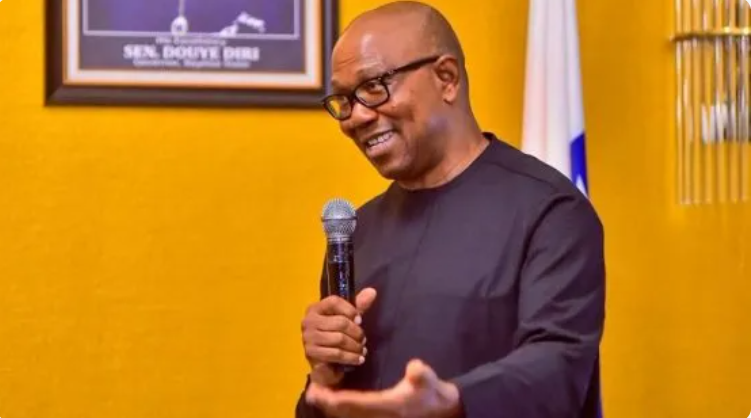
When asked what he would do differently if he were president, Obi said he would personally visit affected areas to assess the situation firsthand and provide support to victims.
He stressed that physical presence in times of crisis demonstrates empathy and allows leaders to better understand the realities confronting citizens.
Obi argued that effective leadership goes beyond issuing statements from the capital and requires visible action on the ground.
The comments have since generated widespread reactions online, with supporters praising his position while critics questioned the practicality of a self-imposed single-term presidency.
The statement is expected to further shape political conversations ahead of the 2027 general election, where Obi is widely seen as one of the major opposition figures.
What You Should Know
Peter Obi’s declaration of a willingness to serve only one term introduces a significant dimension to Nigeria’s evolving 2027 political discourse.
In Nigerian politics, presidential aspirants rarely publicly commit to limiting themselves to a single term, making the statement strategically notable. It could appeal to voters concerned about power rotation and political stability, particularly amid ongoing debates over zoning between the North and South.
However, such declarations often face scrutiny regarding constitutional implications and political feasibility.
The statement also reinforces Obi’s broader campaign narrative centred on reform, accountability and what he presents as people-focused leadership.