The Academic Staff Union of Universities has warned that Nigeria’s public university system could witness another wave of industrial unrest if the Federal Government and state governments fail to fully implement the December 2025 agreement reached with the union.
The warning was issued at the end of ASUU’s National Executive Council meeting held at Modibbo Adama University on May 9 and 10, 2026.
In a statement released on Monday by ASUU President, Chris Piwuna, the union expressed dissatisfaction with what it described as the “distorted and uncoordinated” implementation of the agreement signed with the Federal Government.
According to the statement, the union had maintained what it described as “a studied silence” since the agreement was publicly unveiled in January 2026.
ASUU explained that its decision to break silence followed a detailed review of the implementation process and unresolved concerns affecting lecturers across public universities.
The union stated that the momentum generated by the unveiling of the 2025 Federal Government-ASUU agreement on January 14, 2026, was rapidly fading.
It warned that the gains recorded through years of negotiation could be lost if government authorities fail to honour their commitments.
ASUU blamed the current situation on the failure to inaugurate the Implementation Monitoring Committee, which was expected to oversee the proper execution of the agreement.
The union alleged that federal and state authorities have implemented the agreement in an inconsistent and fragmented manner.
It noted that only a few state governments have complied with the agreed terms.
The union also accused administrators of federal universities of selectively implementing parts of the agreement, particularly provisions relating to Consolidated Academic Allowances, Earned Academic Allowances, and Professorial Allowances.
According to ASUU, these allowances were supposed to be fully integrated into the Consolidated Academic Salary Structure.
The union further criticised some state governments for allegedly refusing to implement the agreement despite participating in the negotiation process.
ASUU reaffirmed its determination to secure the full benefits of what it described as an eight-year negotiation process spanning 2017 to 2025.
The union also raised objections to the Federal Government’s proposed National Research Council and the Minister of Education’s planned National Research and Innovation Development Fund.
It argued that the proposal does not align with the provisions of the 2025 agreement, which recommends allocating at least one per cent of Nigeria’s Gross Domestic Product to research, innovation, and development.
ASUU questioned the proposed $500 million funding framework and expressed concern over the possibility of external borrowing.
On welfare issues, the union identified several unresolved matters, including salary arrears, promotion arrears, unremitted deductions, salary shortfalls under the Integrated Personnel and Payroll Information System, and withheld salaries linked to the 2022 strike.
It also criticised delays in pension payments for retired lecturers, particularly in state-owned universities.
The union accused the National Pension Commission of delaying pension benefit harmonisation.
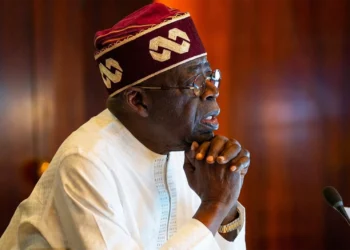
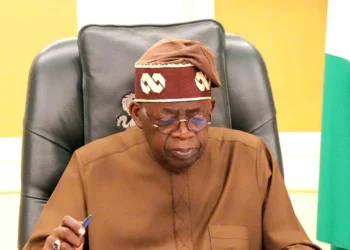
ASUU called on Bola Ahmed Tinubu to personally intervene and ensure that outstanding welfare concerns are addressed.
Beyond welfare matters, the union opposed the reversal of the mother-tongue policy in early childhood education, describing it as retrogressive.

It also rejected plans to establish a Nigerian campus of Coventry University under a transnational education arrangement, warning that such a move could weaken local tertiary institutions.
ASUU further criticised compulsory enrolment of academics into the Nigeria Education Repository Databank, arguing that it violates academic autonomy and data protection laws.
The union also faulted proposals to scrap certain university courses considered irrelevant, insisting that humanities and social sciences remain essential to national intellectual development.
Additionally, it raised concerns over alleged maladministration and questionable academic appointments within some universities.
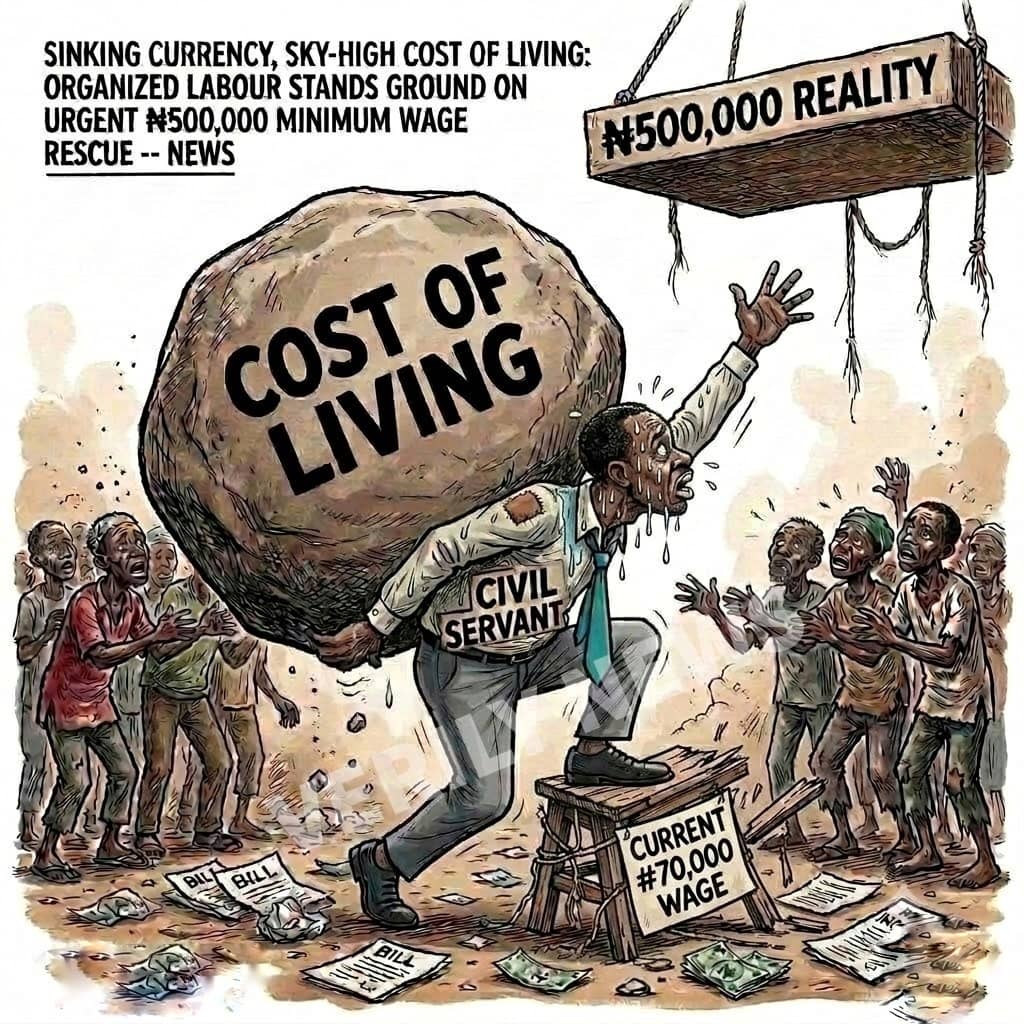
ASUU warned that worsening political tension, insecurity, and economic hardship ahead of the 2027 general elections could further destabilise the education sector.
The union stressed that continued neglect of lecturers’ welfare could trigger fresh industrial action.
It urged Nigerians to pressure governments at all levels to fully implement the agreement and resolve all outstanding issues.
ASUU disclosed that its National Executive Council would reconvene in the coming weeks to assess developments and determine its next line of action.
What You Should Know
ASUU’s warning is significant because industrial actions by the union have historically disrupted Nigeria’s academic calendar, affecting millions of students.
The 2025 agreement was expected to finally address years of disputes over salaries, allowances, research funding, and university autonomy. Failure to implement it could reopen old tensions and trigger another nationwide shutdown of public universities.
The union’s latest position signals growing frustration among lecturers and places fresh pressure on the Federal Government to act quickly.