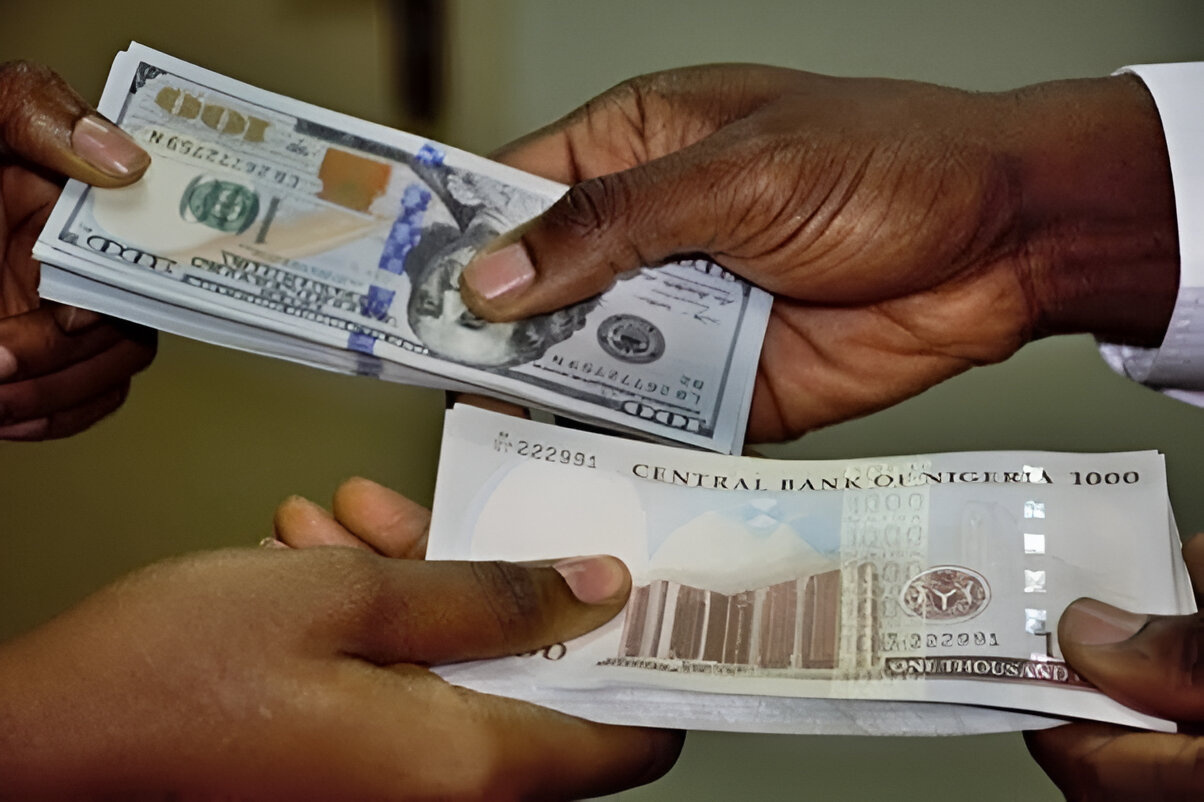
The naira held steady on the official foreign exchange market on Tuesday, with CBN data showing trading anchored around ₦1,374 per dollar, a rate that represents a level of stability analysts say would have seemed impossible just two years ago.
The official NFEM rate hovered around ₦1,374 per dollar, with trading bands ranging between approximately ₦1,362 and ₦1,378, a narrow spread that currency watchers say reflects the CBN’s continued presence in the market and its determination to limit excessive volatility in the formal banking window.
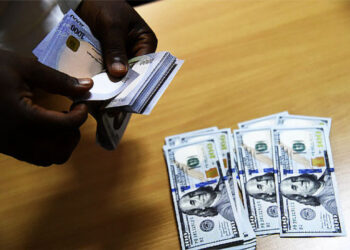
The figures stand in modest but telling contrast to the parallel market, where the black market rate sits around ₦1,393 buying and ₦1,398 selling per dollar, a gap that, while narrower than the yawning divide that characterized much of Nigeria’s recent forex turbulence, still underscores the unmet demand that continues to push traders outside the formal system.
For ordinary Nigerians, business owners scrambling for import dollars, students awaiting school fee remittances, and travelers stocking up on foreign currency, the official rate offers little immediate relief.
The spread between what banks offer and what the street demands remains a daily reality, and currency traders say the mood in dealing rooms has been anything but confident.
Market sources noted that sentiment has remained cautious amid ongoing demand pressure for foreign exchange from importers, travelers, and businesses seeking dollar supplies outside the banking system—a pressure that has persisted despite the CBN’s efforts to deepen liquidity in the official window.
The CBN adopted a “willing buyer, willing seller” model for trade transactions, unifying the foreign exchange market in 2023, a pivotal reform that led to the abolishment of FX market segmentation and collapsed previously existing segments into what is now known as the Nigerian foreign exchange market.
Analysts say the direction of the naira this week will be shaped by a confluence of forces, chief among them crude oil price movements, foreign reserve levels, and the CBN’s evolving monetary policy posture.
The CBN had projected reserves of $51.04 billion for the full year, a target that now appears within reach. The CBN said the external reserves are expected to be boosted by reduced pressure in the FX market, based on anticipated rises in oil earnings, sovereign bond issuance, and diaspora remittance inflows.
The Central Bank of Nigeria reduced the Monetary Policy Rate to 26.5%, signaling confidence that inflationary pressures are moderating, though Nigeria may struggle to fully capture the upside from crude prices above $100 per barrel.
Higher crude prices, while a fiscal boon, also transmit quickly into domestic fuel and logistics costs, potentially reigniting the very inflationary spiral that policymakers have spent the better part of two years trying to tame.
The naira is projected to exhibit moderate stability over 2026, with forecast ranges of ₦1,410–1,519 to the dollar, reflecting both improved reserves and sensitivity to crude oil price fluctuations. That range situates today’s ₦1,374 rate at the stronger end of projections, a point not lost on market participants.
Despite the CBN’s visible efforts, the parallel market remains a barometer of unmet demand. Due to limited forex supply through official channels and high demand, people continue to turn to the parallel market, driving up prices.
Nigeria’s economy depends heavily on crude oil exports, meaning lower oil prices reduce dollar inflow while low reserves limit the ability to stabilize the naira—leaving the currency perpetually vulnerable to external demand pressures.
Not all the signals are grim. The president of the Association of Bureaux De Change Operators of Nigeria (ABCON), Aminu Gwadabe, noted that the naira has remained stable across the market for several months, ending years of volatility.
That assessment, echoed quietly by traders and treasury officials alike, reflects a cautious but genuine shift in how Nigeria’s currency story is being told from crisis management to consolidation.
For now, the naira clings to that ₦1,374 line, neither surging nor collapsing, but navigating, day by day, the volatile intersection of global oil markets, domestic demand pressures, and a central bank still fighting hard to hold the line.
WHAT YOU SHOULD KNOW
The naira is holding relatively steady at ₦1,374 to the dollar, but don’t mistake stability for strength. The currency remains under persistent pressure from unmet dollar demand, with a visible gap between official and parallel market rates telling the real story on the street.
The CBN’s reforms are working; reserves are at a 13-year high, volatility has eased, and the formal market is functioning more transparently than it has in years. But Nigeria’s forex outlook remains hostage to crude oil prices.
Until Nigeria meaningfully diversifies its export base and closes the gap between dollar supply and demand in the formal banking system, today’s calm should be read as a managed pause, not a turning point.