The Nigerian Consulate General in Johannesburg has issued an urgent advisory to citizens following a fresh wave of anti-foreigner protests across parts of South Africa, with reports of violence, looting, and property destruction.
In a public notice dated April 22, 2026, the consulate confirmed that demonstrations had already occurred in cities such as East London (now referred to as KuGompo), Cape Town, Durban, and parts of KwaZulu-Natal, with some incidents turning violent.
According to the statement, clashes between protesters and foreign nationals have resulted in injuries, as well as widespread looting and destruction of businesses, particularly those owned by migrants.
The consulate warned that additional demonstrations are expected in Gauteng Province between April 27 and 29, urging Nigerians to remain vigilant and prioritise their safety.
“Nigerian nationals are advised to avoid engaging with demonstrators or confronting protest groups,” the notice stated, while encouraging citizens to closely monitor local developments and follow safety guidelines.
Business owners were specifically advised to take precautionary steps, including observing Freedom Day and considering temporary closure of businesses on April 28 and 29 due to the heightened risk of attacks on foreign-owned establishments.
“Nigerian business owners are strongly advised to strictly observe the public holiday of Freedom Day on 27th April, and also consider closing their shops/businesses on the other affected days – 28th and 29,” the statement warned, noting that foreign-owned businesses could become targets during the unrest.
While calling for calm, the consulate reassured Nigerians of continued support, stating it is engaging South African authorities to ensure adequate protection.
“Remain calm and law-abiding. We remain available to discharge all Consular services to our nationals. We will also engage the relevant Police authorities for the necessary protection of our people, while continuing to seek ways to restore peace through the appropriate diplomatic channels,” the statement added.
The latest developments reflect a recurring pattern of xenophobic tensions in South Africa, where foreign nationals have periodically faced hostility. The country, home to an estimated 2.4 million migrants, has witnessed major outbreaks of violence in the past.
Notably, the 2008 South Africa xenophobic attacks resulted in 62 deaths, hundreds of injuries, and the displacement of thousands, with immigrants from Zimbabwe, Mozambique, and Nigeria among the most affected.
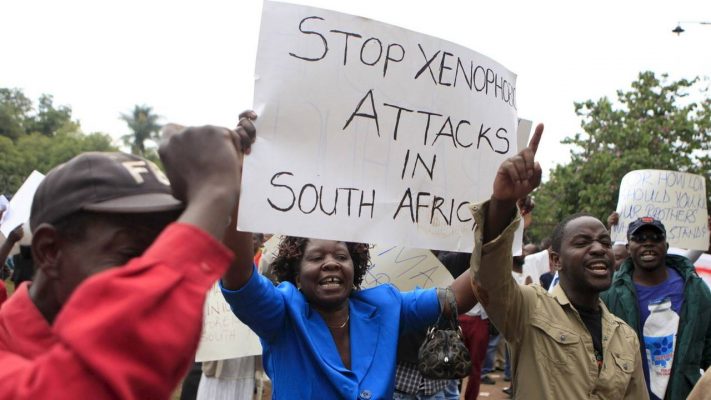
Subsequent waves of violence in 2015 and 2019 saw widespread looting and destruction of migrant-owned businesses, reinforcing fears among immigrant communities.
In recent years, organised anti-migrant groups such as Operation Dudula have intensified tensions through protests and campaigns aimed at removing undocumented migrants, often drawing criticism for targeting foreign nationals.
More recently, unrest in March 2026 in East London escalated after a protester alleged an attack by a foreigner, triggering retaliatory violence that led to damage of vehicles and shops.
The incident also coincided with tensions surrounding the installation of a Nigerian community leader in the city, further complicating the situation.
The advisory underscores growing concerns over the safety of Nigerians abroad, as authorities continue to monitor developments and engage in diplomatic efforts to prevent further escalation.
What you should know
The Nigerian government’s advisory highlights renewed fears of xenophobic violence in South Africa, where protests have once again turned hostile toward foreign nationals.
Nigerians have been urged to stay cautious, avoid protest areas, and temporarily shut businesses in high-risk zones. The situation reflects a long-standing pattern of anti-immigrant tensions driven by economic pressures and social grievances.
With planned protests in Gauteng, authorities are prioritising safety and diplomatic engagement.
The development also underscores the vulnerability of migrant communities and the recurring nature of such crises in South Africa.