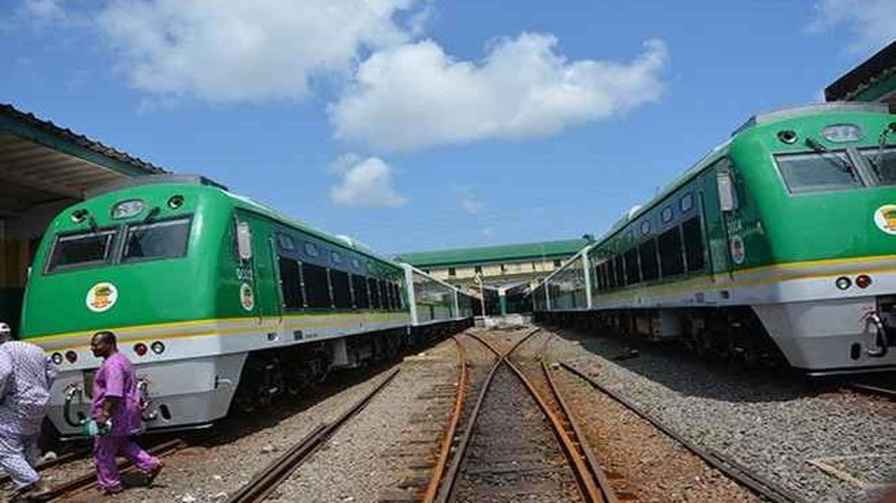
The Nigerian Railway Corporation has resumed operations on the Abuja–Kaduna rail line following Monday’s disruption that left 26 passengers injured.
Managing Director Kayode Opeifa confirmed the development on Wednesday, stating that normal services have been fully restored after swift intervention by the corporation.
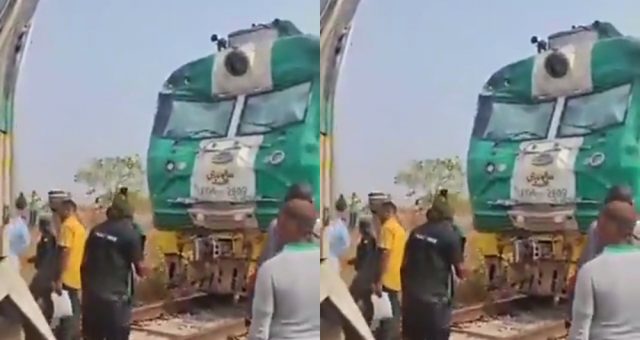
“Following the incident on Monday, 16th March 2026, normal train operations have been fully restored through the swift intervention of the Nigerian Railway Corporation,” he said.
He assured commuters that enhanced safety and operational measures have been introduced, adding, “Passengers can now confidently book tickets, as improved safety and operational measures have been implemented to ensure secure and comfortable journeys.”
The corporation also confirmed the successful resumption of the AKTS return trip from Rigasa, signalling a return to normal rail movement along the corridor connecting Abuja and Kaduna State.
The incident occurred at about 9:16 a.m. near Asham Station, involving train KA2, which had departed Rigasa and stopped at Jere before continuing its journey.
According to the NRC, after leaving Jere, an additional rear locomotive that had been attached became detached while the train was in motion. It rolled forward and struck the rear section of the train, hitting the power car and the last passenger coach.
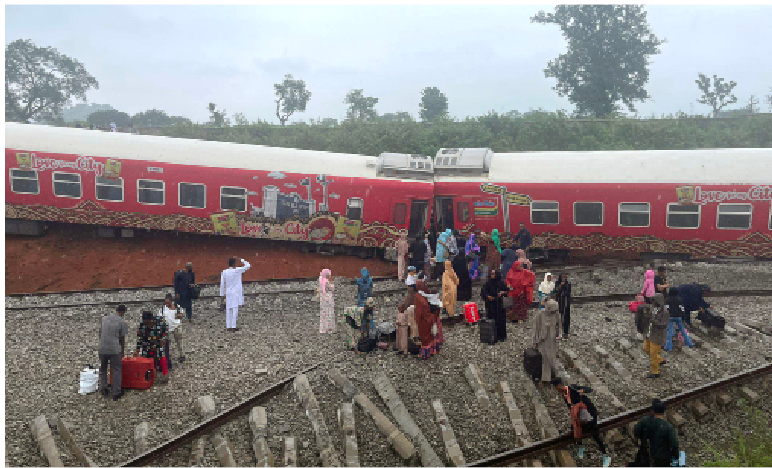
The corporation clarified that the incident was not a collision between two separate trains, as initially reported, but rather an internal mechanical failure involving the train’s own locomotive.
Opeifa noted that the quick response helped minimise disruption and reaffirmed the agency’s commitment to safety and service reliability. He also acknowledged the support of Ishaq Ibrahim Tanko during the resumption of services.
“Train services are back to normal—safer and better,” he added.
What you should know
The Abuja–Kaduna rail line is one of Nigeria’s busiest and most critical transport routes, widely used for safe and efficient travel between the capital and northern regions.
The quick restoration of services highlights the importance of the corridor to daily commuters and the economy.
While the incident raised safety concerns, the NRC’s response and introduction of improved measures aim to rebuild passenger confidence and ensure smoother operations going forward.