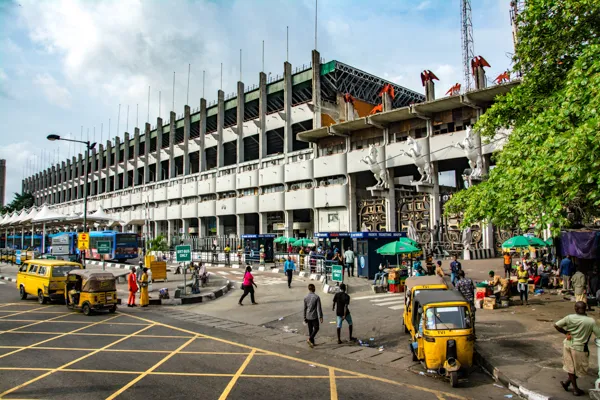
Commercial activities at the Lagos International Trade Fair Complex were disrupted after traders shut down the facility to protest a proposed plan that could transfer the management of the market to state and local government authorities.
The traders expressed concerns over the possible consequences of the arrangement, particularly the likelihood of new levies and taxes that could negatively affect their businesses.
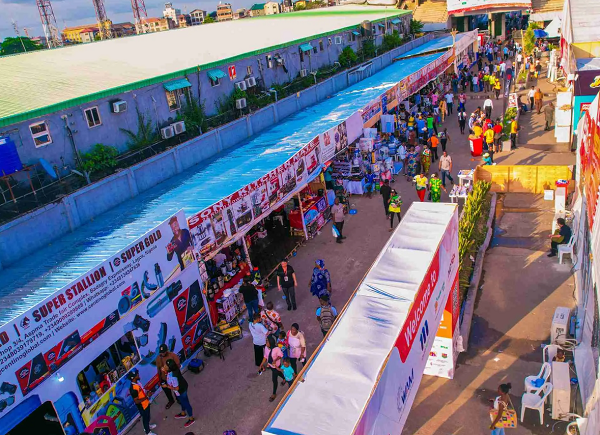
Many of them argued that the complex is a federal government facility and insisted that wider consultations should be carried out before any decision is made regarding changes to the current management structure.
The protest resulted in the closure of shops across the expansive market, with hundreds of traders gathering around parks and garages within the premises while discussions about the situation continued.
One of the sections affected by the shutdown was the ASPANDA Market, widely regarded as one of the largest spare parts markets in Lagos.
Eyewitnesses said the protest started early in the morning as traders deliberately locked up their shops and stalls to draw attention to their concerns over the proposed changes.
“We are not against development, but we are concerned about the possible levies and taxes that may be introduced if the management structure changes,” a trader who identified himself as Emeka Onu said.
Amid the growing tension, Nigeria’s Minister of Industry, Trade and Investment, Jumoke Oduwole, visited the complex as part of efforts to engage the traders and encourage them to reopen their shops.
Before beginning her tour of the facility, the minister appealed for the gates of the complex to be opened, explaining that her visit was intended to interact with stakeholders and help ensure that normal business activities resume smoothly.
What you should know
The Lagos International Trade Fair Complex is one of Nigeria’s largest commercial hubs, hosting thousands of traders across different sectors including spare parts, electronics and general merchandise.
Disputes over market administration and control have historically triggered tensions between traders, government authorities and market associations.
Concerns about new taxes, levies and regulatory oversight often drive resistance from traders whenever proposals emerge to restructure the management of such large commercial centres.